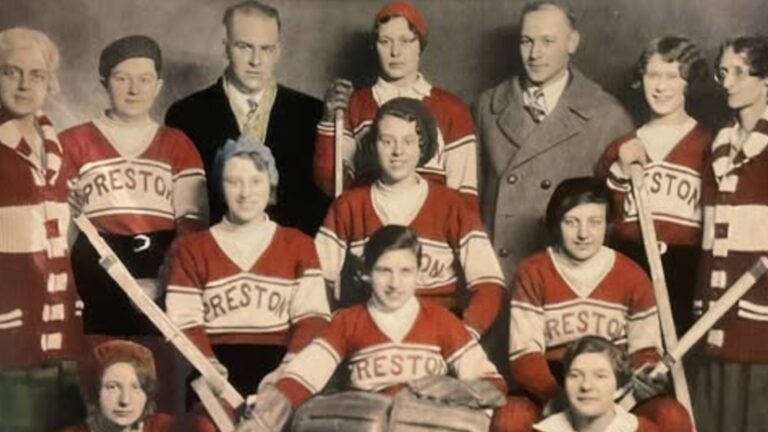

Image credit : @espnw via instagram
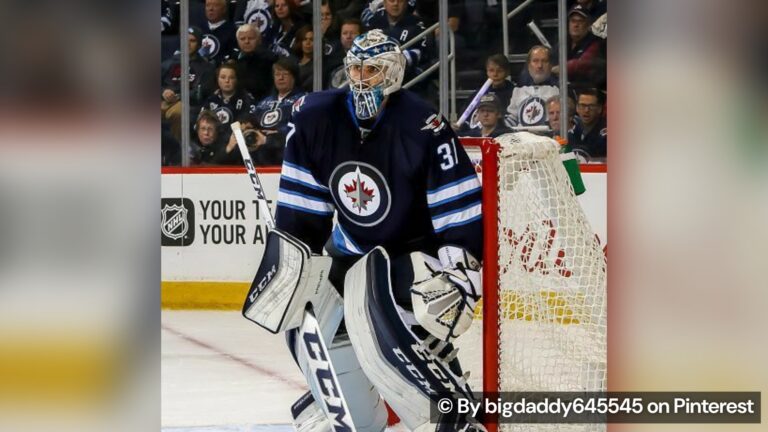
When fans see an NHL superstar hoist the Stanley Cup, or pull off a clean , high-danger transition thing at top speed, they’re basically staring at the high watermark of athletic capability. It can look bright , like the life of a modern hockey icon is all polish and insulation, cushioned by multi-million contracts, slick facilities, and that whole mass of admiration from millions of strangers.
But the plain structure underneath how you get there, and then stay there, is brutal. Reaching elite pro hockey takes this extreme amount of personal cutting back. Way before these players ever walk into some sold-out bright arena, they and their families have to sign onto a long term map of severe physical, emotional, and social renunciation.
The Early Erasure of Childhood and Geographic Displacement
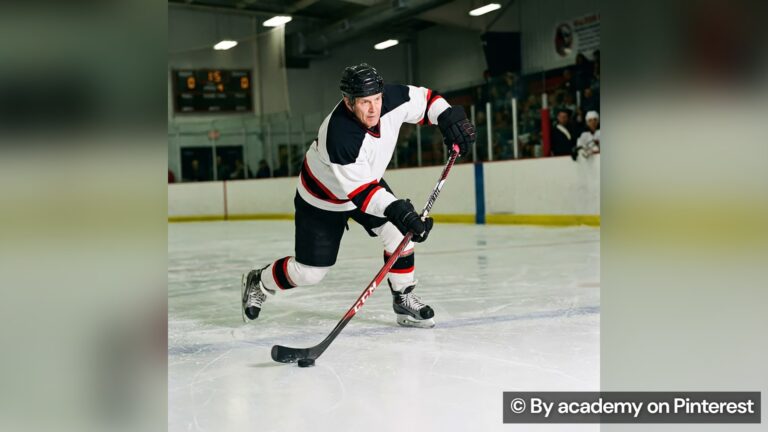
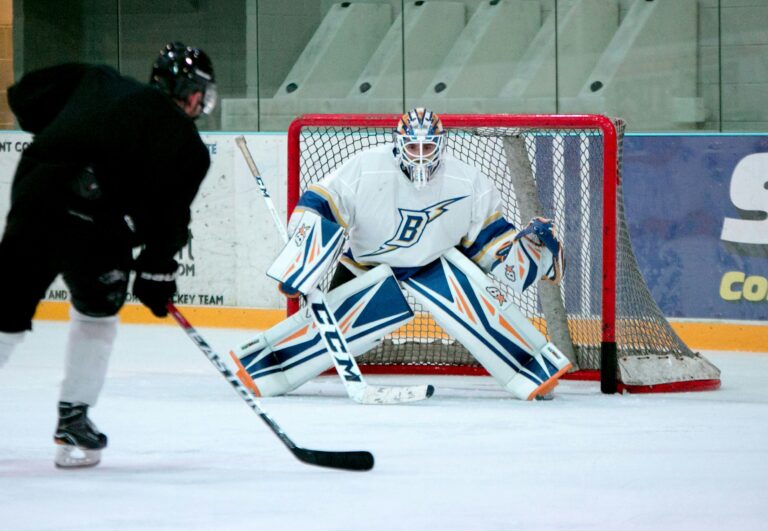
In most big sports, talent ramps up more during late adolescence, but hockey is different. For elite hockey the pipeline starts almost immediately, like very early infancy. Skating involves super specific coordination and neurological imprinting, so future stars are usually on the ice around age three or four, glued to a tight routine before they even hit elementary school.
And the family load hits fast. Parents often get stuck with relentless travel plans, expensive gear bills, and ice-time costs that quietly drain household budgets, like constantly draining with no pause.
Then when these prospects hit the early teen years , the sport pushes a serious relocation. In order to get noticed by top major junior or collegiate scouts, elite thirteen and fourteen year old prospects commonly leave home, moving across the country. They end up living with billet families in unfamiliar towns, and that’s not a small change.
That early move forces teenagers to deal with the social sorting of high school and ultra competitive locker rooms while being cut off from the people who normally ground them emotionally. Regular childhood stuff, birthday moments , school events , simple hanging out gets exchanged for one single high-risk, pro-oriented dream.
The Internal War Against Physical and Temporal Decay

Once a player finally survives the junior pipeline and earns an NHL roster spot, the sacrifice changes. It’s less about distance from home and more about this constant physical and time-based punishment. The brutal 82-game regular season, with continent-wide travel patterns and barely any real recovery time, piles up a huge cumulative hit on the body.
It’s not just “playing through pain” in a casual sense. Superstars often handle deeper issues like torn ligaments, micro fractures, structural separations by covering up sharp soft-tissue pain just to keep their spot in the lineup night after night.
To live in this environment you need an almost obsessive self control, year round, with no slack. Elite players start treating their bodies like precision calibrated assets for a corporation, dropping everyday comfort in favor of tight nutrition monitoring, punishing off season training, and strict sleep routines.
Every single day gets steered by sports science numbers, so spontaneity in family life is basically squeezed out, and disconnecting from the mental weight of organizational expectation becomes hard. Those shiny highlight clips people watch on television are basically purchased with the cost of chronic wear and tear , and with a lifetime of personal moments that happened behind closed doors, missed completely.”
About the Author