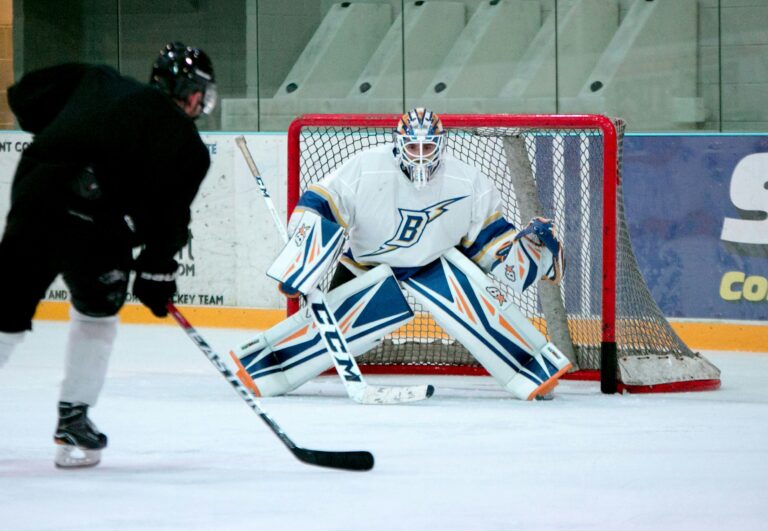
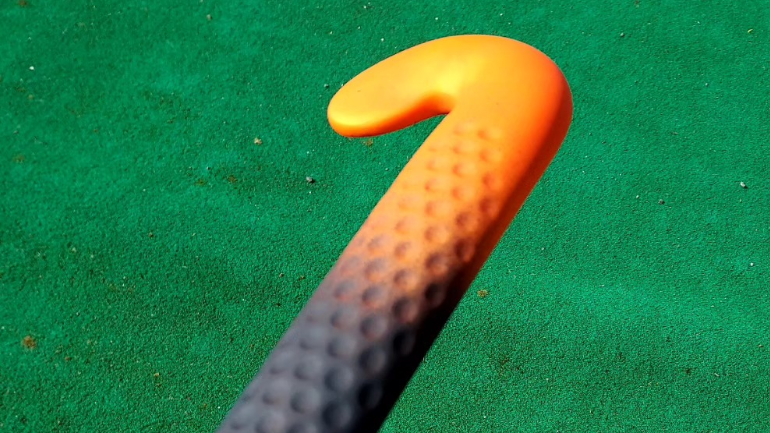
Image credit : @crownFH via facebook
Material science behind professional hockey has stepped into this wildly hyper-advanced structural engineering phase. For years, stick manufacturers were trapped inside a difficult manufacturing compromise. They had to balance the structural integrity required to survive violent slap shots with the lightweight composition needed for elite puck control and rapid stick-handling speed. That challenge shaped equipment development for decades. But now the entire balance has been shattered open because a new generation of specialized aerospace-grade carbon-fiber sticks is appearing everywhere, from retail shelves to professional arenas.
Using innovative multi-layered resin matrices plus specialized weave geometry, manufacturers have managed to reduce stick weights down to roughly the 330-gram range, which is an enormous shift for the sport’s equipment landscape. When these advanced tools are tested during live shooting drills, there is a noticeable change in how kinetic energy transfers through the shaft and blade system and that transfer efficiency alters the entire mechanical rhythm behind modern shooting techniques, particularly in high-pressure offensive situations where release timing matters more than raw strength.
The Mechanics of the Micro-Weave Kick Point
If you bring these advanced carbon-fiber sticks into high-velocity shooting sessions, the first thing players usually notice is the dramatic improvement in blade tracking and response speed. Older composite shafts often experienced subtle torsional twisting during heavy wrist shots or quick snapshots. Even a tiny amount of rotational instability could cause the blade face to open slightly, leaking shot accuracy without the player fully realizing it.
This new ultra-thin carbon weave dramatically reduces that instability. The taper section remains hyper-rigid during release motion, allowing the blade to stay square to the target throughout the shooting sequence. The result is cleaner directional control, especially during off-balance releases or tight-area scoring chances around the slot.
That rigidity also changes how stored energy moves through the shaft. During a quick-release snap shot, the carbon fibers compress and recover with extremely rapid snap-back timing. Since the stick itself handles more of the energy transfer process, players can generate elite-level puck velocity without requiring the same exaggerated lower-body loading patterns older sticks demanded. That efficiency becomes especially valuable late in games when fatigue starts affecting skating mechanics and shooting posture.
Another major difference appears during puck handling under pressure. Because the stick reacts faster to hand movement, skilled forwards can transition between forehand and backhand positioning with much less delay. In crowded offensive-zone traffic, where reaction windows disappear almost instantly, that responsiveness creates additional scoring opportunities that older equipment sometimes slowed down.
The Durable Balance of Specialized Resin Systems
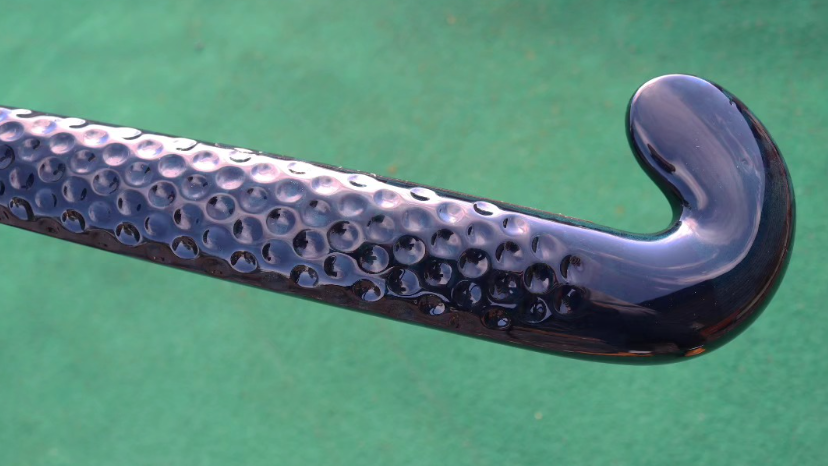
Historically, the biggest weakness with ultra-light sticks was durability. Sub-350-gram builds often developed hidden micro-fractures after repeated board contact, heavy slash pressure, or blocked shots. That structural fatigue shortened product lifespan dramatically, creating problems for both professional organizations and retail consumers.
Manufacturers attempted to solve this issue by engineering advanced impact-resistant resin systems directly into the carbon layering process. Instead of relying purely on lightweight construction, the new builds distribute stress more evenly throughout the shaft and blade connection points. Testing against repeated impact simulations has shown noticeable improvements in long-term structural stability compared to earlier lightweight generations.
What stands out even more is the balance and vibration dampening profile. Despite the featherweight design, the stick does not feel hollow or unstable in the hands and instead, it produces a controlled puck sensation that gives players sharper tactile feedback during pass receptions and shot releases. That feedback becomes extremely important during fast transition sequences where players must react instantly while processing defensive pressure.
Professional shooters have also noted that the blade stiffness allows for cleaner one-timer execution from difficult angles. Since less energy is lost during impact, puck trajectory remains more consistent across repeated attempts and defensive players benefit too, especially when attempting long outlet passes or clearing attempts under aggressive forechecking pressure.
By combining elite durability with lightweight performance, modern carbon-fiber stick technology represents a genuine evolutionary leap for hockey equipment design and the entire relationship between shooting mechanics, puck feel and structural efficiency is being rewritten in real time; as manufacturers continue experimenting with resin chemistry, carbon layering patterns and smart material integration, the next generation of sticks could push performance ceilings even further, reshaping the future mechanics of professional hockey itself.
About the Author