Image credit : @ron-lach via pexels.com
When the final handshake line ends and the locker room doors shut for the last time, there’s this immediate, suffocating silence that falls on a defeated hockey team and for months, players have been living inside a hyper-structured, high-cortisol survival system, where each single awake minute gets swallowed by tactical tracking, physical upkeep, and that collective chase of a championship. So when that intense operating pace gets chopped off, suddenly, by a playoff elimination, it hits like a physical and psychological shock, right to the system and all at once.
Getting through the emotional aftermath of a brutal season defeat takes way more than just “moving on.” For top-tier athletes, the shift into summer is a carefully measured decompression plan, physical rebuilding, plus deliberate mental shielding, not just rest and vibes.
The Elimination Of Immediate Roster Post-Mortems
The first forty-eight hours after a season-ending loss are designed, very specifically, to reduce emotional spillover. Management and coaching staff intentionally steer away from heavy tactical debriefs, or any structural roster evaluations. In that early window when adrenaline is still doing backflips, and the trauma of the loss is still loud in the room, digging into tracking metrics, or tossing around future contract assignments, turns into a sure way to create counterproductive tension.
Instead, teams push a period of complete systemic detachment. Players are encouraged to walk away from the rink entirely, retreat into their immediate family spaces, and let their own corporate stress levels normalize. This boundary matters because it stops outcome-based tracking from turning into long-term psychological paralysis. So later, when exit interviews finally arrive, they’re handled with rational data, not raw post game frustration that’s still boiling.
The Transition From Performance Into Physical Reconstruction
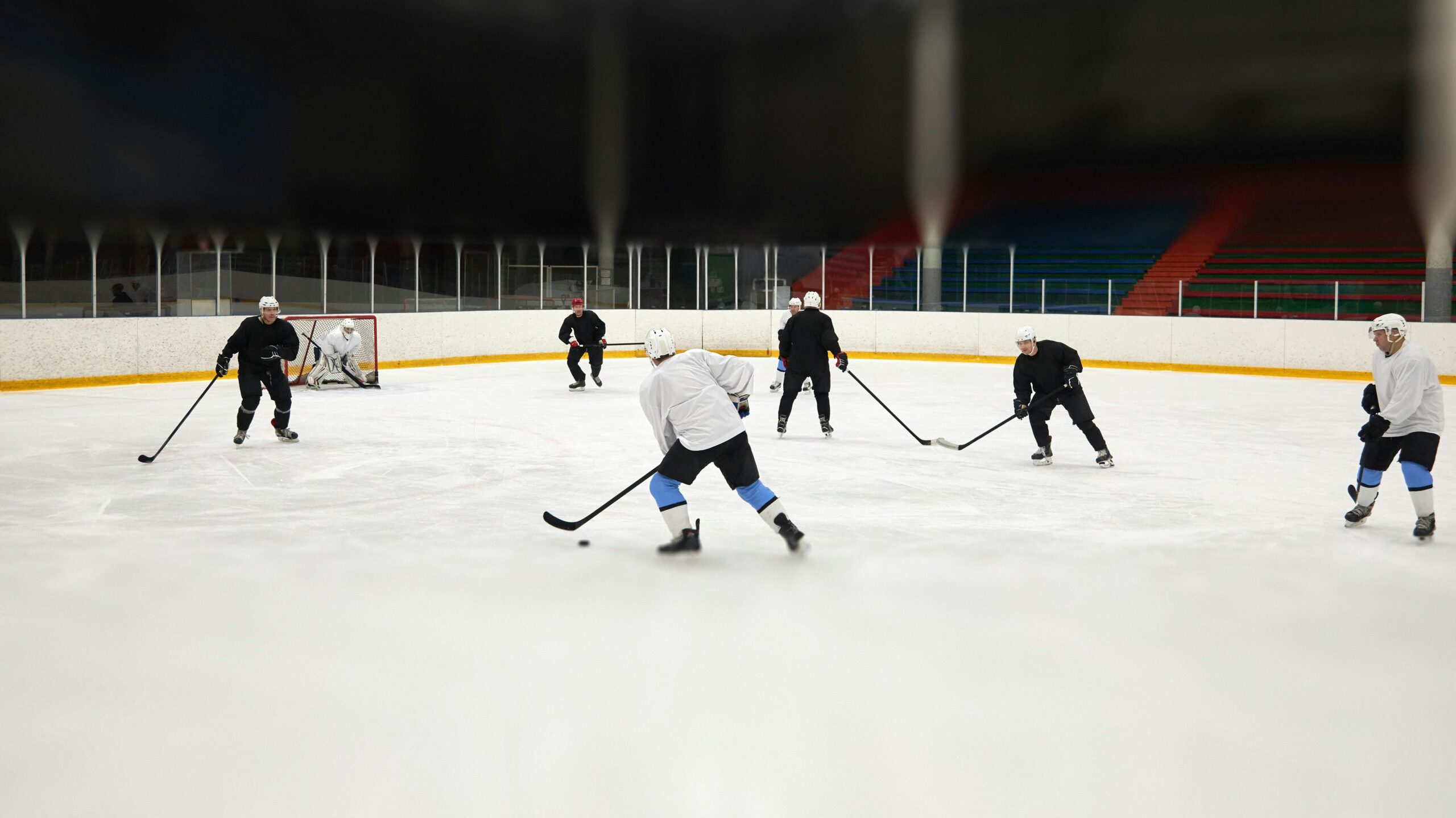
On the physiological side, an elite hockey player after a deep postseason run is a patchwork of micro-traumas and injuries that are hiding in plain sight. All spring long, the body gets forced into extreme metabolic shortages, and players often lean on pain-management protocols so they can keep skating through structural joint damage, deep bone bruises, and soft-tissue tears. The moment elimination lands, the medical staff grabs the wheel and rebuilds the organizational blueprint from there.
The early offseason phase removes all high-velocity skating, plus the heavier resistance sessions. Recovery gets reworked around low-impact, anti-inflammatory routines things like hyperbaric oxygen therapy, targeted mobility work and complete nervous system resets. And before a player even starts imagining back-to-summer strength conditioning cycles- they have to let their physiological baseline truly heal, treating that first month like a non-negotiable medical rehabilitation window, no shortcuts.
The Conversion Of Loss Into Tactical Fuel
Once the physical trauma has cooled off and the emotional weight has leveled out, the final piece of the recovery cycle is turning the defeat into something constructive, process-driven, and checklist shaped. Elite players don’t fully erase the memory of the loss; instead, they isolate the film carefully. They pull apart the specific structural mistakes, the defensive breakdowns, or the conditioning failures that actually steered the outcome.
That deliberate re-evaluation reshapes summer training settings completely. A heartbreaking exit becomes a foundational blueprint for how an athlete evolves during the offseason changing things from skating stride calibration to situational edge-work tracking. And by steering attention away from the unchangeable reality of the final scoreboard, and into tangible, self-directed mechanical improvements, players manage to turn a deflating ending into the push, the fuel, for next winter’s redemption run.
About the Author