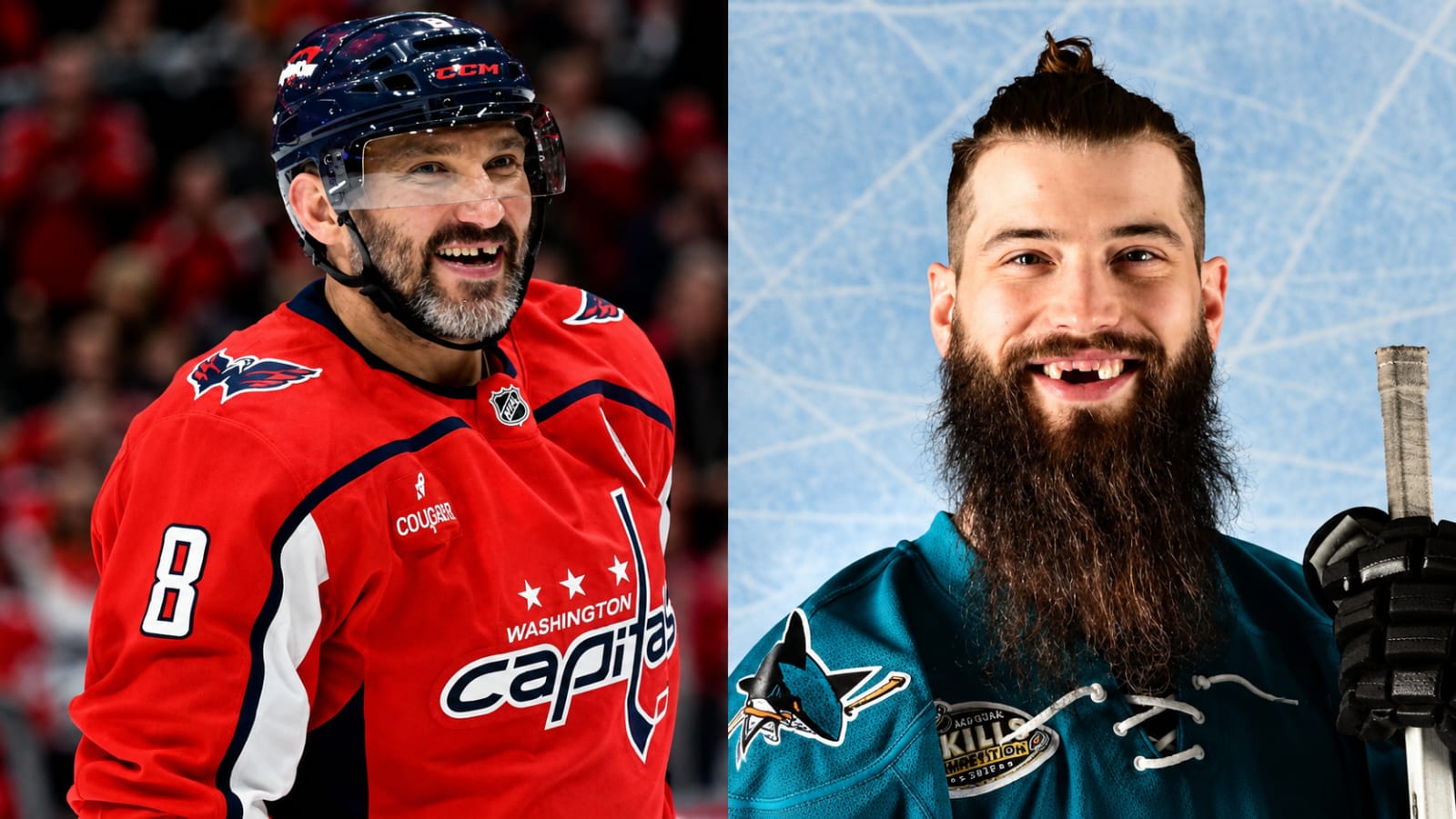
Image credit : @nhl and @lnh_fr via instagram
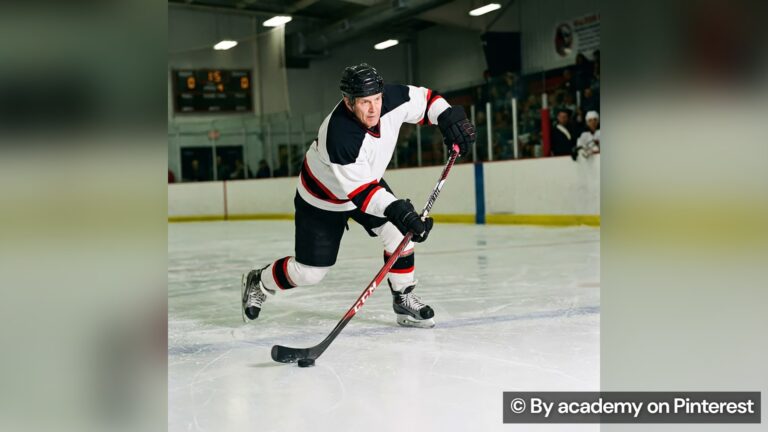
There was a point in pro hockey where turning 35 meant the end, you could almost set a clock by it. The sport itself is, brutal fast collisions, constant sprinting, and that long 82-game slog. So for a while it felt like older guys either accepted smaller roles, or they slid into early retirement pretty fast. But in the modern hockey world, it really doesn’t play by that old script anymore.
You still see stars like Alex Ovechkin and Brent Burns putting together top level shifts at 40, which smashes the usual “decline is inevitable” storyline. And this extra time on ice isn’t some lucky freak situation either, it’s more like a shift in routine. Veterans are thinking about their bodies differently, training differently, and even how they execute during games is more dialed in than before.
Re-Engineering the Frame: Shedding Mass for Speed
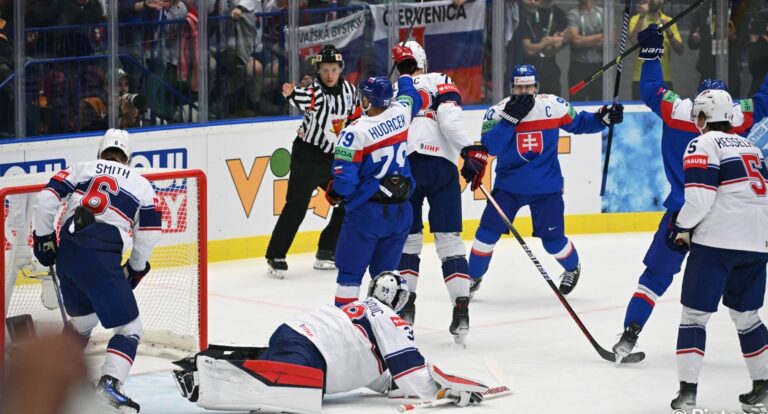
The modern game is hyper-quick and constantly flipping between offense and defense. Coaches and teams expect everyone to accelerate, then reaccelerate, then do it again. So to not get left behind by 20 year-old rookies who never seem tired, veteran players are adjusting their builds. Instead of stacking heavy mass just to survive the bruising battles along the boards, they often aim to lean out and dropping around 10-15 pounds of heavy bulk lowers the strain on knees and ankles, and that helps older skaters keep their top-end pace longer. It also helps with that cardiovascular burn during those brutal, long shifts.
High-Efficiency Training and Joint Preservation
Those summer days where someone says “pump iron until you fail” are mostly gone and for the over-35 group, the whole off-season is about keeping joints happy, improving mobility, and strengthening core stability.
Less gym volume during the season: veterans will cut down workout volume a lot, while still lifting weights. They might go with 2-3 sets of heavy compound moves, instead of endless high rep stuff that grinds people down. The idea is to hold onto power, not wreck recovery.
Low impact cardio swaps: long distance running has been replaced by pool resistance work, rowing, and cycling. It builds aerobic capacity without hammering hips and lower backs over and over like hard pavement does.
Precision Nutrition and Inflammatory Management
To actually keep playing after 35, diet can’t be “right” anymore. Recovery tends to slow down, so inflammation management becomes a big deal. These days, thick processed meals and huge steaks are getting traded for tailored plans with macro math done ahead of time omega-3 fats, lean proteins, and complex carbohydrates. If veterans manage what they eat around practices and games, they often reduce systemic inflammation, and then muscles and connective tissue can repair more smoothly, and faster.
Relying on Spatial Efficiency Over Raw Energy
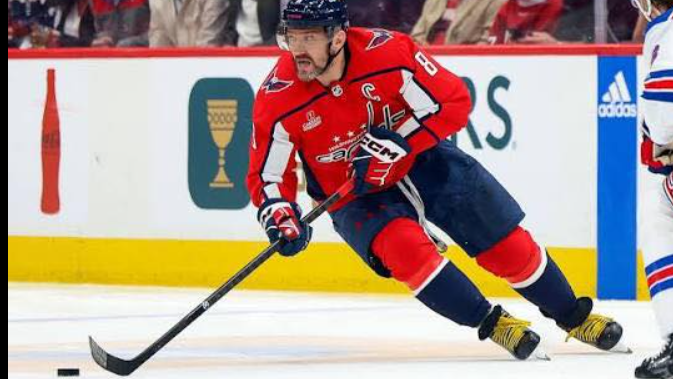
Eventually speed and pure explosiveness flatten a bit, and that’s when elite veterans lean on experience. They get really good at “spatial efficiency,” meaning they read the whole play a couple steps in advance so they don’t waste movement. With smarter positioning, fewer wasted strides, and passes that are clean and surgical, a veteran can slow down a younger player’s advantage without needing to match raw pace blow for blow.
The professional standard: longevity in today’s hockey isn’t about seeing how much damage a person can tolerate. The players thriving past 35 are running their recovery, training, and nutrition like a careful full time operation, one that never gets shrugged off.
About the Author