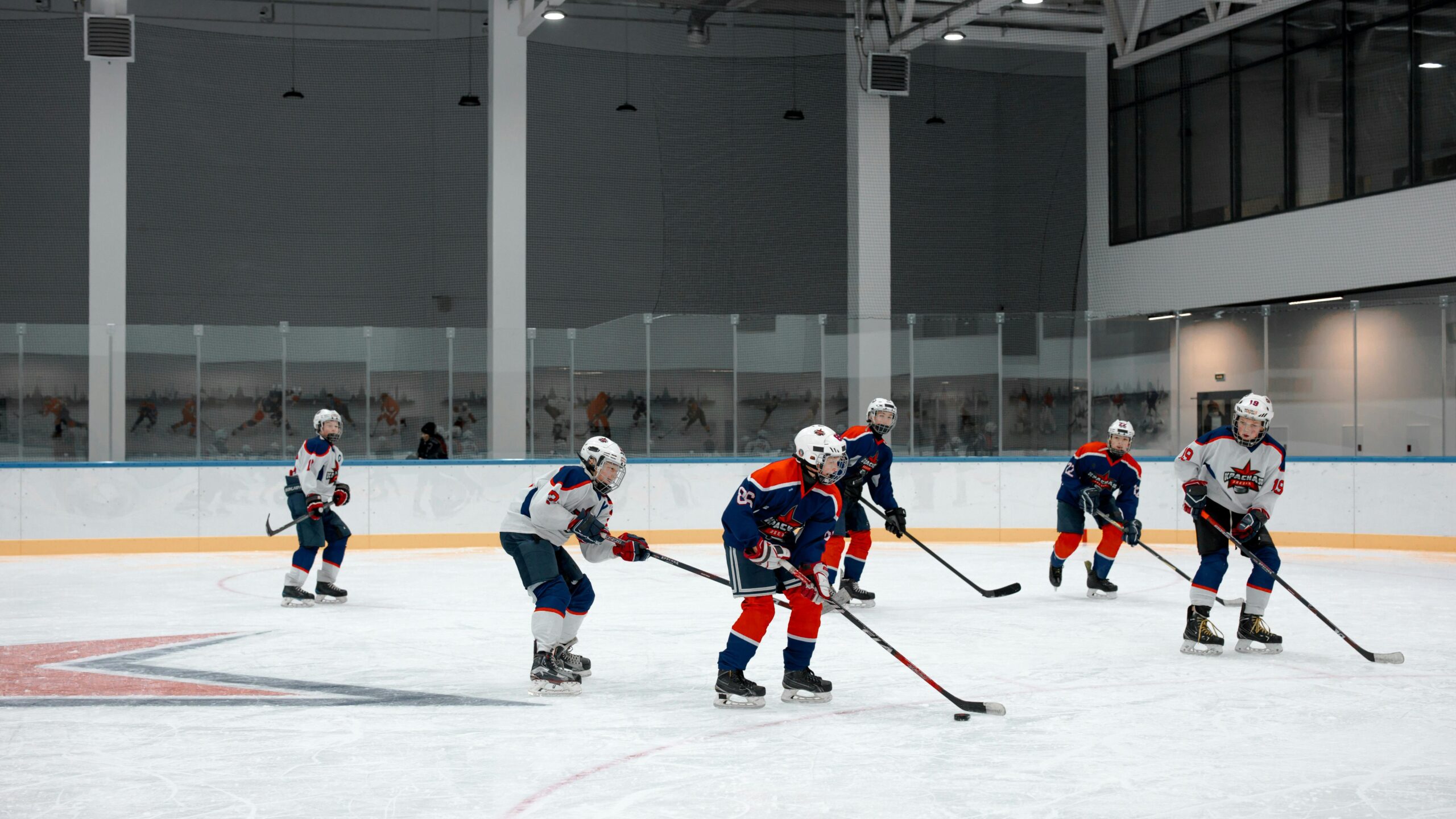
Image credit : @ron-lach via pexels.com
The road to hockey’s highest level isn’t just built by the big-name pro organizations anymore. Sure the NHL is still the main spotlight, but a lot of the modern developmental engine is actually running through junior and minor leagues that are designed to get players ready for the pro game.
When you look at how these leagues schedule things, develop players, and track progression it gets easier to see why they keep producing NHL-ready talent faster, and with more efficiency.
The Major Junior System And Pro Style Development
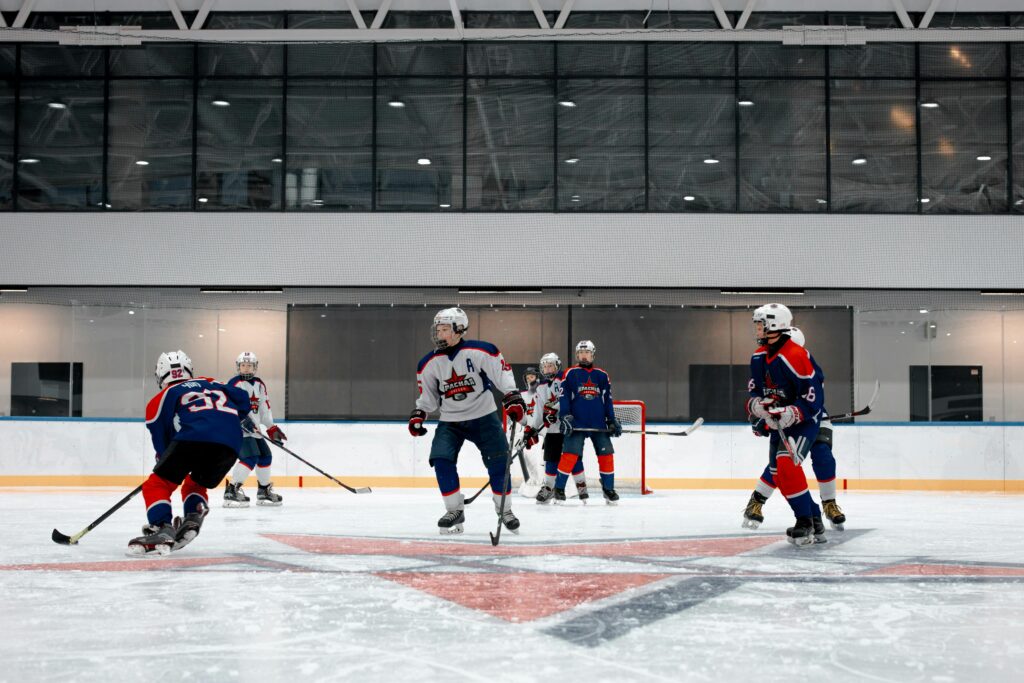
When it comes to producing NHL talent; the Canadian Hockey League (CHL) which oversees- the Western Hockey League (WHL), Ontario Hockey League (OHL) and Quebec Maritimes Junior Hockey League (QMJHL) remains one of hockey’s most influential development pipelines and even though it’s technically amateur, many CHL teams run like they’re training for- the NHL. Players face long stretches of travel, lots of multi-game weeks, organized coaching programs, and a pressure-filled environment that is basically meant to translate into the next tier.
Over the years, the CHL has kept feeding the NHL with a huge share of players and draft picks. NHL rosters routinely include hundreds of former CHL skaters, and NHL Central Scouting lists tend to feature plenty of prospects who came up through those three major junior paths. Because young players get used to pro-like demands early, the move into professional hockey can feel smoother- both in the body and in the mind.
The Ahl As The Last Stepping-Stone
If junior hockey is the main spotlight for finding elite potential- the American Hockey League (AHL) often acts as the final tuning stage before the NHL.
More and more, NHL clubs lean on the AHL to tighten up prospects before they get real full-time minutes in the league. Instead of sending players straight into top-tier competition, teams typically give them a more controlled setting where learning still matters, but results pressure is a bit different than the NHL grind.
In the AHL, younger athletes can get meaningful ice time, learn within tactical systems that resemble what they’ll see later, and adjust to the speed and physicality of pro hockey without every game turning into a do-or-die standings situation.
That’s the space where skating details, defensive placement, strength building and day-to-day decision making can keep improving and teams that run well developed AHL programs often end up with deeper roster options for the long haul, since they can grow internal replacement talent instead of starting from scratch.
Ncaa Rule Changes And The New Development World
The hockey development ecosystem took a big turn after recent NCAA policy updates tied to CHL players. Before the updates, under NCAA amateurism rules, players coming from the CHL generally lost Division I college eligibility. Now, the revised NCAA approach is expected to open up more flexibility for athletes trying to balance different developmental routes.
That could change how prospects choose their next steps. With the rules shifting, players might gain more freedom to move between junior hockey and college options based on what actually supports their long-term growth, not just what the old system demanded.
So the old separation between major junior hockey and NCAA hockey is starting to blur. Rather than pushing athletes into one fixed track too early, the sport is slowly leaning toward a more flexible structure, where there are multiple roads leading toward professional hockey.
About the Author