
Image credit : @tony-schnagl via pexels
While old-school hockey powers like Canada and the United States still run a lot of the sport’s financial and competitive side, the big global picture has gotten messier, in a good way, over the last decade. This change is being shoved forward by stronger investment, more international fan buzz, and pretty aggressive grassroots building in places that used to be on the sidelines.
From women’s leagues that keep expanding, to European club contests that are getting louder, and domestic systems that improve faster than before, hockey’s worldwide framework is shifting quicker than it used to. If you scan broadcast momentum, attendance patterns, sponsorship pull, and what’s being put into player development, then a handful of leagues and organizations jump out as the clearest modern growth narratives.
Professional Women’s Hockey League (PWHL)
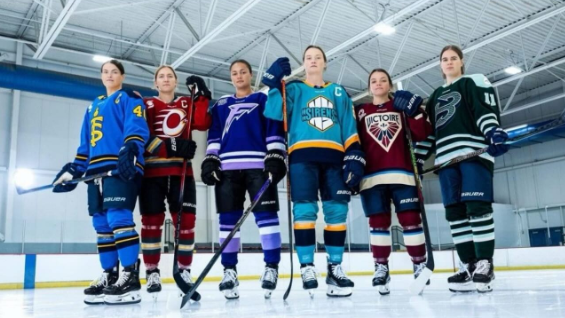
The Professional Women’s Hockey League turned into one of the key growth threads in today’s hockey. Even if the league only started in 2024, it already has strong attendance, lots of media focus, and more sponsors looking in across North America.
A chunk of the momentum is tied to how the PWHL is trying to lock in a more stable long-term setup for women’s pro hockey. Instead of staying stuck in split up regional systems, the league runs a centralized operation, while pushing hard on player spotlight, broadcast access, and arena style, presentation matters here.
Also, talk about expanding into more markets keeps heating up, because fan demand is still rising. Cities like Vancouver and Detroit come up again and again when people discuss where the league might go next, and that says a lot about how fast the PWHL has become a serious business asset inside the hockey world.
Champions Hockey League (CHL)

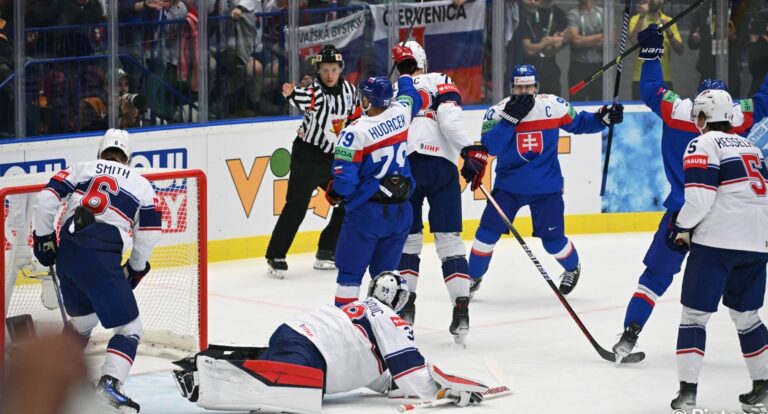
The Champions Hockey League has become Europe’s top international club competition, and it’s one of the best examples of cross-border hockey growth, outside North America and in practice, it pulls together top clubs from multiple European domestic leagues, and it keeps producing high stakes matchups that draw bigger television audiences plus better sponsorship value, year after year. That setup has helped shrink the visibility divide between Europe’s long-time hockey nations and the newer competitive markets that are catching up.
Clubs from places like Switzerland, Germany, Sweden, Finland, Denmark, and France now get more international exposure through CHL games. In turn, the tournament has boosted both player development visibility and commercial interest across the wider European hockey web.
Deutsche Eishockey Liga (DEL) And Germany’s Rising Hockey Market
Germany has been building into one of Europe’s fastest rising hockey markets, quietly. The Deutsche Eishockey Liga has gained from better attendance, more media coverage, and the appearance of elite German NHL level talent over the past few years. Players such as Leon Draisaitl and Moritz Seider have helped raise hockey’s profile across Germany, while also giving domestic leagues more international respect.
That growth is also backed by youth development programs, school based hockey efforts, and wider grassroots expansion linked with local clubs and the German Ice Hockey Federation. Initiatives connected to ball hockey, and early introductory hockey participation, help bring younger athletes into the game sooner, especially in areas that aren’t exactly hockey “traditional zones” to begin with.
And as infrastructure funding keeps moving forward, and fan engagement continues climbing, Germany’s hockey market is turning into one of the biggest growth hubs in all of European hockey.
About the Author