Images credit : @patricebergeronfan__37, @game7 via instagram and @hockeyblueprint via facebook
In pro hockey, the metric of a player’s legacy is usually built around on-ice production, like Stanley Cup championships, point totals, and individual awards. But the most serious impact an athlete can have sometimes shows up completely outside the arena baseline. A small group of top-tier competitors have managed to take the authority from their dressing room and flip it into huge philanthropic ventures, societal advocacy, and long-run community investments, generations worth of it.
These people show that wearing a “C” on a sweater is really just a launching pad for a lifetime of leadership. If you look closely at hockey’s most respected icons, you see how real-world impact can comfortably outlast any box score.
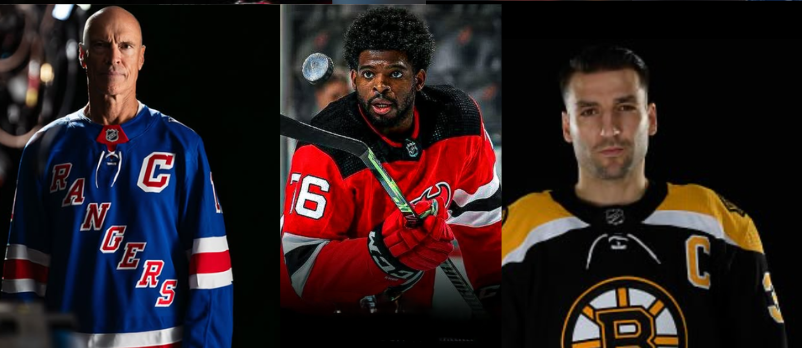
Mark Messier
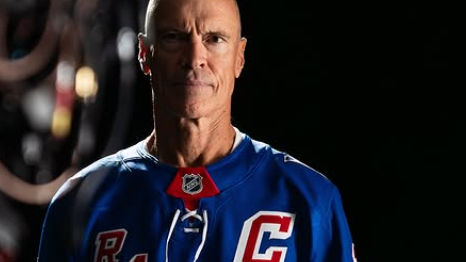
Mark Messier is one of those names everyone seems to know, almost like the default setting for athletic leadership and his reputation got cemented when he became the only player ever to captain two different franchises to Stanley Cup championships. And knowing that elite status also carries social responsibility- Messier leaned on his public profile and established the Mark Messier Foundation as a long-term philanthropic platform.
The organization focuses on empowering underprivileged youth by supporting access to sports programs, healthy living education and academic development. Messier’s commitment to community leadership is so notable that the NHL created the Mark Messier NHL Leadership Award, which is selected by- the Hall of Famer himself to recognize active players who combine strong on-ice performance with leadership and community involvement.
Patrice Bergeron
During a 19 season run with the Boston Bruins, Patrice Bergeron really became known as one of hockey’s most respected leaders and he received lots of praise for his sportsmanship professionalism and that steady presence on ,and off the ice. Off the ice he also helped grow community outreach efforts through the “Patrice’s Pals” program, by bringing patients from local children’s hospitals and youth organizations into the premium suites during Bruins games.
And his leadership didn’t stop there. It also showed up in talks about player wellness and recovery and after suffering a severe concussion early on in his career, Bergeron turned into a key voice around the mental and emotional sides tied to returning from injury and especially in a locker room culture that is traditionally tough and that often avoided those discussions even when it mattered.
P.K. Subban
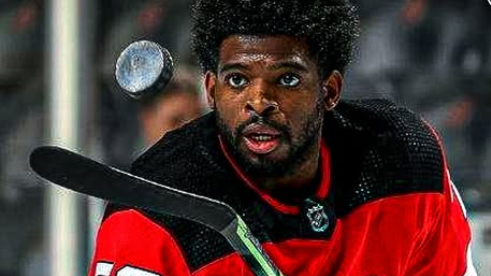
It’s not often you see modern players take star power and convert personal influence into systemic charitable change, but P.K. Subban did exactly that. The Norris Trophy-winning defenseman pushed hard for large-scale charitable work and did it with personal contributions that drew attention across the sports world. During his time with the Montreal Canadiens, Subban committed $10 million to the Montreal Children’s Hospital, one of the largest philanthropic commitments ever made by a Canadian athlete.
But it wasn’t just a one-time donation. The money helped create “P.K.’s Helping Hand,” a fund meant to provide financial support for families facing out-of-pocket costs like housing, medical supplies, and travel during pediatric illness treatment; after Subban’s trade to the Nashville Predators, he continued many of the same charitable efforts, showing that a player’s geographical baseline can shift without weakening their commitment to community support and human welfare.
About the Author