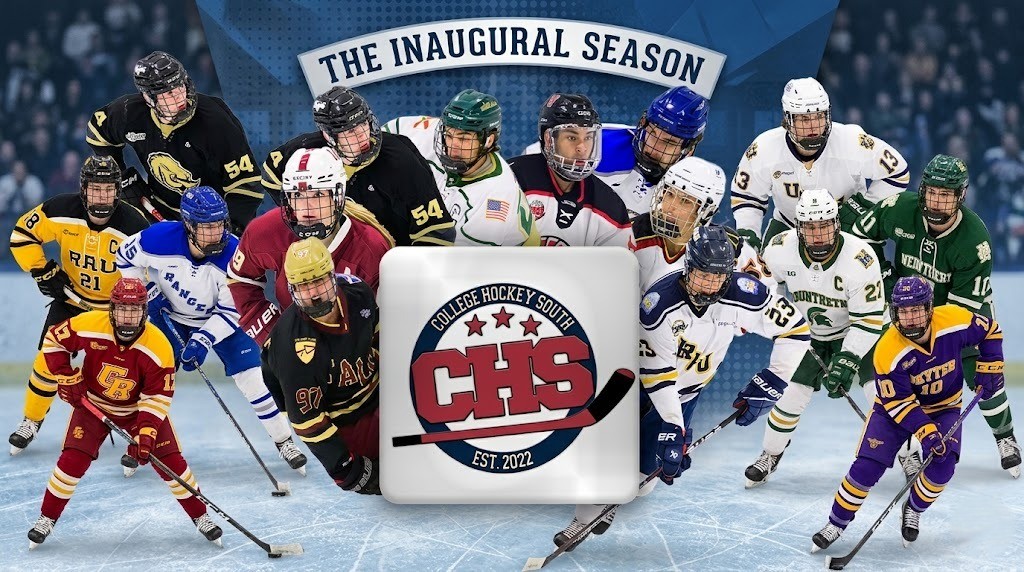
Image credit : @collegehkysouth via instagram
When people talk about college hockey “versus” pro hockey it sounds simple, but the jump is huge, way more than just the size of the paycheck, or the league name on the jersey. Even though both worlds are full of talented players, NCAA hockey and the NHL operate in very different environments, both structurally and culturally. For a player trying to last long term, the adjustments are usually what decide everything, not just raw skill.
The Grind Of The Calendar And Those Structural Differences

The first big thing you notice is the sheer amount of games and in NCAA Division I men’s hockey you’re usually looking at 34 to 36 regular-season games, and it’s almost always Friday or Saturday nights. That weekend rhythm leaves Monday through Thursday relatively open, so teams can stack serious conditioning, tactical practice, and academics too. The schedule itself naturally builds in more recovery time, and it matters.
Then the pro schedule hits immediately. The NHL regular season is 82 games over about six months, so teams are playing three to four times every week and because of that nonstop pace, there isn’t much time for major mid-week practice blocks. Instead teams lean on morning skates to adjust plans while emphasizing active recovery, travel logistics and mental toughness, not simply “train harder” every day and it becomes more about maintenance, recovery, and consistency than constant high-intensity training.
Roster Composition And Age Dynamics
Another difference is the locker room atmosphere, mostly because the players are at very different life stages and college hockey rosters are usually young adults around 18 to 24, and many of them build strong chemistry over a three-to-four-year collegiate cycle. That naturally creates a highly emotional, team-first culture tied closely to campus identity.
In the NHL the environment feels far more professionalized. You have a huge age range too, from 18-year-old rookies to 38-year-old veterans who may already have families and routines outside the rink.
On top of that, the NHL can be highly transactional in ways college hockey usually is not. Trades happen, players get reassigned to minor leagues, and waiver claims can occur quickly, so rosters can change almost overnight and that shift often makes the professional environment feel more competitive and business-oriented.
Tactical Systems And Pace Of Play
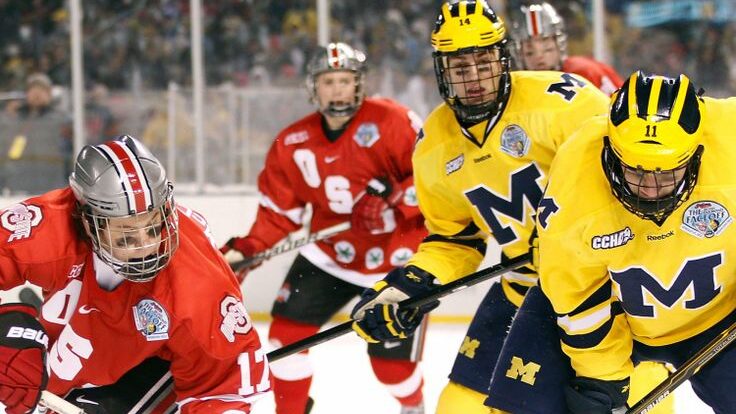
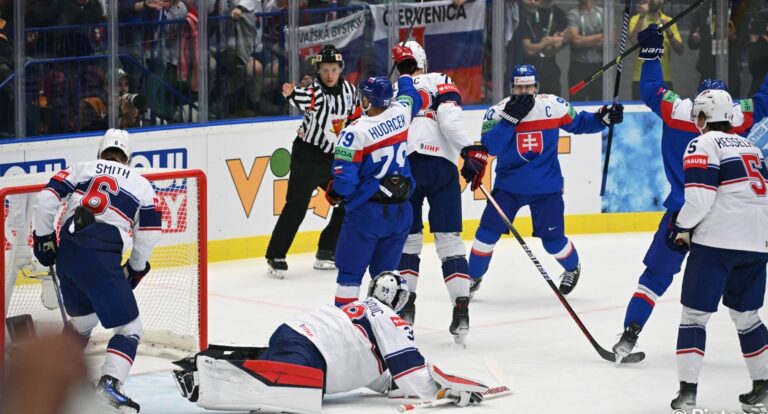
On the ice, the differences show up in how the game is structured and college hockey often features aggressive forechecking, faster transitional play, and a high-energy style. Since players usually get several days between series, they can sustain a highly aggressive physical pace for longer stretches.
Pro hockey slows the action down in one sense, but it speeds things up mentally. NHL players generally operate with tighter positioning, stronger puck management, and fewer avoidable mistakes when the ice opens up. The professional game tends to depend on high-danger efficiency, cleaner puck management, and structural patience. You can’t simply win by out-skating opponents forever. You have to win through systematic puck protection and situational awareness, controlling the space and timing of the game, not only skating ability. That’s why many top college athletes still need developmental time in the minor leagues, to re-tune instincts for the professional level before everything clicks at that higher standard.
About the Author