Image credit : @tony-schnagl via pexels.com
The identity of North American professional hockey has shifted from being a regional product into this tangled, connected global ecosystem. Canada and the United States still act as the sport’s real geographic and economic anchors, but the current 2025–26 National Hockey League (NHL) season shows an unusual level of dependence on international player pipelines. The surge of elite talent coming out of European development tracks has done more than just swap up the look of team rosters; it has also changed the tactical baseline, the mechanical expectations, and even the way players are groomed for the modern game.
The Statistical Convergence of Talent
You can see how deep this international blend goes in today’s roster tracking. For the 2025–26 campaign, active player data suggests non-North American skaters are about 30% of the NHL talent pool and Europe contributes nearly 250 active players total. Sweden keeps pushing this expansion forward, supplying over 80 active roster players, while Russia and Finland stay right behind with strong developmental pipelines.
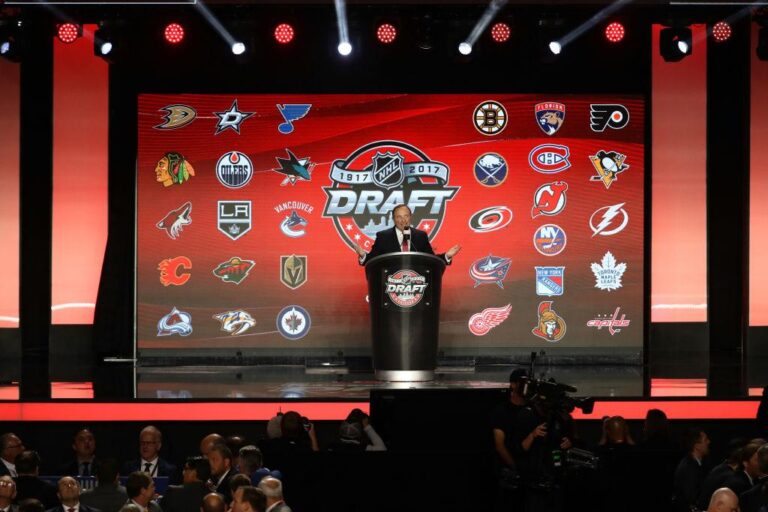
That geographic gap, even if it still exists, is narrowing in a way that matters to front offices across the whole continent. Two decades ago the numerical difference between the European skater supply and domestic American players could be more than 120 individuals in a given season. Now, that talent gap has significantly narrowed, so scouting departments end up judging a global roster pool, where international prospects don’t just “fit in”, they often match or beat domestic talent in key athletic measurements.
Mechanical and Tactical Reshaping
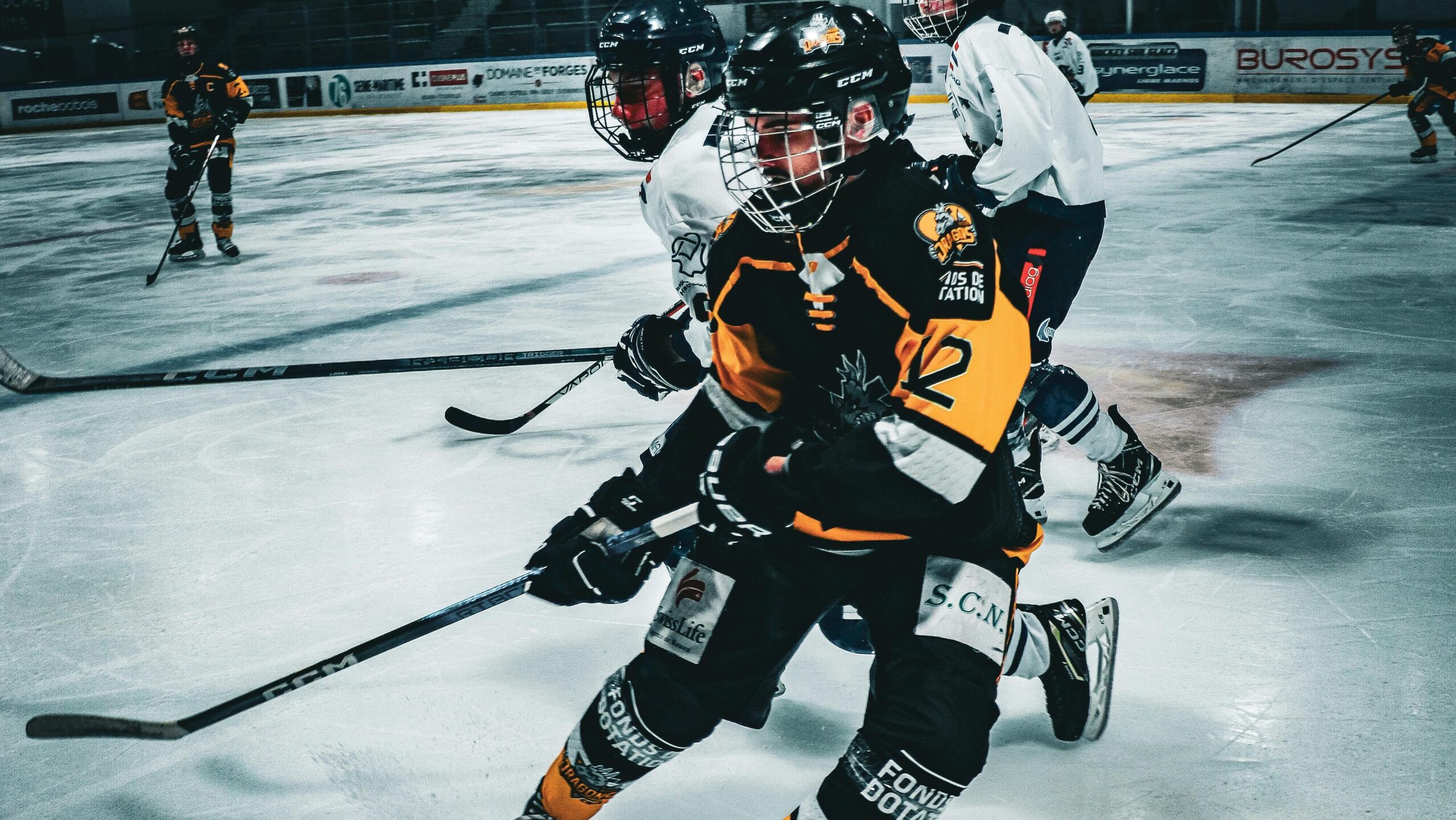
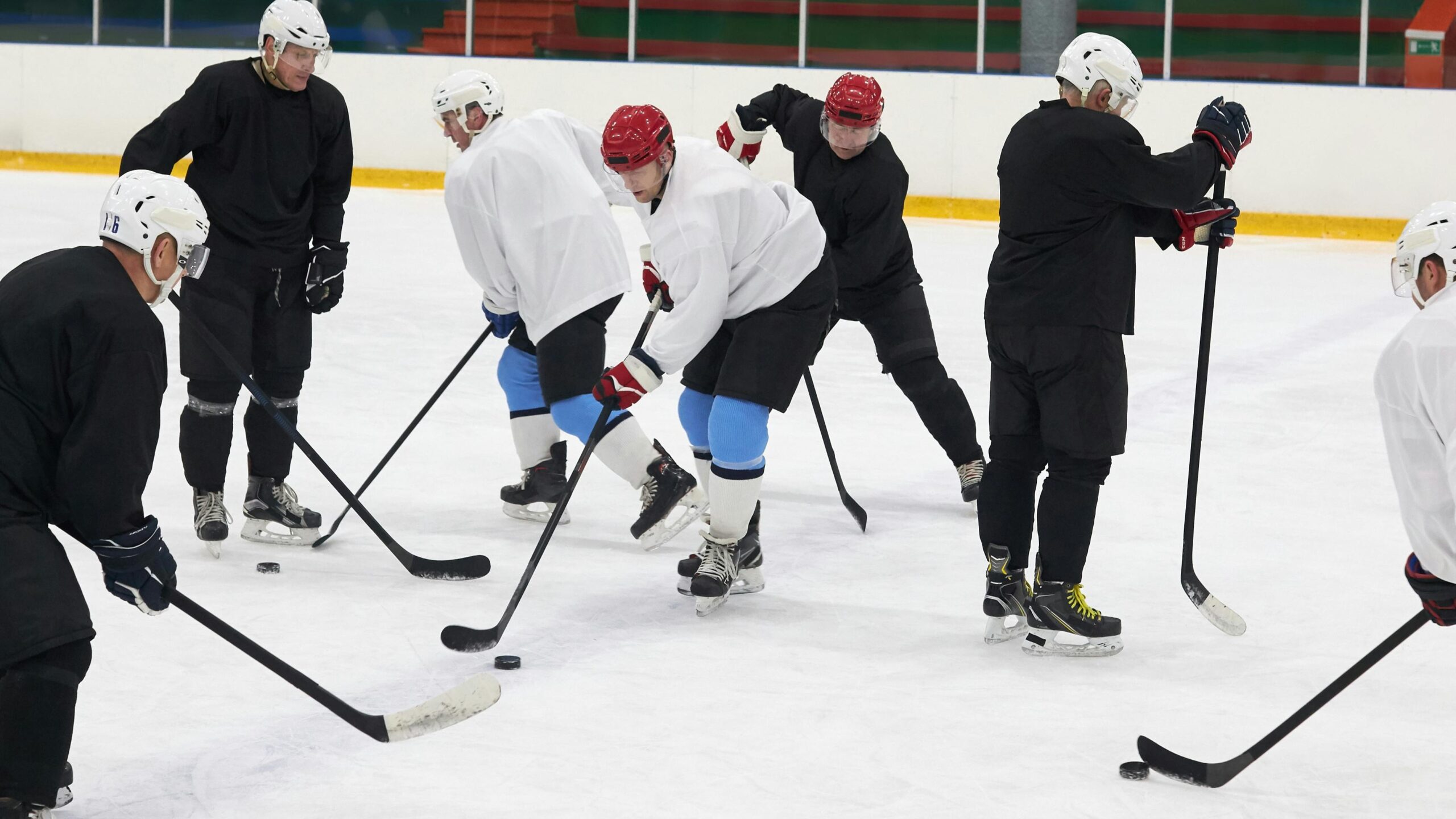
International integration has pushed the tactical evolution on ice in a big way, moving the sport away from older physical isolation, and toward something more fluid, possession-centered. European development programs, which historically leaned into larger ice surfaces, tend to train edge work like it’s sacred, plus better cognitive spatial awareness and stubborn, sustained puck protection. As a result, North American coaching staffs have reworked transition patterns too, reducing heavy dump-and-chase reliance and instead using east-west passing lane execution, the kind European playmakers make look normal.
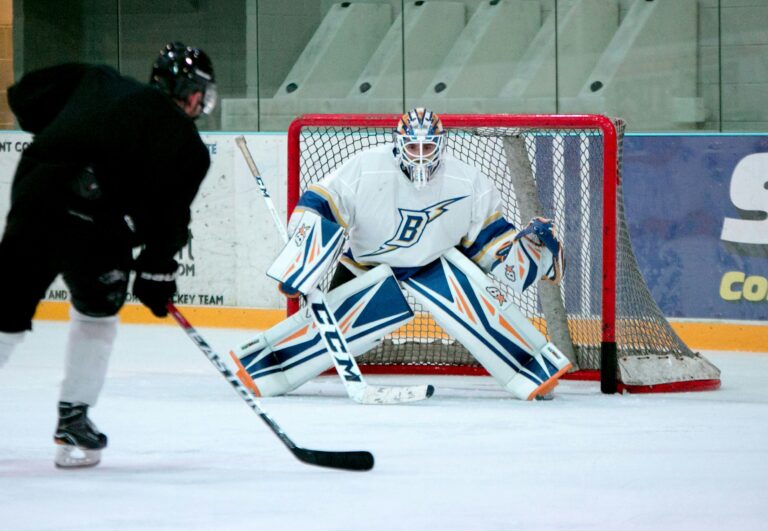
And this change stands out a lot in goaltending, of all things. Over the past decade, European programs, especially in Finland and Sweden, have reshaped netminding through hyper-disciplined positional mechanics and more sophisticated tracking systems. The fast emergence of younger international goalies like Minnesota’s Jesper Wallstedt points to a system working, not just random luck. These netminders emphasize technical depth, box control, and exact post-integration movement, more than pure reaction-based athleticism. It creates this structural standard that North American development setups are increasingly adapting toward, or risk falling behind.
The Evolving Pipeline and Professional Outlook
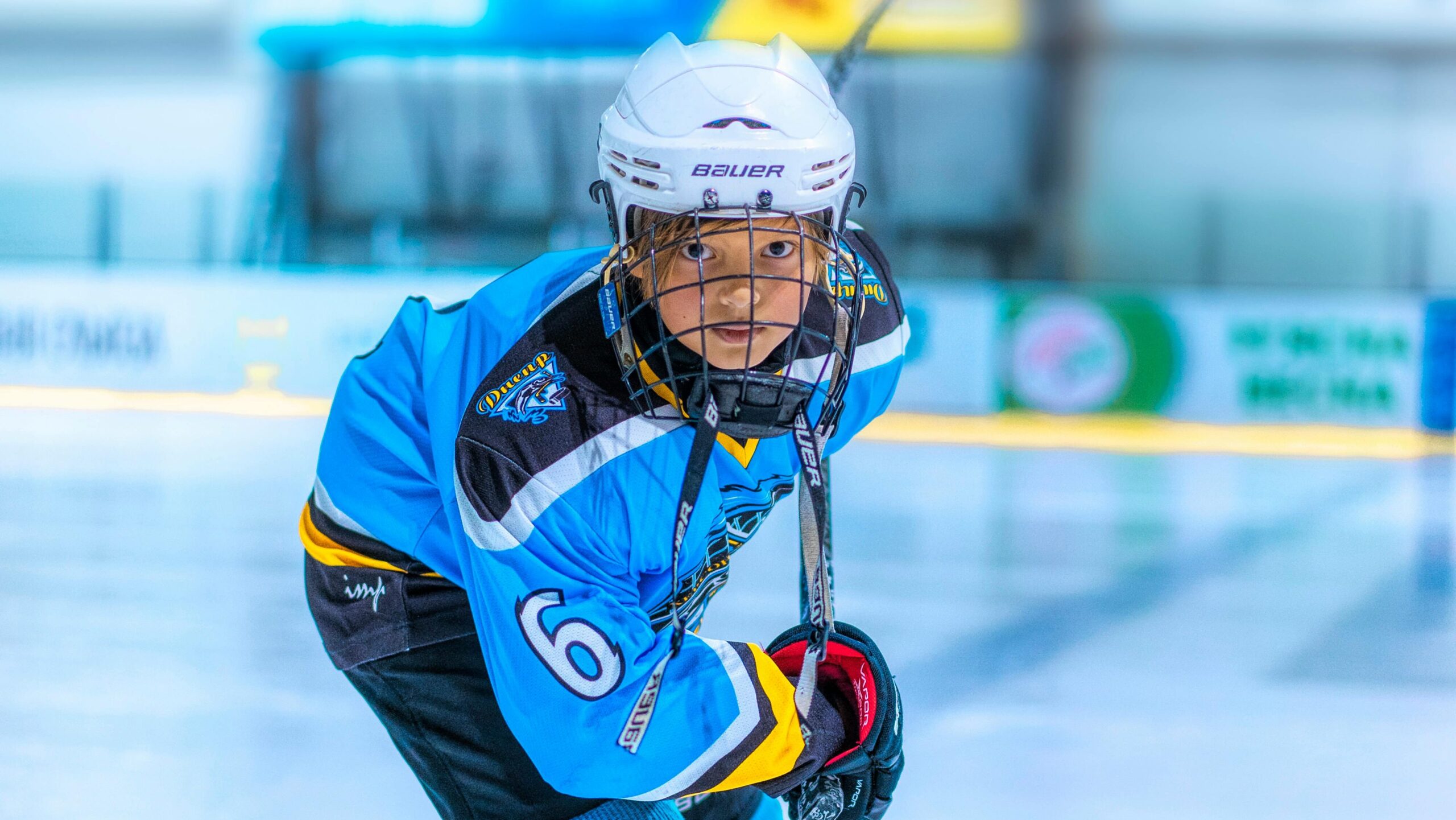
That nonstop flow of international players has also reshaped how junior and minor league infrastructure works across Canada and the United States and instead of waiting around for the NHL Entry Draft, more elite European prospects are choosing earlier transitions into North American junior circuits, including the United States Hockey League (USHL), to speed up their adaptation to smaller rink sizes and the faster physical tempo typical of the Western game.
This alignment means that international talent showing up for opening night is often tactically prepared already, not improvising their learning curve at the highest level. And as the global talent gap keeps tightening, the franchises that can combine North American forechecking intensity with European mechanical precision will probably define who sits on top. At this point, the modern game is no longer defined strictly by borders, it’s more like governed by a shared international standard of high-velocity execution, and the teams that internalize that first, win more often.
About the Author