
Image credit : @earano via pexels.com
The whole landscape of American competitive hockey is defined by big, large-scale tournaments that act like critical development pipes for youth, amateur, and elite college athletes. It’s not only ice, it also stretches into field hockey, and for 2026 the domestic calendar has these high-stakes showcases that basically pull in hundreds of teams and thousands of scout profiles each year. Over time these events have gone past the “regional meet-up” vibe and now feel super professional, like they need heavy structural logistics,plus tons of statistical tracking just to run smoothly.
The Hub of Ice Hockey Spotlights: The CCM World Invite
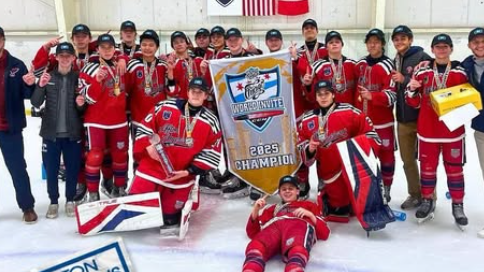
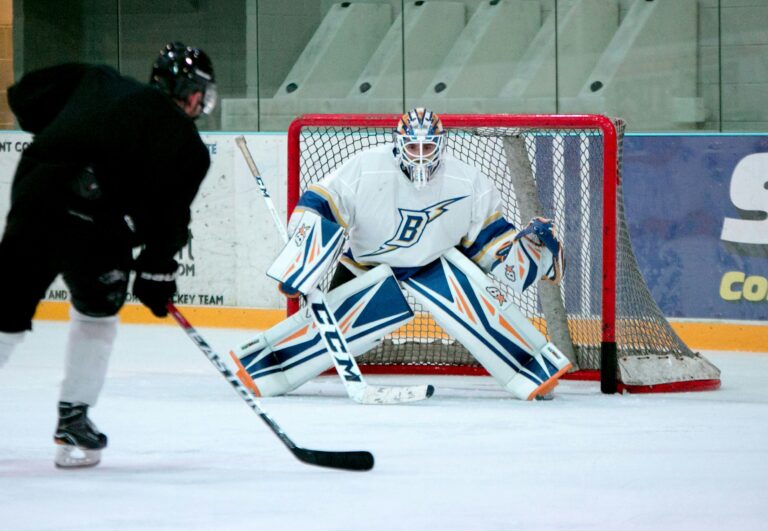
Set for November 6–8, 2026 in Chicago, Illinois, the CCM World Invite is described as one of the biggest youth ice hockey tournaments on the planet. Every year it takes in more than 500 tier-one and tier-two AAA/AA teams across age groupings from 9U up through 18U. The tournament actually uses 40+ sheets of ice around the greater Chicagoland area, so it can run a multi-level round-robin first, and then it shifts into elimination brackets after.
For scouts tied to the United States Hockey League (USHL) and NCAA Division I programs, the value is that it offers a tight, concentrated view of developmental depth at a top tier level. The “data” side of the CCM World Invite is a big reason people care, because it tracks performance metrics in near real time, including possession measures and scoring trends that colleges plug into early-stage recruiting materials. After the boys’ run, the pipeline keeps moving, and it goes to Detroit for the CCM Girls World Invite on November 13–15, creating that back-to-back weekend setup that matters for high-impact amateur scouting.
Elite Selection Infrastructure: The Junior Nexus Championship
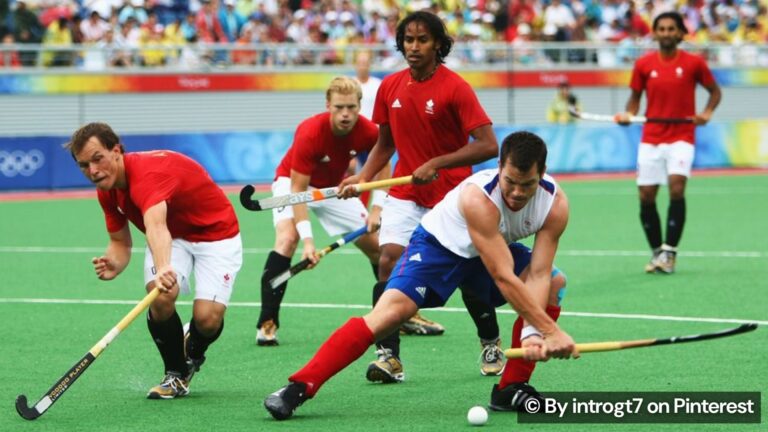
Switching from ice to field hockey, the elite competitive lens turns toward the Virginia Beach Regional Training Center for the Junior Nexus Championship, presented by Osaka Hockey. This one lands July 9 through July 19, 2026, and it functions as a major selection route for the USA Field Hockey National Development Program plus junior national team pathways. Instead of the usual club-centered model athletes can’t just “join in,” they have to qualify individually, through regional selection camps that happen earlier in the spring,so it’s not exactly a last-minute thing.
The tournament is organized by age brackets, starting with the U-14 division then moving into U-16, U-18, and senior categories as it progresses. The tactical setup runs a round-robin format that’s designed to stress high-intensity passing patterns and adaptability, especially on synthetic turf and because the tournament overlaps with international coaching clinics, players end up getting direct eyes-on contact with elite European and domestic systems, so it ends up feeling like one of the most important development weekends on the outdoor schedule.
Traditional Post-Season Competitions: The National Hockey Festival
To close out the year, there’s the National Hockey Festival on November 26–28, 2026, in Naples, Florida. It’s historically known as one of the longest-running amateur field hockey events in the United States, and during Thanksgiving weekend it brings together hundreds of club teams.
Even though the event includes competitive brackets from U-14 all the way through adult groups, the real spotlight is the college recruiting window for U-16 and U-19 athletes. The festival uses a multi-pitch layout, so large numbers of NCAA coaches can evaluate tactical output at the same time, basically in parallel. The competition style emphasizes transition speed and disciplined defensive structure, so for many club programs it becomes a final reality-check before the shift into winter indoor play. In the end these operational showcases reinforce that the scale of domestic tournaments stays essential for protecting and growing the United States’ competitive depth on the international stage.
About the Author