Image credit : @viralyft via pexels
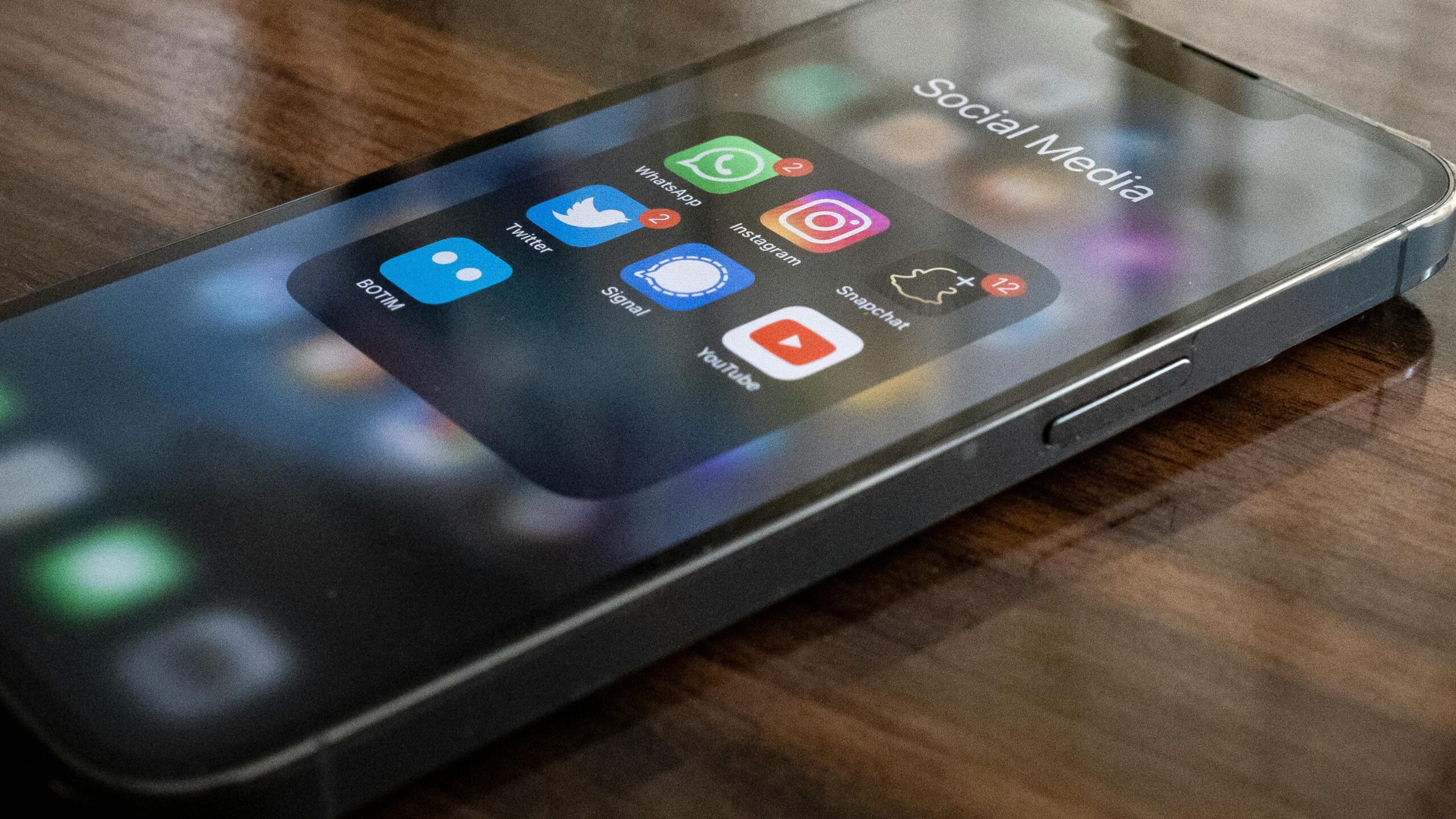
The whole old archetype of the professional hockey player, the sort of calm, quiet athlete with those rehearsed answers and a pretty strict split from everyday public life has been rewritten by the way modern digital media is laid out. Over the last seasons you can see it more clearly. Platforms like Instagram, TikTok, and YouTube aren’t just “broadcasting” anymore, they’re changing how athletes connect with audiences in a far more direct way. And once players started stepping past the older boundaries of traditional sports broadcasting, hockey personalities leaned harder into personal branding, as if it were a bridge that turns a regional sports figure into a wider, almost lifestyle presence.
The Tunnel Walk Vibe And The Whole Personal Brand Expansion Thing

One of the most obvious examples is that arena “tunnel walk” culture. It used to feel way more tied to the NBA and the WNBA, but lately it shows up around hockey more and more; guys like Toronto Maple Leafs forward William Nylander, for instance, have drawn attention not only for gameplay but also for fashion choices and social media presence, which helps pull in viewers who might not really follow hockey week to week.
This change also shows up in the Professional Women’s Hockey League (PWHL), where players have used stronger online visibility to grow personal brands and even independent business ideas and a few athletes across the league regularly post fashion content, training routines, and behind-the-scenes moments through social media platforms that mix athletic identity with wider lifestyle interests and entrepreneurial projects. That more personal, “up close” access has made fan engagement feel more immediate and more interactive across the league overall.
The Olympic Amplifier Effect And How Viral Reach Plays Out
International tournaments are basically visibility accelerators now, stretching hockey players beyond the usual sports audience. The Winter Olympics and World Championships, for example, often create sudden spikes in online engagement for standouts, especially younger stars who already keep active social media profiles.
And it’s not just about follower counts, either. Engagement itself matters a lot. Viral clips, medal celebrations, and behind-the-scenes content move fast across digital platforms, letting hockey athletes connect with people who aren’t locked into traditional sports fandom. In other words, these platforms don’t only spotlight athletic success. They also generate entertainment-driven visibility, and that can pull in bigger sponsorships and branding opportunities.
Demographic Diversification And Longer Structural Staying Power
One broader outcome of this digital shift is a fanbase that’s more diverse and younger too. Lifestyle-focused content on TikTok and YouTube has helped make hockey feel more reachable to viewers who might not have come in through the traditional broadcast channels and when players move past only on-ice numbers and instead share routines, style, training and personality, stars like Auston Matthews and Connor McDavid can widen their reach beyond the usual hockey markets.
As athletes build bigger digital identities, hockey seems to be entering a phase where visibility and audience engagement count almost as much commercially as on-ice performance and social media presence, personal branding, and direct interaction with audiences are now major parts of how modern hockey players build long-term influence both inside the sport and outside it too.
About the Author