Image credit : @Lacrosse History Past Present Future via facebook
Hockey history sort of keeps getting punctuated by tournaments that jump outside the rink, turning into cultural touchstones, and like, national self-image. From those famous Lake Placid venues, to the more artificial feeling turf setups in London and Tokyo, people remember not only the last scoreboard but the messed up little dramatic storylines and these almost unfair individual masterclasses that happened along the way. Now as the 2026 calendar keeps shifting, looking back at these landmark championships gives real useful fuel for understanding the current, high stakes stuff and the rivalries that are, right now, everywhere in the headlines.
The 1980 Winter Olympics: The Miracle on Ice
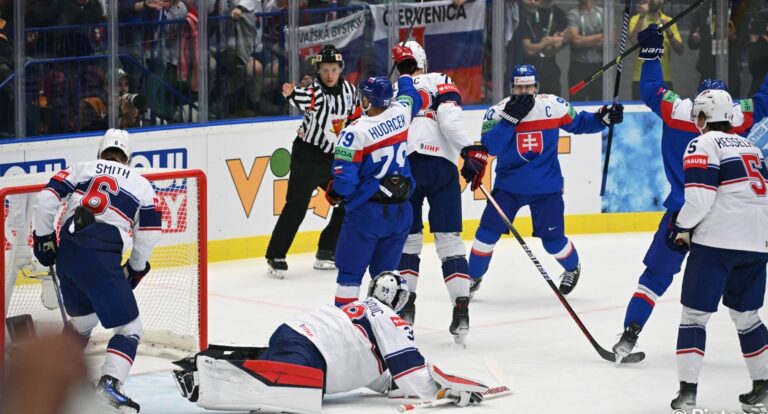
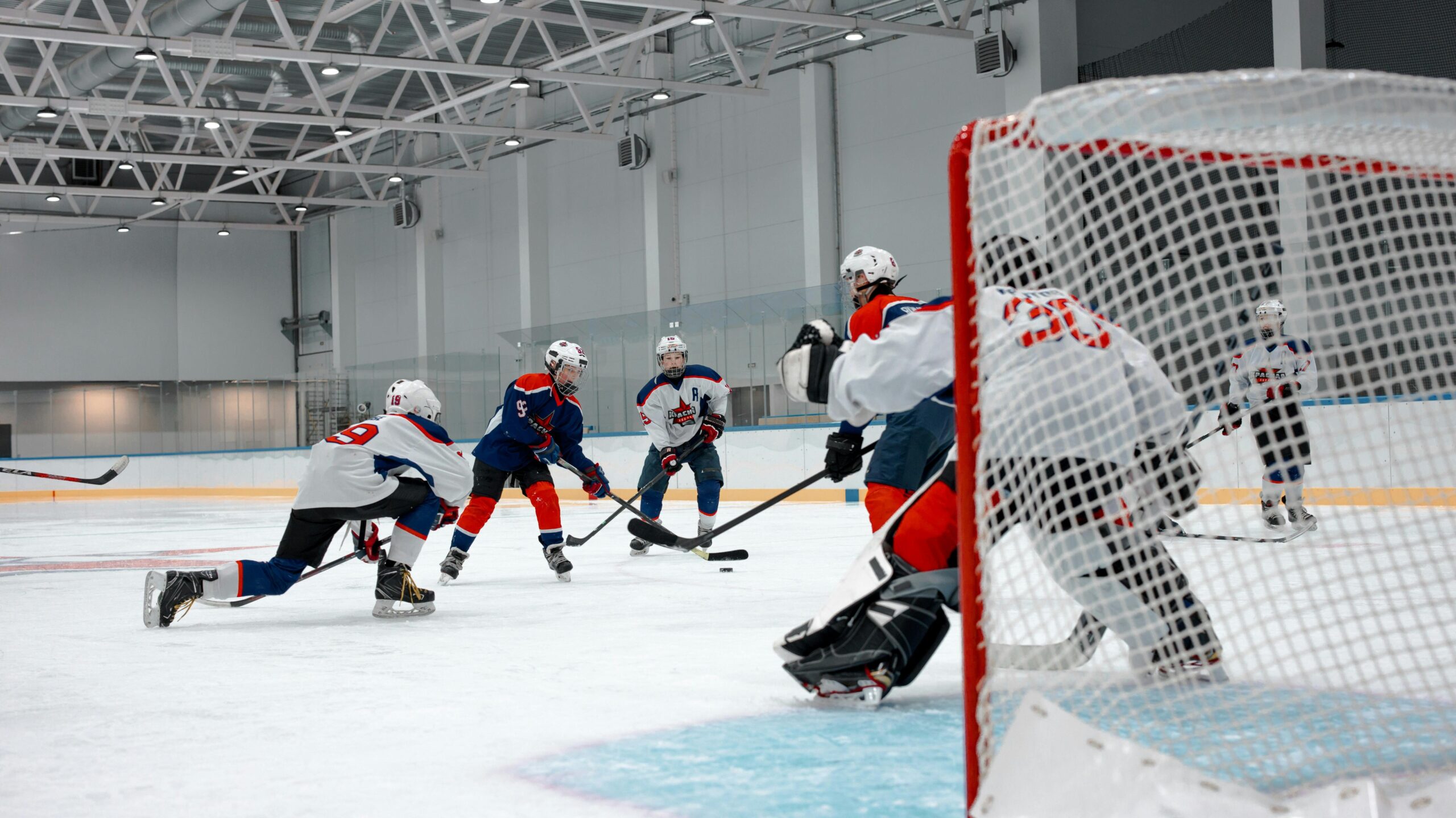
The 1980 Lake Placid Games stay as the clearest underdog, kind of fairytale, in international sports talk. The U.S. men’s team, built completely out of amateur college players, and guided by coach Herb Brooks, lined up against a Soviet Union side that had basically owned the last Olympic stretch, winning five of the prior six gold medals. Meanwhile the Soviets were packed with seasoned professionals, and they’d even steamrolled an NHL All-Star team 6–0, yet somehow they got toppled by the Americans 4–3 in a medal-round match.
That “Miracle on Ice” wasn’t just tough luck or a body-over-biology moment, it was also a tactical win, because the U.S. relied on a conditioning-heavy structure, to endure the Soviet Union’s high tempo offensive pressure. Then after that, the gold medal finish against Finland two days later basically locked the 1980 tournament in as the greatest international ice hockey story of the century. The cultural impact is so loud that even today, anniversaries still become a big talking point for analysts comparing the current 2026 U.S. roster with earlier versions.
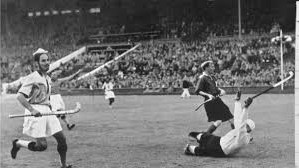
The 1948 London Olympics: India’s Post-Independence Glory
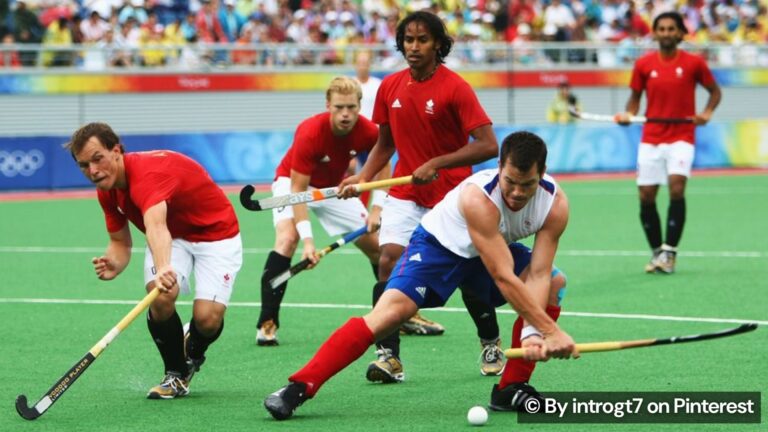
In field hockey, the 1948 London Games are often treated as a major turning point for India, because it was the nation’s first Olympic run as an independent sovereign state and after years of playing under the British flag, the Indian team traveled to London and managed to defend their title, beating Great Britain 4–0 in the final at Wembley Stadium. That win landed like a public signal of national pride, showing that India’s hockey dominance was still intact even though partition turmoil had reshaped a lot.
The event itself highlighted what people call the “golden age” of Indian hockey, with a game style built around mesmerizing stick-work and this almost smooth tactical fluidity. Balbir Singh Sr. turned into a worldwide star during the tournament, including scoring two goals in the final and for sport fans, the 1948 Olympics are remembered as the moment field hockey became tied deeply to India’s national identity, and it set a benchmark that regional programs in 2026 still try to claw back.
The 1998 Nagano Olympics: A New Era for Professionalism
The 1998 Games in Japan marked a real structural change for international hockey, since it was the first time the NHL paused its season so professional talent could actually compete and that shift created a “Dream Team” kind of atmosphere, where countries like Canada, Russia, and the United States arrived with rosters full of future Hall of Famers. But somehow the Czech Republic produced the most unforgettable run, led by goaltender Dominik Hašek, who let in only six goals across the whole tournament.
Hašek’s famous semifinal shootout display versus Canada, where he stopped five of the other team’s top scorers and stars, still lives as one of the most replayed clips in hockey lore. In the end, the Czechs beat Russia 1–0 in the final, winning their first ever gold medal. And beyond the men’s tournament, 1998 also counted as the official Olympic debut of women’s ice hockey, with the United States taking Canada 3–1 in the final. Overall, this tournament pretty much kick-started the modern chapter of the sport, showing that professional integration and gender inclusion were headed toward being the next normal in global hockey.
The 2010 Vancouver Olympics: The Golden Goal
Not many early 21st century tournaments created the kind of lasting buzz that the 2010 Winter Olympics in Vancouver did and as for Canada, the whole event was defined by the crushing expectation to win at home, and it ended with a gold medal final against the United States, a game that still ranks as the most-watched hockey match in Canadian history. The contest spiked into near-chaos when Zach Parise tied it up for the Americans, with only 24 seconds left in regulation, forcing sudden-death overtime.
Then the “Golden Goal” by Sidney Crosby at 7:40 of overtime became this defining picture of modern international hockey. The tournament itself ran like a clean statistical and tactical showcase, mixing fast North American style with disciplined puck possession. For fans, the 2010 Games are basically the high-water mark of the Canada–USA rivalry, and they also offered a blueprint for the intensity and production scale you see now in 2026 international broadcasts.
About the Author