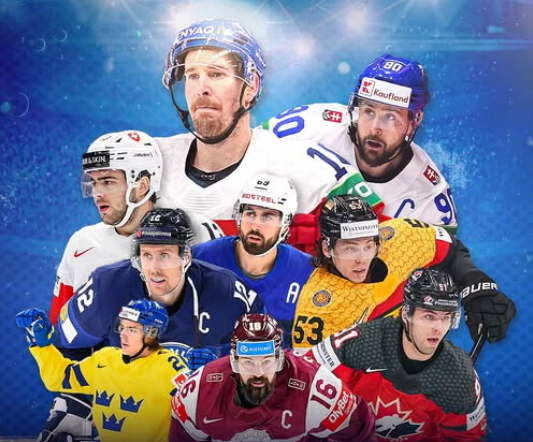
Image credit : @iihfhockey via facebook
Hockey championships are often talked about like they’re the most grueling gauntlets in professional sport, but really their legacy is in those in-between seconds that somehow go past the scoreboard. By 2026, the world of international and professional hockey keeps getting pulled together by this strange mix: harsh physical sacrifice, sharper tactical figuring, and this cultural pressure that very few other games even manage to copy. Those moments stick, not only because a trophy gets lifted, but because they feel like the end result of well-built systems plus personal resilience, right there under the absolute maximum stress.
The Anatomy of a “Golden Goal”
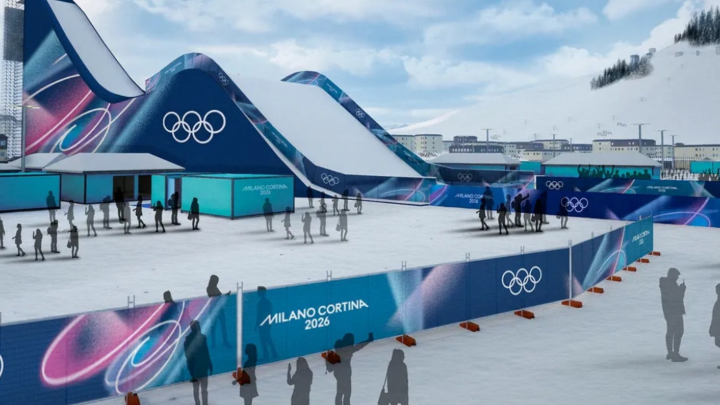
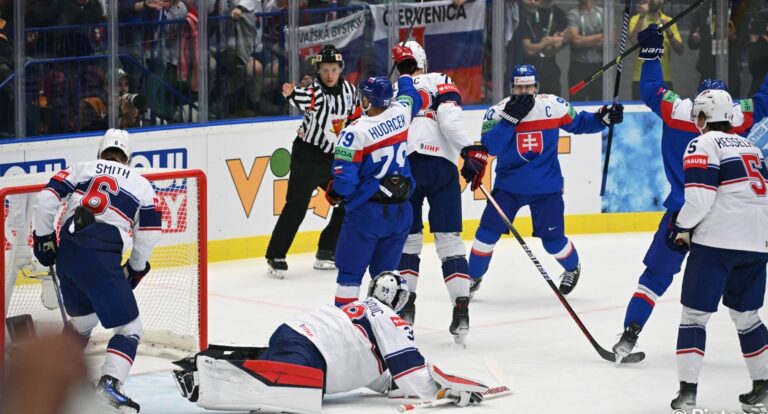
In international games the “unforgettable” bit is usually tied to the sudden-death overtime winner, this high-stakes scenario that showed up most recently at the Milano Cortina 2026 Winter Olympics and recent international tournaments have continued highlighting how overtime moments can instantly define championship legacies, especially in high-pressure Olympic and World Championship settings. Plays like that get carved into sports memory because they compress years of prep into a handful of seconds, like everything just clicks at once.
Tactically, these goals don’t just happen. They come from a total hockey way of thinking, where defenders are woven into the attack, a change that’s basically defined the 2026 international cycle. Modern international teams increasingly rely on aggressive transition systems and defense-driven offensive support to create decisive scoring opportunities. To the crowd, the “magic” is in how quickly it ends, but for the reporter the real question is how the tactical evolution let the moment even be possible in the first place.
The Emotional Weight of Statistical Milestones

Championship moments can also last longer when they line up with historic individual progress. The 2025–2026 NHL season made that pretty clear with Alex Ovechkin chasing, then eventually surpassing Wayne Gretzky’s NHL goal-scoring record. If a playoff run overlaps one of those milestones, the whole story turns deeper, almost layered. It basically upgrades a typical playoff series into a living archive, so fans get that “I was there” sense, even when they’re watching from home, somehow.
Then there’s the handshake line, which adds another emotional layer and even when the series is brutal like the recent 2026 sweep by the Carolina Hurricanes the post-series ritual still shows up, calm and formal. It’s a reminder that respect remains deeply embedded in hockey culture, even during intensely physical playoff battles and that contrast leaves a lasting impression and it pushes the idea that hockey championships are about identity and integrity just as much as raw dominance.
Technological Influence on Lasting Legacies
These days, modern hockey championships are preserved with an analytical focus that simply wasn’t around decades ago. The “unforgettable” moments of 2026 are recorded with high-definition tracking that logs everything from puck velocity to player workload and skating intensity. That extra layer changes how people remember, because fans and analysts can actually trace how the play grew from start to finish, not just guess what happened.
So, ultimately hockey championships produce unforgettable moments because the victory is the hardest one to earn in sports. You need four rounds, and potentially 28 games, meaning there’s nonstop physical attrition stacked on attrition. Only the teams that maintain resilience through constant physical and mental pressure ultimately survive, and when the final buzzer hits and the names get engraved, it’s not only a celebration of winning it’s a recognition that the team survived a two-month war of attrition just to reach the top, and did it with discipline intact.
About the Author