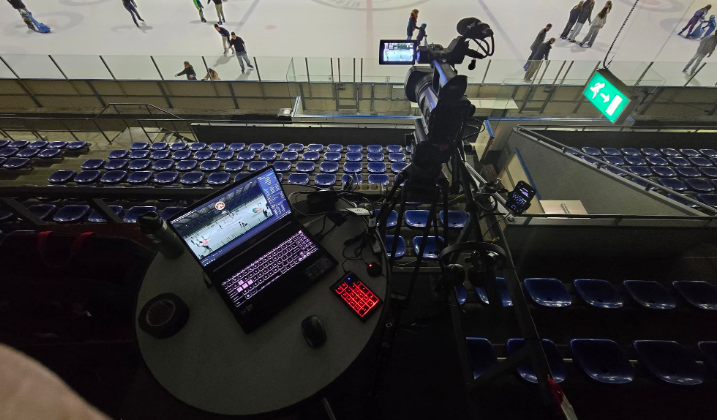
Image credit : @johanels via instagram
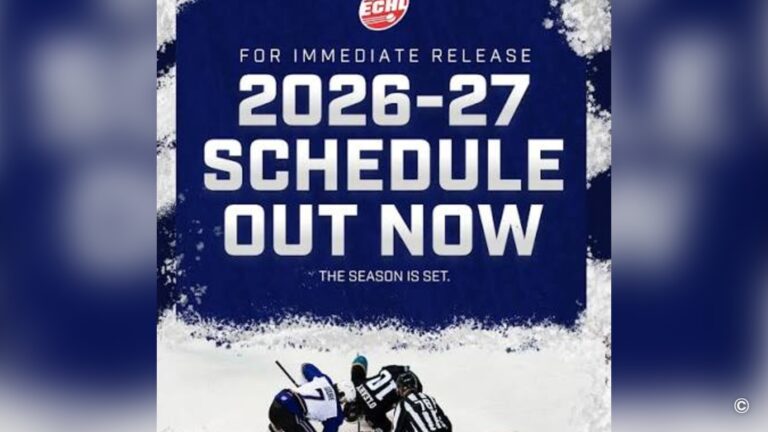
As the 2026 Stanley Cup Playoffs slide into their final rounds, the National Hockey League, and its main broadcast partners, have rolled out a bundle of structural changes that should, in a way, reshuffle how fans actually consume the sport. This is supposed to start with the 2026-27 season, and it’s being tied to new media agreements, plus this broader push toward streaming integration so overall the vibe is more platform connectivity and more attention on nationally available content, not just regional stuff.
Canadian Rights Renewal and the Expansion of National Access
Rogers Sports & Media and Sportsnet are still the NHL’s headline Canadian broadcast partners, under that long term national media agreement. The overall setup doesn’t look wildly different, but one of the big ongoing priorities for them is pushing higher national accessibility for those high interest matchups across both digital and television.
Basically, by giving more national exposure to games involving the Edmonton Oilers, and the Vancouver Canucks, Sportsnet is trying to lift viewership and advertising reach across multiple screens. And even though the “Hockey Night in Canada” branding is still kind of the center piece, the longer term shape of the traditional broadcasts keeps moving around too, because people watch differently now. More streaming, more switching, less sticking to one routine, you know
U.S. Media Integration and Expanding Streaming Strategies

In the United States, 2026-27 is another big checkpoint for the NHL’s partnerships with ESPN and TNT Sports. The broadcasters are still tweaking how they cover the league, largely because streaming demand is getting louder, and because scheduling shifts have been happening alongside the league’s changing calendar.
To match that shift, ESPN and TNT are getting ready for deeper integration with streaming services like ESPN+ and Max. National showcase matchups such as the NHL Stadium Series are expected to stay major priorities for U.S. partners, whether on standard television, or through streaming. At the same time, TNT Sports keeps running tests with alternate broadcasts, and multi platform distribution, aimed at audiences that skew younger.
Also, the league and broadcasters are looking into ways to modernize all the off ice storytelling, player access, and broadcast presentation. Overall this media approach is less “only game action” and more entertainment driven, even when hockey is still the main thing.
Global Expansion and FIH World Cup Digital Rights
The shift in hockey broadcasting doesn’t stop in North America. The International Hockey Federation (FIH) has been building out digital first partnerships for future international events, with plans tied to Europe and other global markets. Across Asia and Europe, regional streaming platforms keep expanding their hockey coverage through digital focused broadcasting agreements.
This lines up with a bigger industry movement toward cleaner feeds, better streaming quality, and viewing experiences that lean on immersion, instead of relying as much on older, traditional broadcast structures. And as broadcasters test AI driven personalization, plus alternative ways to watch, the 2026-27 season is starting to look like it might be one of the most technologically advanced and globally reachable periods in hockey broadcasting.
About the Author