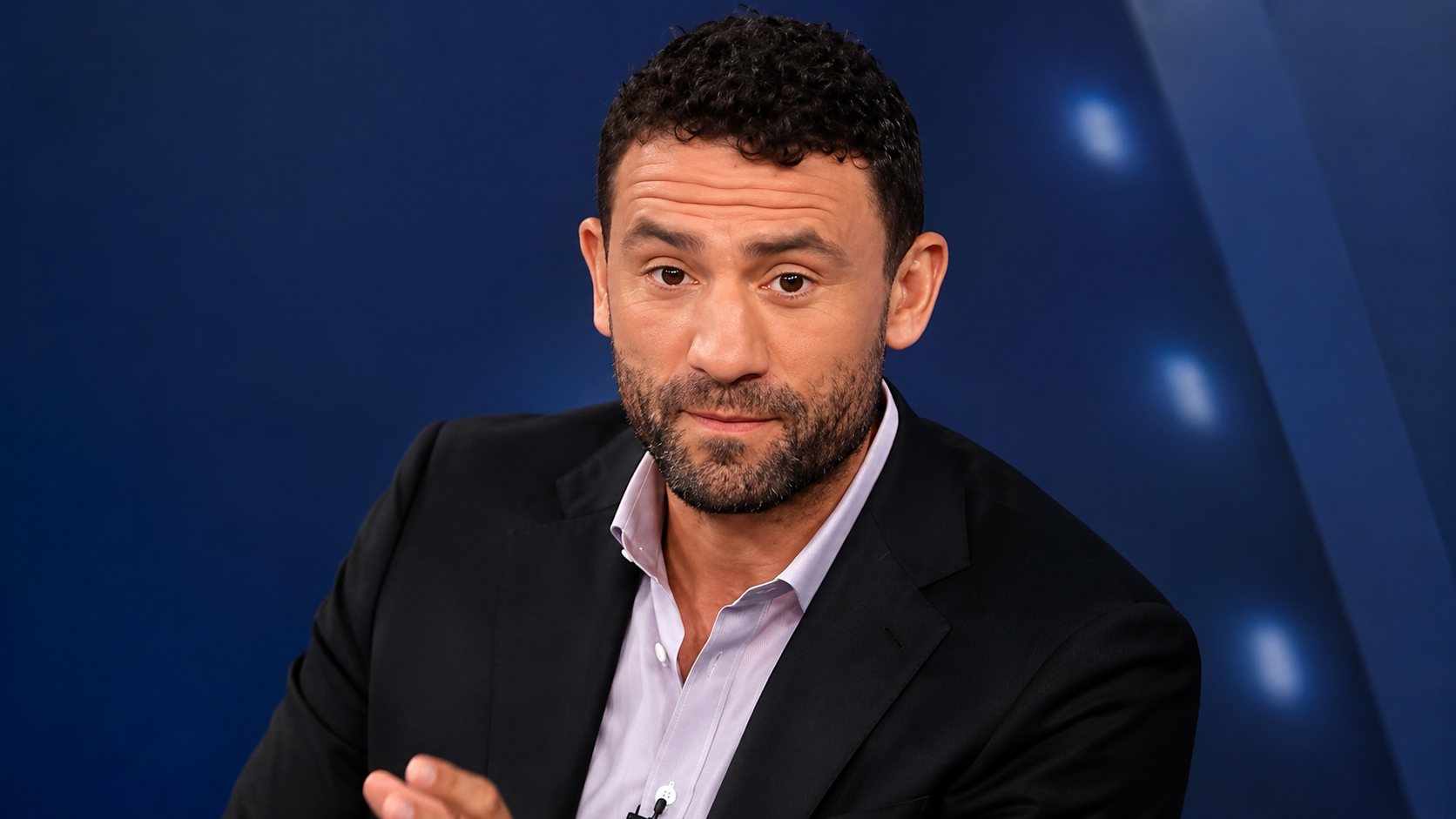
Image credit : @nypost via pinterest
The career route for a professional hockey player has, honestly, always been defined by on-ice output and that physical toughness grit thing. But by 2026, social media has increasingly become a second platform influencing endorsement opportunities, post-career visibility, and even aspects of amateur scouting. This change is pushed by a league-wide vibe to “unmask” people, so athletes stop being just quiet skaters doing their job, and start acting like multi platform media operators, like, on purpose.
The Rise of the Athlete as a Media Channel
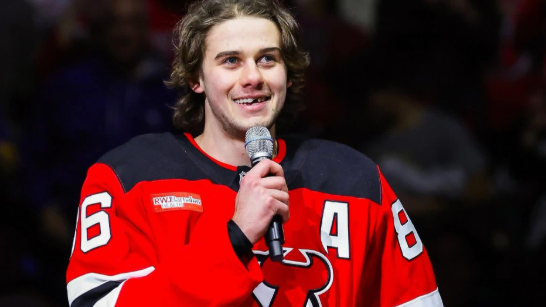
In 2026, hockey players don’t really work as simple endorsers anymore, they’re more like “owned media channels.” Big brands have moved some money away from the usual 30-second spots, toward “athlete led storytelling,” where a player’s real TikTok or Instagram posts can pull bigger attention than those polished ad campaigns and the NHL’s recent marketing approach, which places greater emphasis on player personalities and behind-the-scenes access, has helped stars like Connor McDavid and Jack Hughes significantly expand their social media reach. So yeah, their personal brand turns into its own self-running business ecosystem.
And this isn’t just vibes, it has clear financial ripple effects. Some players are increasingly exploring endorsement structures tied to audience reach and digital engagement, which is basically how well they can reach fans directly through social channels. For the mid-tier guys, a good digital presence can add job stability and endorsement money that offsets the fact they don’t have a superstar salary. So managing social media becomes part of professional training, not just extra homework on the side.
Scouting and Recruitment in the Digital Age
The social media impact starts earlier than people think, like years before someone even signs a pro contract and by 2026, some scouting departments and agencies are using AI-assisted analytics and public digital research to monitor draft-eligible prospects. Scouts and executives use it to follow things like public behavior, professionalism, and how players handle high-pressure moments away from the rink. It gives a broader picture than spreadsheets alone, almost like an extra set of eyes that never sleeps.
For youth players, social media becomes a “digital resume.” Up and coming talent use it to show technical skill and training discipline, pulling attention from scouts and agents worldwide. But it also creates a newer kind of risk, because one awkward moment or lapse in judgment on social media can mess with draft value or scholarship chances. As a result, some youth programs have placed greater emphasis on digital literacy and mental health education within player development, not as a later add on, but as standard practice.
Post-Career Longevity and the Influencer Economy
Social media also rewires what the “second act” looks like for retired hockey players. In 2026, stepping from the ice into a media booth isn’t the only path anymore and former players like Paul Bissonnette have helped popularize the “athlete influencer” model, using large followings to expand into podcasting, broadcasting, and brand partnerships while staying visible long after their playing careers end.
This influencer economy helps players assemble a devoted audience while they’re still active, so pivoting into business or entertainment becomes less like starting from scratch. With digital engagement staying the “front door to fandom,” learning how to handle social media properly becomes just as crucial as handling the neutral zone. So in a way, it’s a permanent evolution of the whole professional hockey career, not a temporary trend.
About the Author