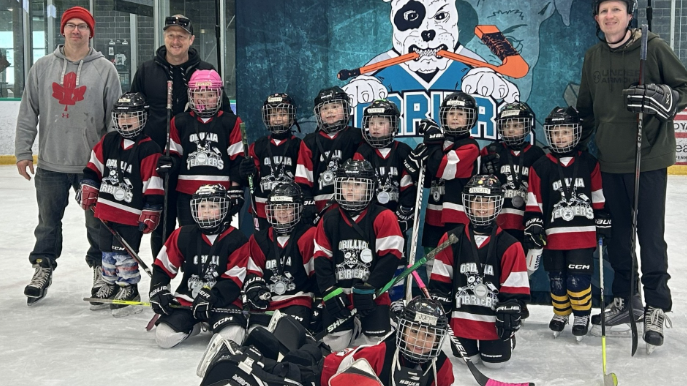
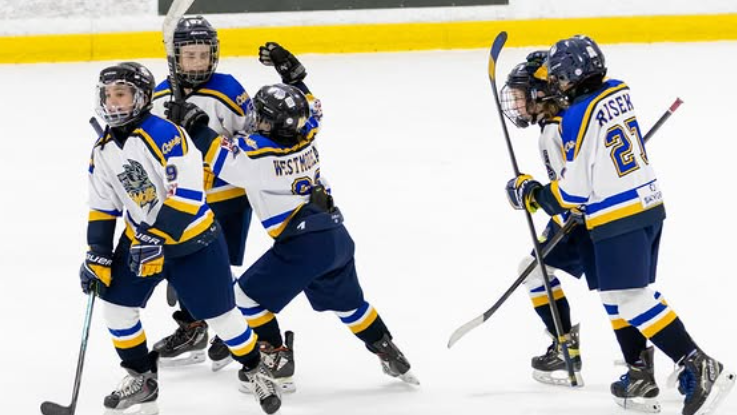
Image credit : @orilliaminorhockey via instagram
Getting to the NHL or PWHL is rarely a clean, smooth line; it’s more like this brutal progression through a pretty layered ecosystem of minor and junior hockey leagues. These setups basically work as the main proving grounds for talent, where raw athletic ability gets shaped into real, pro-level skill through high-frequency competition, highly specialized coaching and this pretty strict ladder of advancement. From the Tier 1 youth programs right down to the Major Junior ranks, minor hockey is built to spotlight and pressure-test the next batch of potential stars, well before they ever step onto the professional draft stage.
The Role of High-Performance Development Models
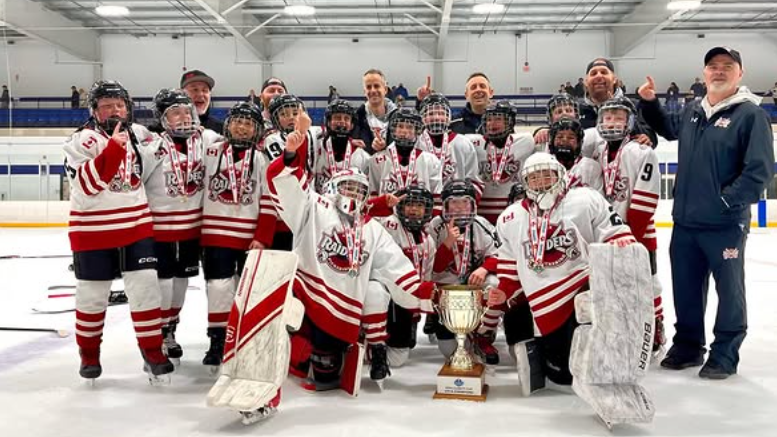
Modern player growth usually starts with a “High-Performance” or HP model, and in a lot of places they’re already sorting players as early as age 12, which is a lot sooner than most people think. Leagues like the Greater Toronto Hockey League (GTHL) or the Minnesota State High School league end up acting like dense talent pools. There, players get elite coaching that’s meant to echo the professional setup. At this point the goal shifts from just basic puck handling, toward “hockey IQ,” like the ability to interpret the flow of the game while everything is moving fast. You also end up with years of deliberate practice, and constant, high-level games, sometimes with schedules that feel like dozens of contests every season.
And that volume matters because it drags players through tons of pressure moments, plus weird game situations that you cannot really fake. You can see a lot of it with international players too: elite transition speed and technical precision usually don’t appear out of nowhere, they’re built after years in competitive youth structures that keep pushing transition speed and technical details.
The Crucible of Major Junior and Collegiate Hockey
When players hit their mid-teens the system kind of fans out. In Canada you get the Canadian Hockey League (CHL), with the OHL, WHL, and QMJHL, and then there’s also the NCAA college route in the United States. These leagues are often treated like the last “finishing school” for top-tier talent. Major Junior in particular tends to mimic that pro routine pretty closely. Think long road trips, NHL-ish playbooks, and this constant media attention that can wear people down. So in a way it works like a psychological filter, it spots who can keep their output steady while also absorbing the physical grind of a season that lasts like a professional one.
And the numbers matter. The league data gives NHL teams “Predictive Analytics,” and scouts commonly use metrics like Points Per Game (PPG) and Expected Goals (xG) in relation to a player’s age to estimate ceiling. If someone dominates the OHL at 17, they’re statistically more likely to land in a top-six NHL role than a player who starts looking dominant later. This stage of hockey also leans hard into specialized responsibilities too, from shut-down defensive pairings to power-play quarterbacks and those high-stakes penalty kill roles.
The Integration of Video Analysis and Skill Coaching
The last major piece of the modern pipeline is technology showing up earlier, even at the minor league level. More youth and junior programs now use video breakdown, skating analysis, and performance tracking tools, all to judge skating efficiency, and how a player reads space. So if a coach spots a technical issue in a player’s stride, or problems with shooting mechanics at 15, they can correct it sooner. That kind of fix is way harder to install later, once someone’s already in the professional environment. The upside is pretty clear: when the player finally arrives at an NHL training camp, they aren’t just “an athlete,” they’re more like calibrated specialists, ready to compete at the highest velocity the sport has.
About the Author