
Image credit : @dailyfaceoff via instagram
The trajectory of a professional goaltender is rarely fully straight, but the 2025–26 season has shown a pretty clear case in rapid development through the rise of Minnesota Wild netminder Jesper Wallstedt. After a 2024–25 campaign that was defined by mixed AHL results and a rough NHL adjustment; the 23-year-old has surfaced as one of the most improved young goaltenders in hockey and his movement from a hesitant prospect to a high-leverage postseason option has shifted the Western Conference conversation in a noticeable way.
Analyzing the Statistical Turnaround

Wallstedt’s rise stands out most when you look at the gap between his earlier development years and his current form. Last season, he posted inconsistent numbers during stretches of AHL and NHL action, which fueled the usual doubts about whether he was ready for an enduring NHL role once Marc-Andre Fleury’s career wound down and yet during the 2025–26 season and postseason, Wallstedt produced strong save percentages across multiple appearances and looked far more composed under pressure.
The biggest theme behind his growth is consistency, not just flashes. He’s delivering a noticeably higher rate of quality starts compared to earlier stages of his development and that improvement showed up during key playoff games against high-powered offenses, where he handled heavy shot volume and slowed down transition-heavy attacks. And this didn’t feel like some one-off bounce. It looked more like the payoff of a longer season-long sharpening in both lateral movement and high-danger save efficiency.
Technical Mechanics and Rebound Control
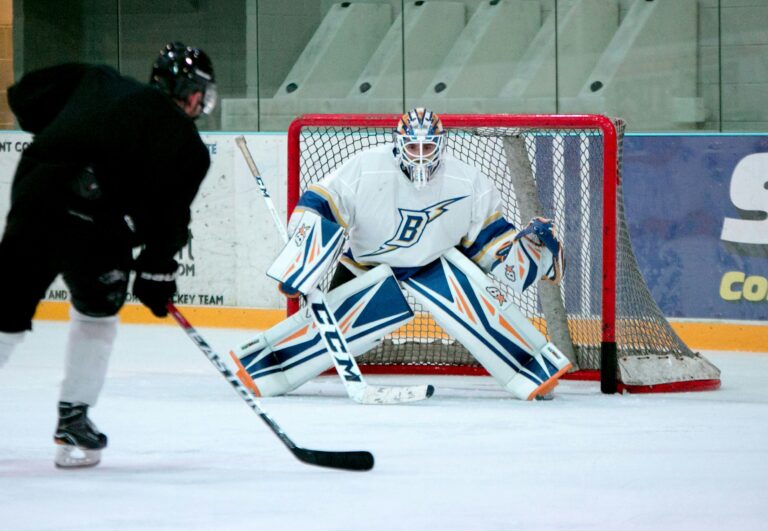
Still, beyond the spreadsheets, Wallstedt’s improvement comes from something deeper: technical maturity that looks like it actually stuck. Earlier in his career, he had trouble managing “high-danger” rebounds, sometimes letting second chances appear in the crease because pad positioning wasn’t tight enough. In the 2026 postseason though, his efficiency against high-danger chances improved significantly.
And when he tightened his “post-integration” methods, meaning how he seals the ice during cross-crease deliveries, the “soft goals” that used to haunt him early on started to fade. That sort of discipline lets the Wild run a more assertive defensive plan. Defensive pairings can pinch at the blue line more often, since their goalie has the lateral speed to quiet off-pace counter threats from elite transition players.
Even his “tracking” through heavy screening seems sharper. During this playoff stretch, he’s posted strong save numbers against screened point shots, which is the sort of detail that usually shows up only when a goalie becomes more comfortable with traffic and timing.
The Path to Elite Status
The ripple effect reaches past domestic competition, and it’s beginning to matter in broader international discussions surrounding future tournaments. By stabilizing the Minnesota net, Wallstedt has forced opponents to reduce pure shot volume and instead lean into busier east-west passing patterns. The Wild’s defensive rotation is structured to counter that style of play.
Entering another important stage of his NHL development, Wallstedt has moved from a “goalie of the future” into more of a real-time anchor. His whole arc is almost like a template for how goaltenders develop: elite pedigree mixed with the willingness to rebuild technical issues while the pressure is at its highest.
If he keeps this trajectory through the remainder of the 2026 playoffs, then he won’t only stand as one of the league’s clearest breakout stories, but he’ll also lock in as a top-tier foundational piece for the next era of Minnesota hockey.
About the Author