
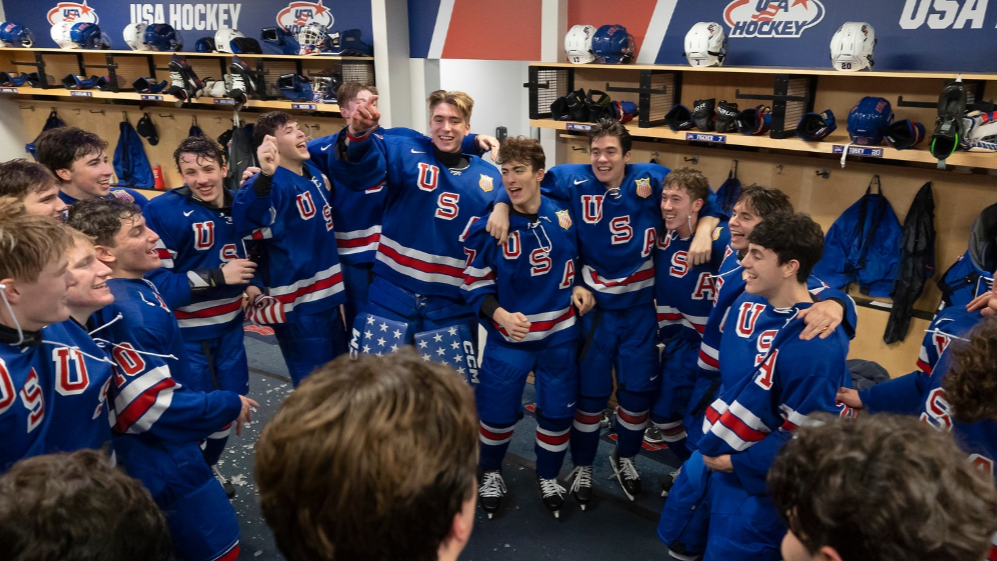
Image credit : @USANTDP via facebook
Over the past century, hockey in the United States shifted from a local, cold-weather pastime into a high-tech, multi-billion-dollar cultural force. And you can really see it when people talk about moving on from the “Miracle on Ice” period, those scrappy underdogs, to today’s much more polished scene. Now it’s less like a small regional thing and more like a full-on elite development ecosystem, rapid geographic spread, and a growing push for inclusivity. As of May 2026, the sport’s American identity isn’t stuck in the “Frozen North” idea anymore. Instead it’s anchored in a professional, data-driven style that stretches across the whole continent.
The Professionalization of Development

One of the biggest changes in American hockey culture is the shift toward centralized, elite training. For a long time, a lot of U.S. talent came from high school hockey and regional pockets, silos that didn’t really connect much. Then the USA Hockey National Team Development Program (NTDP) launched in 1996, and it rewired the system. It created a pipeline where skill building matters more than collecting youth trophies.
That “development-first” mindset became increasingly visible at the international level. The NTDP has produced a large share of modern American NHL and Olympic talent, and putting teenagers into high-intensity settings against older NCAA and USHL competition has helped shape a culture of technical precision and tactical awareness. In many ways, the U.S. system now competes directly with the traditional development powerhouses of Canada and Europe.
Expansion into Non-Traditional Markets
American hockey culture is also tied closely to the “Sun Belt” expansion, even if the idea sounded unusual decades ago. The old belief that hockey could not succeed in warm climates has largely been dismantled by the success of franchises in places like Las Vegas, Tampa Bay, and South Florida; in 2026, that momentum continued as professional hockey kept expanding its footprint in non-traditional markets.
These cities don’t just add viewers. They also become real talent incubators. Youth participation has increased significantly in states like Nevada, Arizona, and Florida. It shows the culture is increasingly connected to modern American city energy and entertainment-driven sports environments, instead of being limited to traditional outdoor rink culture. Hockey is establishing roots in regions that once seemed unlikely.
Prioritizing Diversity and Accessibility
Looking ahead, the future culture of American hockey is focusing more heavily on reducing the “barrier to entry” tied to the sport’s high costs. Efforts like NHL STREET along with adaptive hockey programs for veterans and disabled athletes, have broadened the game’s reach beyond its traditional demographic base.
The 2026 season has also continued a broader trend toward greater representation in hockey. Players like Laila Edwards have become prominent figures in women’s hockey and international competition, while female participation across USA Hockey programs has continued to rise sharply over the past several years. The growth in girls’ and women’s hockey is now viewed as one of the sport’s most important long-term development areas. This shift is no longer treated as only a community initiative; it has become a major strategic focus for the future sustainability and expansion of hockey in the United States.
About the Author