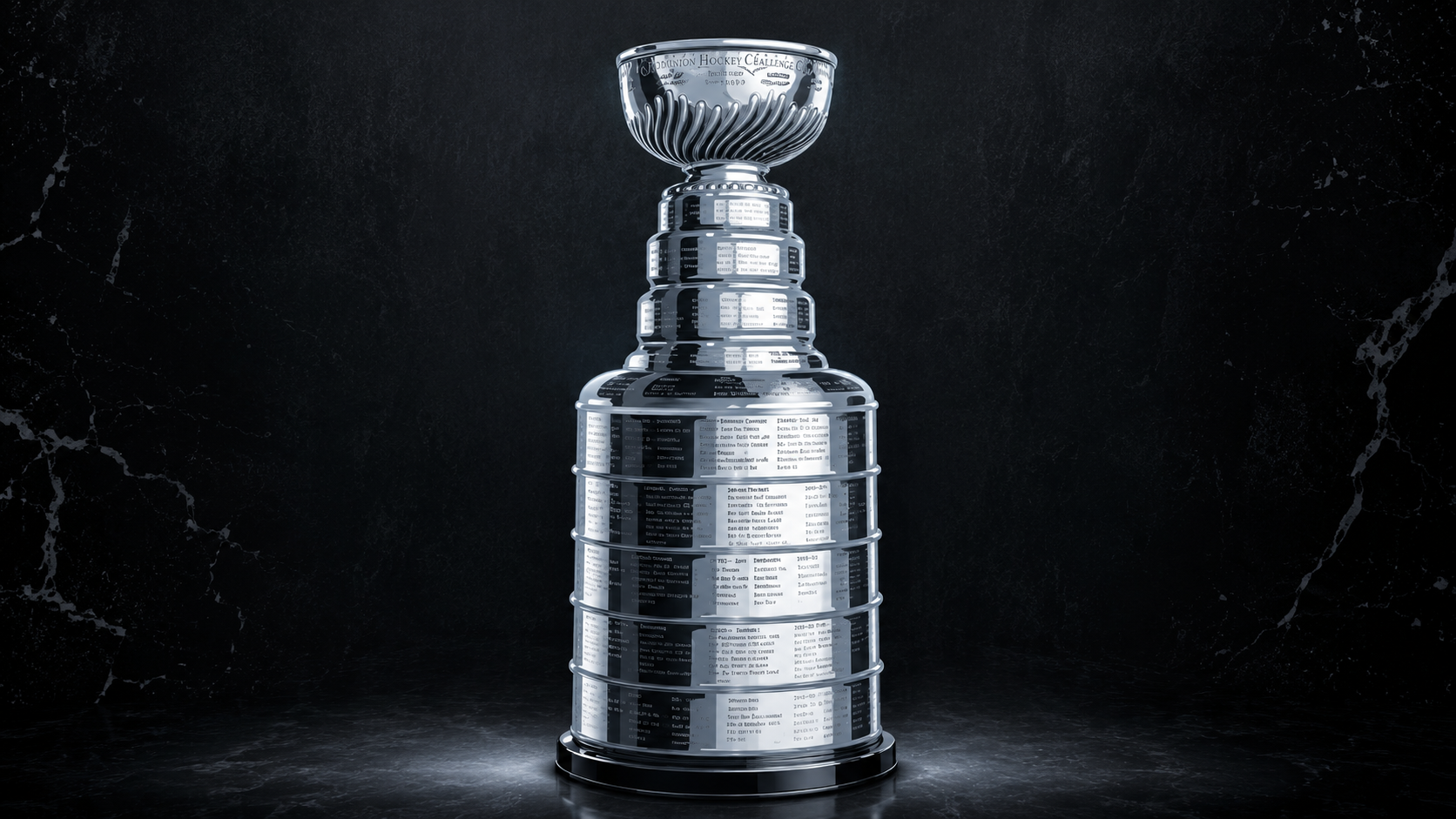
Image credit : @nhlaus via instagram
The 2026 Stanley Cup Playoffs have reminded everyone, in an obvious way, that in pro sports while other leagues pick a “best” team, the NHL more or less crowns the survivor. Not just who looks good on paper. The road to the Stanley Cup is basically a two-month gauntlet, and it’s this mix of top-tier technical stuff with physical and mental endurance that feels unmatched compared to the “Big Four” North American leagues. And by the time a captain finally lifts the trophy in June, they’re usually walking around with a roster that has survived sixteen wins, over four rounds, which players keep calling “absolute warfare”.
The Physical Toll of the 16-Win Gauntlet

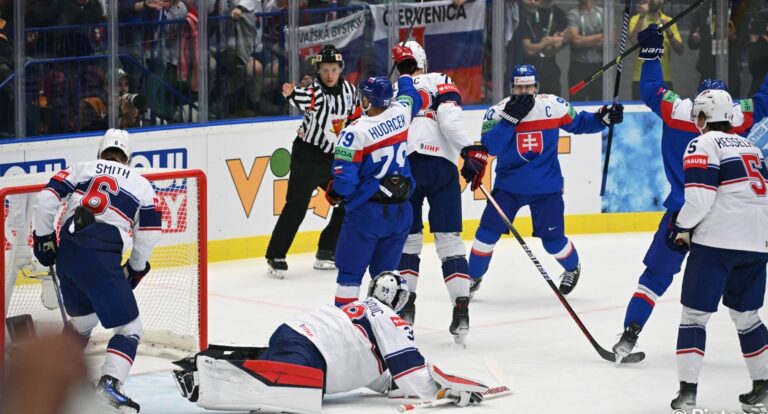
Moving from the regular season to the postseason in hockey is like flipping a switch on intensity and during the 2025–26 regular season, teams averaged around 40 hits per game but in several recent playoff matchups, those numbers can climb dramatically compared to the regular season. So, this “second season” is not just a phrase, players have to push through injuries that in other sports would get you benched for good or at least long enough to heal.
And unlike the Super Bowl’s one-shot climax, or the NBA where outcomes can lean heavily on superstars and matchups that feel more predictable, hockey has this “weak-link” vibe. One defensive slip, one mistimed line change, and suddenly a full 100-point season can disappear in seconds. Add in the speed element athletes driving themselves forward at high velocities on a razor-sharp blade and every collision turns into a calculated risk. It’s pretty normal in the postseason to watch players limp, or finish a series with broken bones, torn ligaments, and that extreme exhaustion that’s somehow still not allowed to slow them down, because sudden-death overtime doesn’t care.
The Chaos Factor and Tactical Volatility
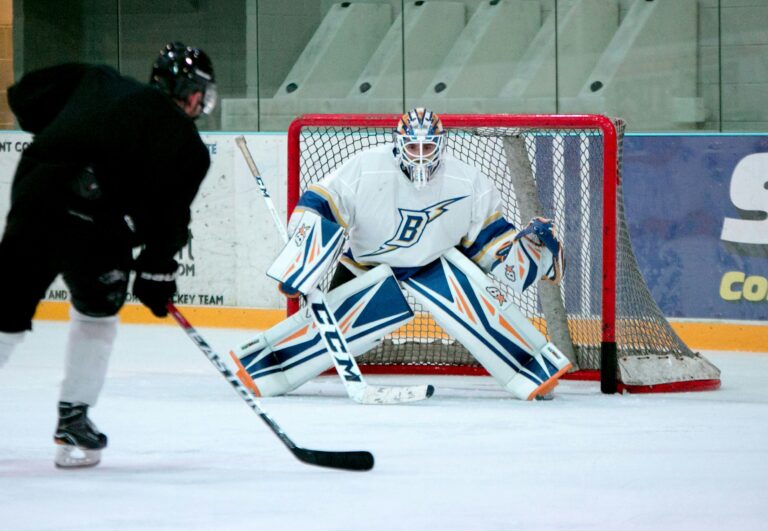
If the bracket feels extra brutal this year, it’s not just because teams are good. It’s because the sport carries real parity and high variance, like anything can tip. There’s the example of teams slowing down elite offensive opponents, and in moments like those you see how a “hot” goaltender can make high-powered systems look almost irrelevant. Strong goaltending performances throughout the playoffs have been a pretty clean example too, because they show how one player in the crease can completely disrupt even elite offensive systems.
Also the division-based bracket format matters, because it can shove top contenders into “meat-grinder” matchups immediately, right in round one. Like, in many playoff years, divisional rivals can end up meeting immediately in the opening round, which guarantees that a real Cup favorite can be pushed out before May even really settles in. This built-in structural “danger” means there usually aren’t any “easy” rounds at all. A championship roster has to have star power, sure, but it also needs depth across four lines, depth that can absorb constant momentum swings and emotional fatigue without collapsing.
The Ultimate Psychological Test
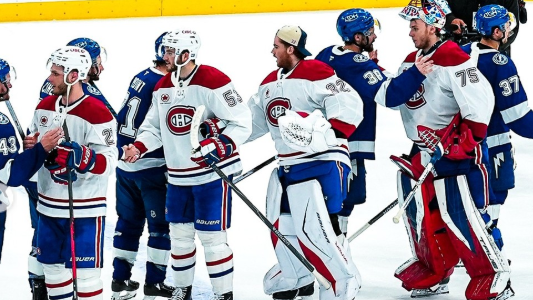
Beyond all the hits, there’s the mental grind. The tradition of the “handshake line” after a series ends is a quiet reminder of what it costs; sometimes the losing team is barely able to raise their arms, because they’re running on fumes. This year’s playoffs have already included injuries that shifted momentum plus several unexpected series outcomes and dominant performances that reshaped the bracket quickly. So again, it comes back to the same point: the Stanley Cup stays the hardest trophy to win, because it asks you to give everything you have, then asks you for more, like it’s routine
About the Author