

Image credit : @Merisoyata via pinterest
The whole landscape of sports media is shifting fast, like a generational thing, where those classic three hour broadcasts are getting less love from people under 34. And in the middle of all that change, ice hockey has popped up as one of the quickest growing sports for youth engagement. When you look at the 2025–26 National Hockey League regular season numbers, average television viewership climbed 23%, basically the NHL’s biggest audience moment in 14 seasons. A lot of it comes down to younger viewers drifting away from traditional “media bundles” and instead chasing digital first, high velocity sports content.
The Velocity of Play and Short-Form Social Strategy
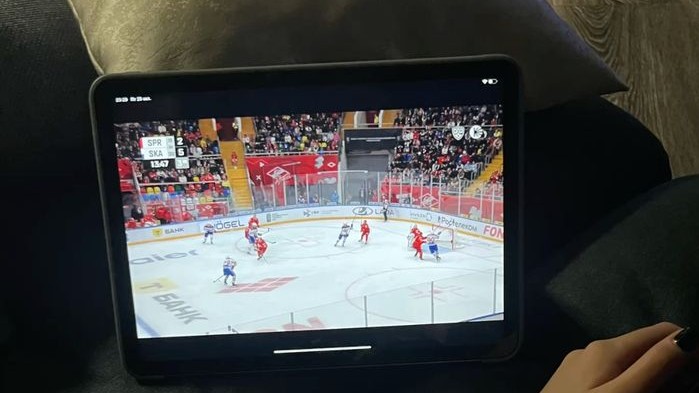
What really pulls younger audiences toward hockey is, honestly, the speed and the physical story of the game, it matches how people scroll now. Unlike some sports that have these long pauses, or lots of commercial breaks that drag, hockey keeps moving with intense action across three 20 minute periods. That rhythm makes it super easy to cut into short form clips, which now serve as the first doorway for Gen Z and millennial fans.
And the NHL’s approach, especially on platforms like TikTok, shows how they’re recruiting attention in this newer way. For the 2025–26 season, the league’s digital content operation pushed past 1 billion views on its European distribution channels alone, averaging 1.16 million views per post. Instead of asking people to sit through a full live broadcast, this plan leans on platform native short videos that spotlight heated matchups, quick end-to-end rushes, and little skill showcases. Some industry takes suggest this “discovery first” method actually turns early online curiosity into an ongoing sense of fan identity
Streaming Accessibility and the Unmasking of Young Personalities
Then there’s the access side, and it’s tied to the messiness of regional sports networks (RSNs). With RSNs fragmenting, leagues have been pushed toward direct to consumer streaming services, which is also where younger viewers already spend time. Digital platforms such as Victory+ have reported triple digit audience growth among youth groups, largely by leaning into free, ad supported, and interactive streaming in big cities. And because the cable subscription cost disappears, hockey can reach a wider group of young viewers, including those from more varied socio economic backgrounds.
At the same time, marketing has shifted from “promote the team, promote the market” to athlete driven stories. The emergence of a more visible younger class of stars—Connor Bedard, Frank Nazar, and Ivan Demidov are some examples—gives younger fans faces they can actually relate to. Documentaries and behind the scenes streaming series also help, revealing personality beyond the ice, and that creates extra narrative tension around regular season matchups. When fans feel like they know an athlete’s career path and their involvement with the stats tends to climb, and so does loyalty to the sport.
Grassroots Innovation and Technological Integration

The last big piece in the youth growth puzzle is tech innovation that lowers the price of entry for playing hockey. Community initiatives, like the 2026 Hockey Innovation Competition, have introduced portable, technology enabled micro rinks into urban spaces. Using synthetic ice tiles, smart pucks, and AI powered motion tracking, these setups recreate the hockey feel without demanding the huge costs that come with building and running traditional ice arenas.
So as digital entertainment keeps blending with physical recreation, hockey sits in a really strong position: real time speed, platform native access, and that extra spark from individual stars. The old broadcast playbook has basically been rewritten, and the NHL’s modern digital ecosystem is starting to set the pace for how pro leagues have to adapt if they want to keep the next generation as consistent consumers, not just passing viewers.
About the Author