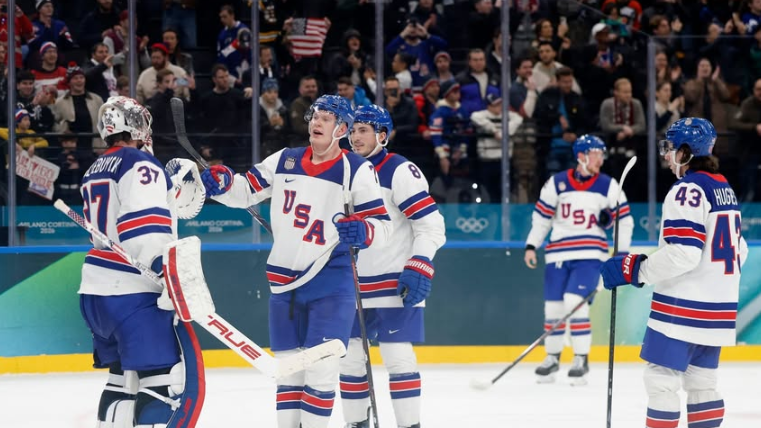
Image credit : @detroitfreepress via facebook
The landscape of American ice hockey entered this not-very-normal expansion phase, pushed by a historic international spotlight at the Milano Cortina 2026 Winter Olympics, plus some real structural changes in how players get developed at home. What used to look like a regionally isolated sport over here in the United States has quietly locked in as a major national athletic pathway. And according to the latest USA Hockey reporting, nationwide registration continues to climb significantly, which signals this big shift not only in backyard, grassroots involvement but also in elite level international readiness.
Milano Cortina Catalyst And The “Elite” Turning Points
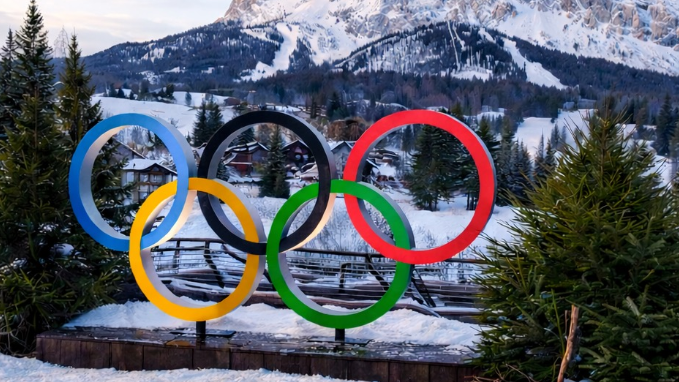
The main push behind this newer surge was the strong international visibility surrounding the U.S. Men’s and Women’s National Teams during the February 2026 Winter Olympics. Both groups delivered deep tournament runs in high-pressure competition against Canada and other international powers. On the men’s side, Connor Hellebuyck remained one of the central figures for the American roster after another elite NHL season, meanwhile the women’s squad continued building around younger stars such as Caroline Harvey, alongside the steady, veteran leadership from captain Hilary Knight.
That elite success also changed the spotlight for American-born talent pretty fast. In 1980, U.S. born players made up about 11% of National Hockey League rosters. But by the end of the 2025–26 regular season, that number had climbed substantially, with American players now representing a significantly larger portion of the league’s total player pool. You can also see this wider geographic reach in the Olympic roster—there are athletes from places that aren’t usually the first hockey thought, like Arizona, Florida, and Texas, alongside the older familiar markets such as Minnesota and Michigan.
Grassroots Expansion, Plus A Broader Demographic Mix
International medals bring a lot of media attention, but the long game depends on what happens locally, inside community programs and not just on TV highlight reels. USA Hockey’s American Development Model (ADM) leans hard on age appropriate skill development, instead of pushing early high-stakes competitive travel for kids. This shift has reduced youth attrition in a pretty noticeable way, which makes the sport easier for families who have to deal with the historically high financial load tied to ice equipment, ice time, and all the rest.
The fastest demographic growth right now is in the women’s and girls’ divisions. After a 5.1% year over year increase in the previous season, female registration continues trending upward heading into the 2026–27 winter cycle. A big reason is the commercial expansion of the Professional Women’s Hockey League (PWHL), which has turned the sport into something you can actually picture as a paid career path for young players across North America, and that’s helped fuel record enrollment in localized “Learn to Play” initiatives.
Structural Issues Still Need Fixing For Longer-Term Momentum
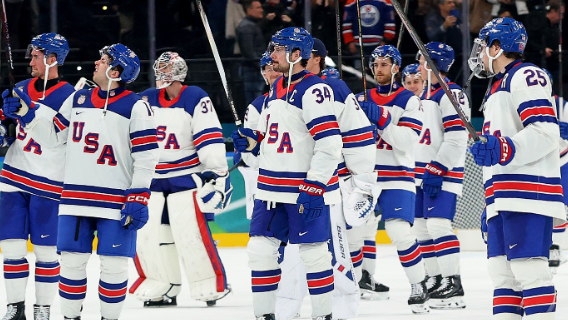
Even with these strong benchmarks, there are ongoing administrative problems, mainly infrastructure and cost access. The new wave of participants has sparked an indoor ice shortage in growth-focused Sun Belt markets, and that’s forcing city officials, plus private developers, to look at multi-sport arena designs as a workaround. On top of that, USA Hockey leaders keep stressing that the real test of the 2026 Olympic surge will show up in the fall registration window, so local associations have to scale up their coaching certification efforts, because demand is climbing faster than the training pipeline.
As the sport moves toward the 2026–27 season, the focus is shifting away from just celebrating podium moments, toward strengthening the local club foundations. The way they’re combining corporate partnerships, league growth moves, and standardized youth coaching modules has been framed as proof that this boom isn’t only a short-lived headline cycle. By stabilizing the jump from public skating sessions into organized league play, American hockey is building a more durable structure, one that can convert temporary Olympic excitement into a permanent, multi generational sports tradition.
About the Author