Image credit : @mcginnyphotography via instagram
The landscape of American youth sports has been shifting hard over the last three registration cycles, and ice hockey is leading the charge, becoming a primary mover for grassroots involvement. It used to get talked about a lot as a regional thing stuck up in the Northeast and the Upper Midwest. Now though youth hockey feels like a nationwide activity, not just a “there” sport. If you look at the newest annual figures from USA Hockey, overall player memberships have continued climbing to record-level territory. That rise is driven largely by increased youth registrations. In other words, this growth is pointing to a bigger change in how the sport gets organized, how it’s funded and how it’s introduced to places that weren’t “traditional” markets before.
Demographic Shifts and Regional Growth Catalysts
What’s happening right now looks tied to geography getting broadened. Minnesota and Massachusetts are still solid, no surprise there, but the fastest growth percentages are showing up in Sun Belt cities. Florida emerged as one of the fastest-growing youth hockey markets in the country, and that pattern seems to be boosted by pro NHL market visibility plus more community-centered recreational rinks. Utah also experienced major youth hockey growth, which has been linked to the arrival of Utah’s NHL franchise and to corporate backing aimed at buying grassroots equipment for new kids.
At the same time, female participation is the fastest-moving segment inside the youth setup across the nation. The registration numbers show female youth participation continuing to rise steadily, bringing participation to some of the highest levels the segment has seen. That momentum seems tied to the visibility of the Professional Women’s Hockey League (PWHL), and also to recent success from the United States women’s national team on the international stage. Some national administrators say international success usually brings a noticeable registration bump around twelve months after the event. So, the thinking is that current programs have to grow quickly, because another wave of five and six-year-olds is expected to sign up soon.
The American Development Model and Structural Bottlenecks
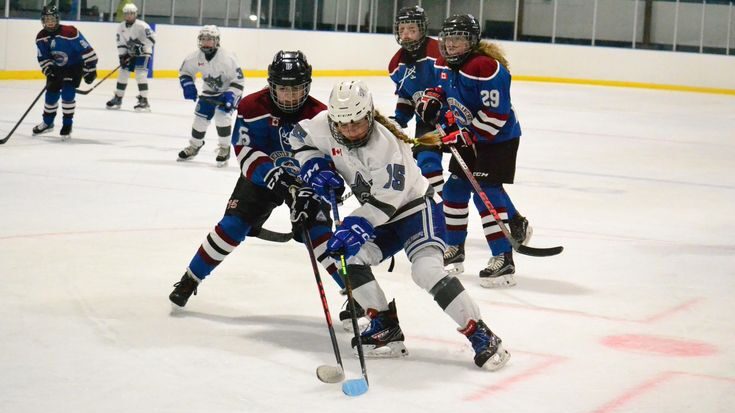
To keep this incoming group from burning out early, youth programs have broadly leaned on USA Hockey’s American Development Model (ADM). Under the ADM approach, training is supposed to be age appropriate, with a lot of attention placed on cross-ice sessions, small-area games, and basic skating rather than full-ice tactical drill work, especially for kids under 10 (like 8U and 10U). When the playing surface shrinks, clubs can drive up puck contact time significantly per session. That speeds skill growth, and at the same time it can reduce the financial burden on parents, because several teams can share the same sheet of ice in the same timeframe.
Still, even with ADM doing a lot of the efficiency work, the biggest obstacle is a shortage of infrastructure. In several fast-growth states, programs are running at peak capacity. Elite and house leagues can fill up registration spots within hours after signups open. With not enough ice time available, you end up with long waitlists, and older children can’t always start unless they begin training by age six. Local municipal boards plus some private equity groups are increasingly discussing public-private partnerships to build facilities with multiple sheets. But the construction schedules aren’t keeping up with what’s needed right now in these regions.
The Emerging Elite Pathway
For the top tier of this youth surge, the pathway to high-level play has gotten more tightly organized. Collaborations involving the National Hockey League (NHL), USA Hockey, and junior development organizations have formalized the Tier I junior route. This effort puts money directly into local club coaching education, video analytics tools and sports psychology workshops and instead of seeing youth leagues as simply casual recreational stops, American hockey is treating them like data-driven developmental testbeds. That framing is helping convert localized grassroots excitement into something more repeatable, with elite international performance as the end goal.
About the Author