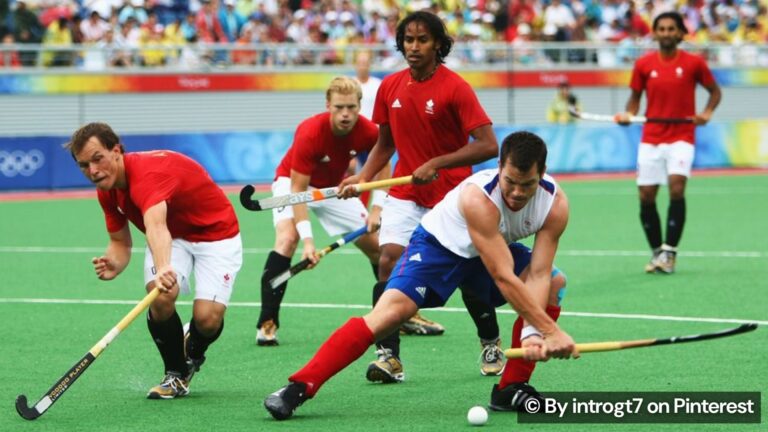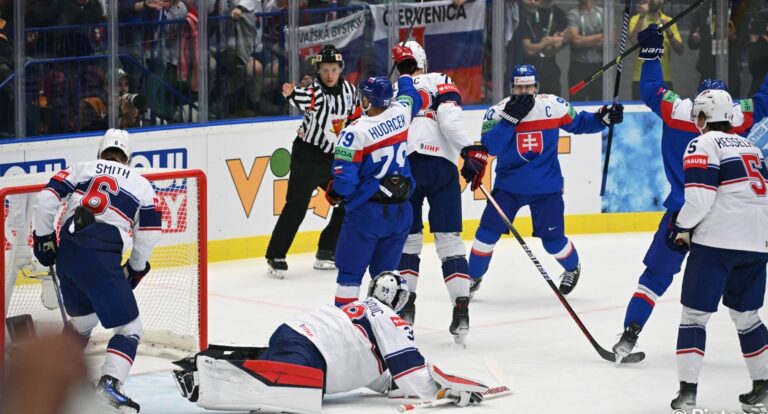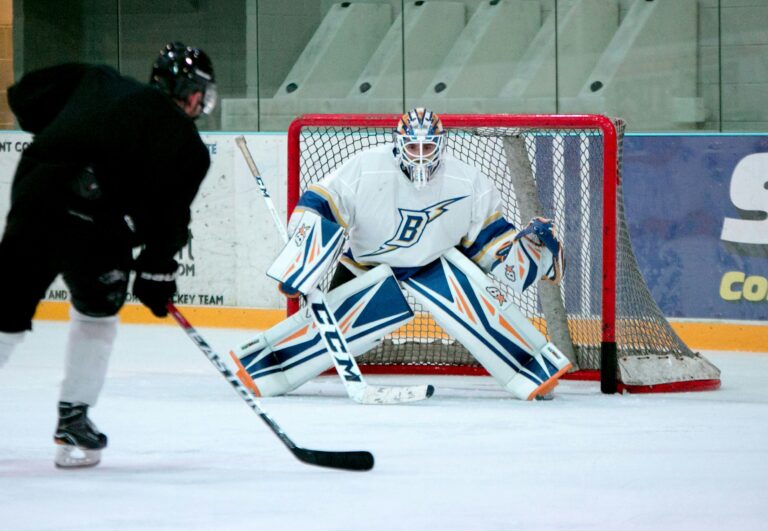

Images credit :@Ashley-Brooks via facebook ,@jerseysmadeeasy/reels via instagram and @nhlnetwork via instagram
In the modern era of professional hockey, with all that salary cap stuff rolling in since 2005 and more international talent now showing up, “success” kinda means more than just counting championships right. Back in the early 20th century you had those “Original Six” dynasties that just felt inevitable, and now it’s more about how long you can stay dangerous like sustained competitive longevity, not only the one big parade. Nowadays, teams don’t so much “rebuild” anymore, they do a kind of retooling, fine tuning, tweaking the roster without losing the whole foundation. In the NHL, the Tampa Bay Lightning and the Vegas Golden Knights are often pointed at as modern management examples and meanwhile, internationally, the United States and Canada keep trading punches at the top in both men’s and women’s hockey.
The Gold Standard of Modern NHL Management

Tampa Bay Lightning really stands out as the closest thing to a modern dynasty. From 2015 to 2022 they made four Stanley Cup Final appearances, including back-to-back Stanley Cup titles in 2020 and 2021 and what’s interesting is they built a “draft-and-develop” kind of machine, which let them grab real difference-makers outside the first round and that’s where players like Nikita Kucherov and Brayden Point fit in and they also locked in a cornerstone goaltender in Andrei Vasilevskiy. That depth mattered, because it kept them competing even with the salary cap limits, basically they built a reliable window of contention that didn’t shut after a couple seasons.
On the other hand, Vegas Golden Knights kind of changed what people expect from expansion franchises and they started in 2017, and since then they’ve hit the Stanley Cup Finals twice, winning their first cup in 2023. Their whole identity has been kind of aggressive, not waiting around forever. They’ve leaned hard into the trade market and they’ve been willing to move older pieces for immediate impact stars like Jack Eichel and Mark Stone. So instead of the slow, awkward bottom-feeder phase that tends to come with new franchises, they skipped ahead and this win-now approach has made them one of the most successful modern expansion stories in professional sports, and it messes with the more patient-building styles you’d associate with older outfits like the Detroit Red Wings or Chicago Blackhawks.
The Evolution of International Powerhouses
And yeah, modern success isn’t only about club teams, it also shows up in national programs. The international pecking order has shifted, and one big reason is how the United States has pushed forward in women’s hockey and the U.S. Women’s National Team has continued to strengthen its status as a modern powerhouse through consistent Olympic and World Championship success. With veterans like Hilary Knight helping lead the program alongside younger stars such as Caroline Harvey, the U.S. program has leaned into a development pipeline that prioritizes transitional speed. That style lets them keep pressing Canada, even though Canada has historically owned the physical, grind it out side of the game.
For the men, the whole picture is getting tighter. The so-called “Big Six” (Canada, USA, Sweden, Finland, Czechia, and Switzerland) still matter a lot but their gaps have narrowed. Finland especially has emerged as one of the most tactically disciplined programs in international hockey. They’ve run a disciplined defensive approach, and over the last decade they’ve consistently competed for World Championship and Olympic medals. This suggests modern success isn’t just about having the largest pool of players, it’s also about coaching sophistication, plus system-based play that makes the whole roster function as one. And as the sport keeps spreading globally, the teams and nations that invest in data-driven scouting and fast execution, kind of high tempo decision making, should stay near the front of the next era.
About the Author