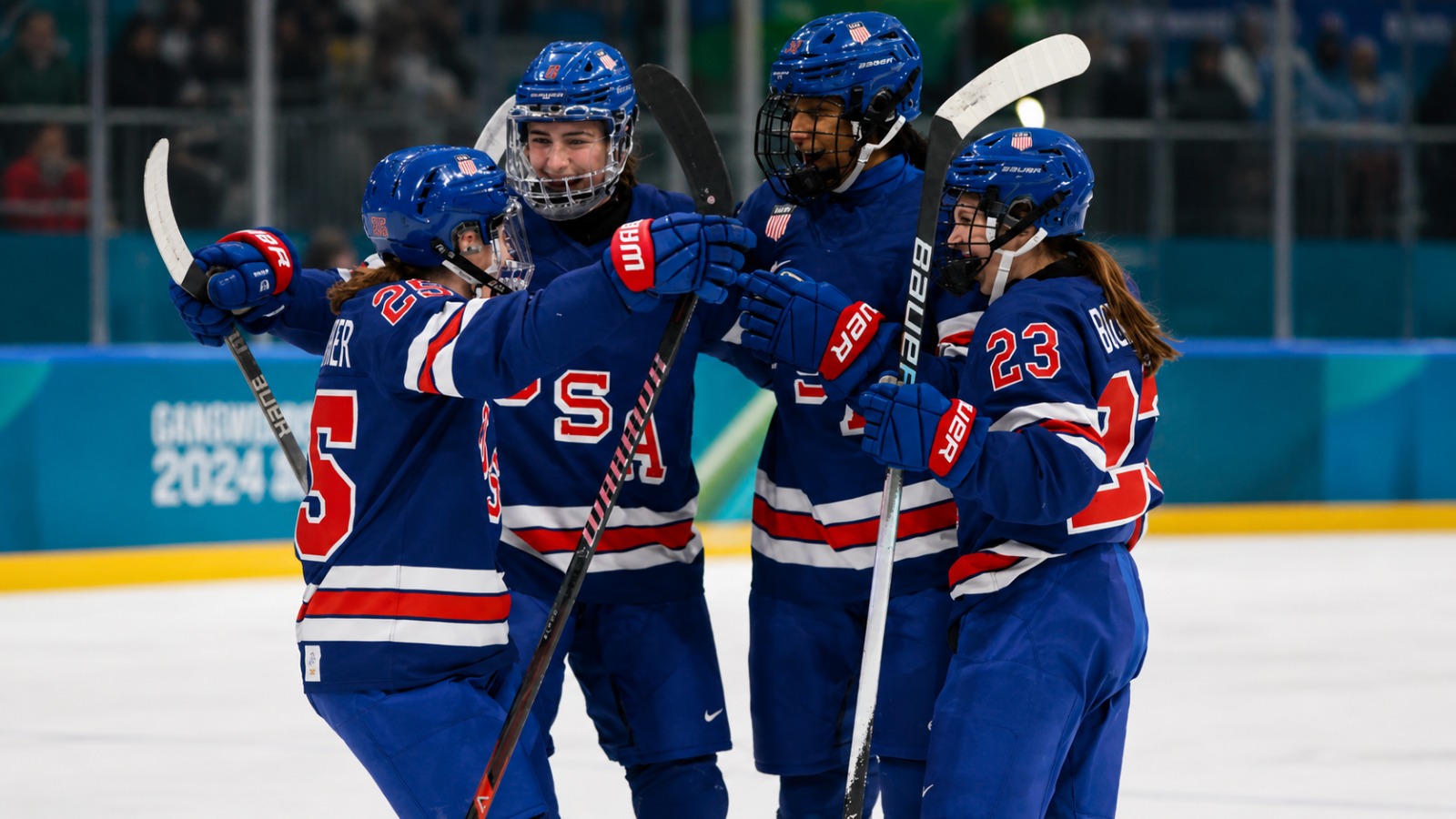
image credit : @TeamUSA via instagram
The landscape of international women’s hockey has evolved from a largely amateur structure into a highly professional global system. The sport has moved beyond the late 20th-century ‘demonstration’ phase and into a modern structure built around the Olympic Games, the IIHF Women’s World Championship, and expanding professional leagues. As of May 2026, the sport feels like it’s reached a new level of international competitiveness, and that’s largely because more money is flowing into grassroots growth, plus training methods that are standardized across North America and Europe, which is the whole point.
The Pivot to Professionalization and the PWHL Impact

The biggest driver in the modern run has been the steadying of pro play thanks to the Professional Women’s Hockey League, or PWHL. Now, in its third full season in 2026, the league has grown into eight main markets, which includes expansion discussions involving markets such as Seattle and Vancouver. Also, Detroit has also emerged as a strong expansion candidate for the 2026–27 period. That structural growth has changed the international scene, because national team players now get year-round, top-tier matches plus resources that feel pro-level, not just “good enough.”
The spillover shows up in tournament outcomes too and in 2026, for the first time ever, the increasing overlap between professional leagues and international tournaments has created year-round visibility for the sport. This nonstop exposure is pushing up the overall “game speed” across international tiers, and European and Asian skaters seem to be benefiting from centralized talent pools and more sophisticated scouting channels that came from the North American pro setup, even if they’re far away.
Olympic Maturity and the Closing of the Talent Gap
The Milano Cortina 2026 Winter Olympics served as a major benchmark for the sport’s competitive growth; the US and Canada stayed in their usual final-round lanes but the 2026 tournament looked more compressed, with a smaller “talent gap” between the top two seeds and everyone else. Switzerland’s bronze win over Sweden, plus the rise of more disciplined defensive approaches in places like Czechia and Germany, points to a tactical shift that used to be reserved mostly for the North American heavyweights.
The numbers from 2026 back up that defensive turn. The United States relied heavily on disciplined defensive systems and elite goaltending throughout its gold-medal run. Put simply, it suggests the “evolution” right now is leaning toward structured, high-intensity defensive rotations, not just raw scoring flash. And as the IIHF Women’s World Championship moves toward its November 2026 dates in Denmark, attention is moving from simple participation to data-driven tactics designed to challenge long-established international powers
Diversification of Tournament Formats and Future Outlook
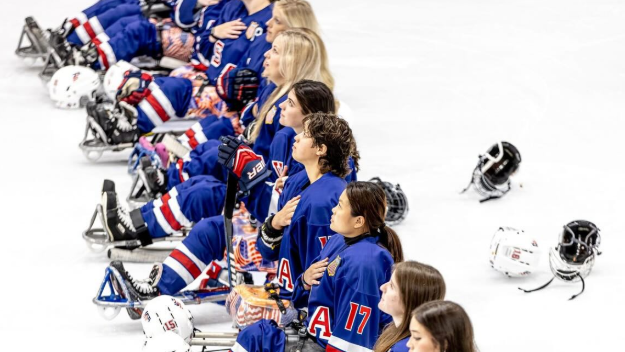
To keep the momentum from stalling, the sport’s governing bodies have been adjusting the competitive calendar, moving beyond the classic formats. The 2026 schedule includes the return of the Women’s Para Ice Hockey World Championships, and there’s also ongoing emphasis on “Takeover Tour” events that bring high-level hockey into new expansion markets and nontraditional hockey locations. On top of that, professionalization is trickling into the collegiate layer too, including the addition of a new NCAA Division I program at the University of Delaware.
And when the PWHL reportedly surpassed record attendance levels in 2026, it signaled that the evolution of women’s hockey has reached this point where commercial stability and elite play are not fighting each other anymore. The sport increasingly appears to have established a sustainable foundation for long-term global growth.
About the Author