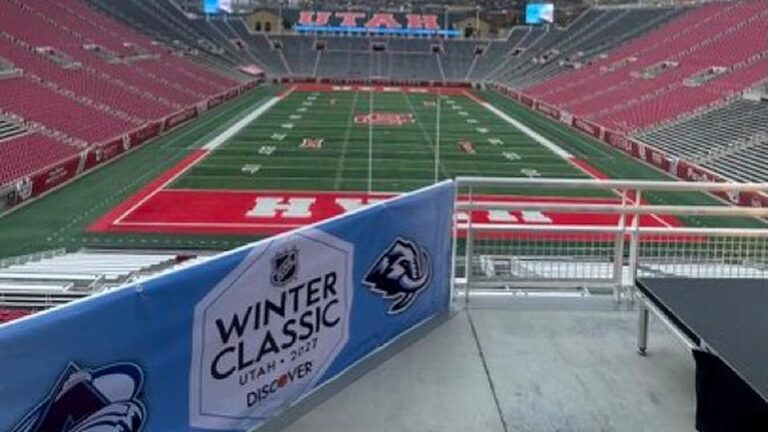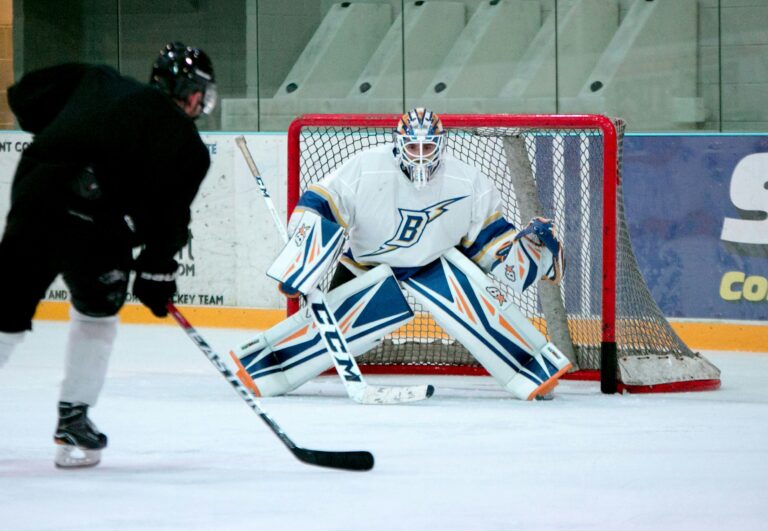

Image credit : @bardown, @bradleyjamesdesign and @builtinbuffalo_ via instagram
The later rounds of the Stanley Cup Playoffs showed how narrow the margin for error can become, one bad shift and suddenly a season can collapse and teams like Carolina and Colorado continued building momentum toward deeper postseason runs, but several other rosters watched carefully built regular-season structures unravel once playoff pressure intensified and if you dig into what the recently eliminated squads did wrong, and also look at the tension building across the remaining matchups, it becomes pretty clear why some teams struggled once elimination pressure arrived.
The Philadelphia Flyers: Overwhelmed By Relentless Transition
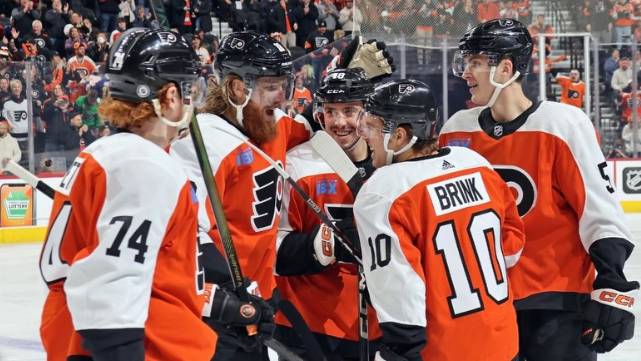
Philadelphia’s run ended in a difficult playoff exit against Carolina. The Flyers came into the second round with tactical momentum after handling Pittsburgh but they couldn’t properly adjust to Carolina’s relentless high-pressure forecheck. The structural problems showed most clearly on special teams, where Philadelphia struggled to generate consistent power-play production.
In the closeout game, Philadelphia still managed to force overtime behind strong goaltending performances. But once you look under the hood, their possession structure looks overwhelmed. In the final stages of the game they consistently lost possession battles in transition areas, getting pushed backward before offensive sequences could properly develop. Carolina eventually capitalized on a transition breakdown in overtime, and Philadelphia was left staring at depth concerns heading into the offseason.
The Minnesota Wild: Solved By Colorado’s Offensive Changes
In the Central Division- Minnesota struggled to contain Colorado’s speed and transition pressure. The Wild briefly regained momentum during the series, including a strong goaltending performance from Jesper Wallstedt, but they ultimately lacked the defensive depth necessary to slow Colorado’s adjusted zone-entry patterns.
Minnesota’s elimination highlighted a major weakness: too many high-danger scoring opportunities allowed around the crease and Wallstedt repeatedly faced difficult second-chance situations as Colorado’s pace forced breakdowns deep inside the defensive zone and the offense still showed flashes through players like Kirill Kaprizov and Brock Faber; but Minnesota’s defensive rotation struggled to keep up with Colorado’s transition speed and against elite offensive teams, even strong goaltending can only cover so many structural lapses.
The Anaheim Ducks: Depth Issues Exposed By Vegas
Anaheim ended its postseason run against the Vegas Golden Knights after showing early competitiveness in the series and the Ducks managed to stay within reach through stretches powered by younger offensive contributors but the final games exposed major defensive-zone issues.
The turning point came once Anaheim’s coverage structure started breaking apart late in tight situations. By the final matchup, repeated defensive-zone turnovers and unstable puck management created constant pressure against their own net. Goaltender Lukáš Dostál faced repeated cross-seam chances, and without a consistent answer for Vegas’ heavy cycle game, the younger Ducks roster gradually wore down under sustained physical pressure.
Atlantic Division Battle Pushes Both Teams To The Brink

Unlike some of the more one-sided series elsewhere; the Atlantic Division matchup turned into one of the tighter battles of the postseason and momentum repeatedly swung back and forth as both teams adjusted their special teams structures and defensive coverage.
Buffalo responded with stronger offensive pressure and sharper puck movement during the later stages of the series and while Montreal struggled at times to stabilize defensively under sustained pressure and the matchup became a strong example of- how quickly playoff momentum can shift once confidence changes- especially when special teams execution and defensive composure begin to fluctuate under elimination pressure.
About the Author