
Image credit : @Scoutingtherefs via youtube
The business and operational landscape of the National Hockey League is getting shaken up, in a way that could alter how rosters are built and how the schedule is laid out. It all comes from the latest Collective Bargaining Agreement discussions, the CBA extension talks between the league and the NHL Players’ Association, and these changes are aimed at financial tactics that have drawn plenty of side-eye from the more traditional fans. With tighter payroll boundaries potentially arriving during the postseason and also a longer regular season under consideration, the league is essentially pushing general managers to stop doing short-term roster tricks and instead focus on something more durable, longer-horizon depth.
The Postseason Salary Cap and the Death of the LTIR Loophole
The most immediate and the most tactical shift being discussed is the possibility of playoff cap compliance, and it’s a pretty big one. For years, front offices have leaned on a “loophole” tied to Long-Term Injured Reserve, or LTIR. Under the old structure, the salary cap effectively stopped applying once the regular season wrapped up. That meant teams could park expensive contracts on LTIR, pull that freed-up cap relief into deadline-season deals, and then bring back their healthy franchise player right for Game 1 of the Stanley Cup Playoffs, creating a roster that sat far above the statutory limit—at least in practice.
But that financial maneuvering may not last forever. Under the proposed rules being discussed, clubs would have to field a lineup that remains cap compliant during the postseason itself. The league could require teams to submit an official game-day roster of 18 skaters and two goaltenders to the NHL Central Registry before puck drop. After that, an “Averaged Club Salary” would be worked out for that exact set of players, designed to ensure the team stays under a designated cap ceiling. Plus, LTIR cap relief may also be tightened significantly, so teams can’t simply stockpile huge financial advantages and then unfurl them later. In the end, the competitive balance would shift back toward organizations that manage cap space in a steady way across the full 82-game stretch, not teams that mostly bank on trade-deadline adjustments.
The 84-Game Expansion and Preseason Reduction
Even though roster management discussions are happening right away, the structure of the actual hockey calendar may also move toward a bigger change starting in September 2026. The NHL has reportedly explored expanding the regular season from 82 to 84 contests. To keep player wear-and-tear under control and still land the Stanley Cup awarding around mid-June, the league has also discussed shrinking the preseason schedule.
This calendar tweak creates a few strategic variables. Adding two extra regular-season games would raise the odds of late-season fatigue, so coaching staffs would likely lean harder on four-line depth and goalie tandem usage, instead of letting their top names play heavy minutes for long stretches and on the other hand, trimming preseason games would narrow the rehearsal period so coaching staffs would get fewer chances to test prospects in real live action before those games actually count in the standings.
Roster Safety and Individual Expression
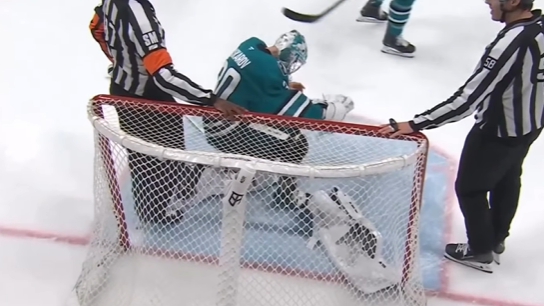
There are also discussions that touch both small on-ice procedures and the off-ice atmosphere. One proposal involves modifying emergency goaltender protocols, where teams could eventually carry a designated third goaltender who travels and practices with the primary roster more consistently. That idea would reduce reliance on the older local emergency backup goalie system, the EBUG setup. Off the ice, the league has already loosened some of its strict corporate dress-code expectations- allowing players more freedom away from the mandatory jackets-and-ties image that defined earlier NHL eras.
Taken together, these financial, calendar and cultural adjustments feel like a real modernization, one meant to define the route to a championship around organizational depth and long-term roster management, rather than around loopholes or last-minute cap work.
About the Author