Image credit : @lizzchild via instagram
Professional hockey is kind of rooted in tradition, but in the modern era, player safety can no longer be treated like it’s just some secondary vibe under old-school looks. After years of really heated arguments, strict structural trials , and a bunch of real-world “wake up” moments that hurt to watch, hockey’s top governing groups basically set in motion a huge safety overhaul.
The game is sliding into a more regulated technical world. From historic labor deals to tighter international tournaments, there’s a wave of new safety and equipment requirements that’s going to reshape how players look, and also how organizations stay accountable. For front offices, equipment people, and the athletes, working through this protective structure is the off-ice obstacle that’s defining the year.
The Official NHL Neck Protection Mandate
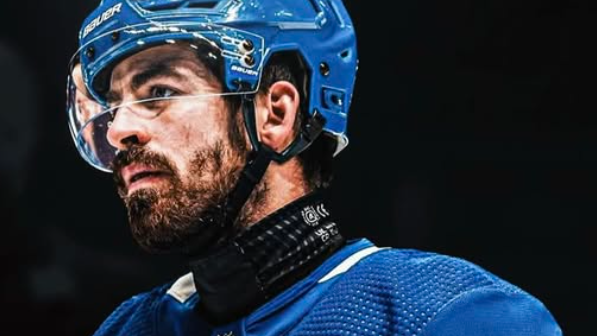
The biggest player-safety change is the formal move to fold in the cut-resistant neck protector mandate into the NHL’s core rules and after the tragic on-ice passing of former NHLer Adam Johnson in late 2023 from a skate-blade laceration, lower levels like the AHL, ECHL, and USA Hockey moved quickly and made protective neck gear non-optional.
The NHL, though, was caught in a tangled mix of player preferences. At first, it left the call up to each individual, so the baseline stayed low, where just under 8% of players chose to wear them. But yeah, that time of full autonomy is now basically done. With the newly ratified structural arrangement between the league and the NHL Players’ Association, cut-resistant neck guards will be strictly mandatory for every new player who debuts starting in the 2026–27 season.
And this is where it gets similar to the earlier history of mandatory helmets in 1979, and visors in 2013, because the rule includes a standard grandfather clause. Any active veteran with at least one regular-season NHL appearance before the upcoming season stays exempt from the mandate. Still, even with that break, organizations are preparing for a cultural shift that’s not subtle. As New Jersey Devils General Manager Tom Fitzgerald argued in recent executive sessions, leaning into preventative safety instead of clinging to old aesthetic comfort is, in his view, a non-negotiable step for today’s game.(NHL Network – Tom Fitzgerald Interview on Neck Guard Mandates and Cut-Resistant Gear)
The IIHF’s International “No Exceptions” Approach
While the NHL is rolling things out step by step, international hockey is going with a stricter line and the International Ice Hockey Federation (IIHF) requires approved neck protection in all major international events and senior level tournaments.
This policy was already active during the 2026 Winter Olympics in Milan and Cortina d’Ampezzo. In other words, every player competing under IIHF rules , including NHL athletes on national rosters, had to wear approved neck protection. Personal preference was basically no longer a factor once players stepped into the international competition format.
For veteran players who spent most of their careers without neck protection, switching to new equipment rules meant a notable comfort adjustment. Manufacturers replied by building lighter, thinner, moisture managing protective materials. The idea is to keep mobility and airflow intact while still delivering strong cut resistance.
The Tightening Standards Around Goalie Equipment
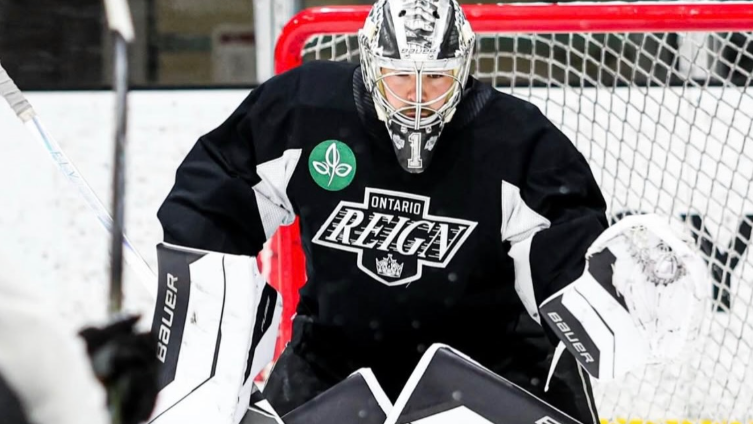
Beyond neck protection league operations departments are continuing to apply tighter controls to goaltending equipment dimensions and the goal is to protect players and still keep competitive fairness, while also maintaining the offensive rhythm of the modern game
Under current standards, goaltender pads, blockers and upper body gear are routinely measured to confirm they stay within approved sizing limits and if teams are found in violation- they can face penalties or league discipline.
This push for standardized goalie equipment points to a wider effort to protect competitive integrity and instead of letting oversized gear shrink scoring chances in an unfair way, the league keeps pushing toward the middle ground- safety, mobility and fairness all at once.
The Changing Identity Of Hockey Equipment
Taken together, these mandates are not just random rule tweaks. They point to a broader cultural shift in professional hockey itself. For years resistance to new equipment standards often came from appearance, comfort, or plain old tradition. That attitude is slowly getting replaced by a more science driven view of long term player safety.
Modern protective gear is increasingly being built to integrate into performance wear, using lighter materials and more flexible constructions. That reduces interference with skating mechanics, and overall movement. The aim isnt only piling on extra padding. It is developing protection that works alongside elite athletic performance, instead of against it.
As leagues keep refining safety standards, the identity of the sport keeps changing too. Hockey’s future is being shaped by speed and skill, yes, but also by how well the game defends the athletes playing it at the highest level
About the Author