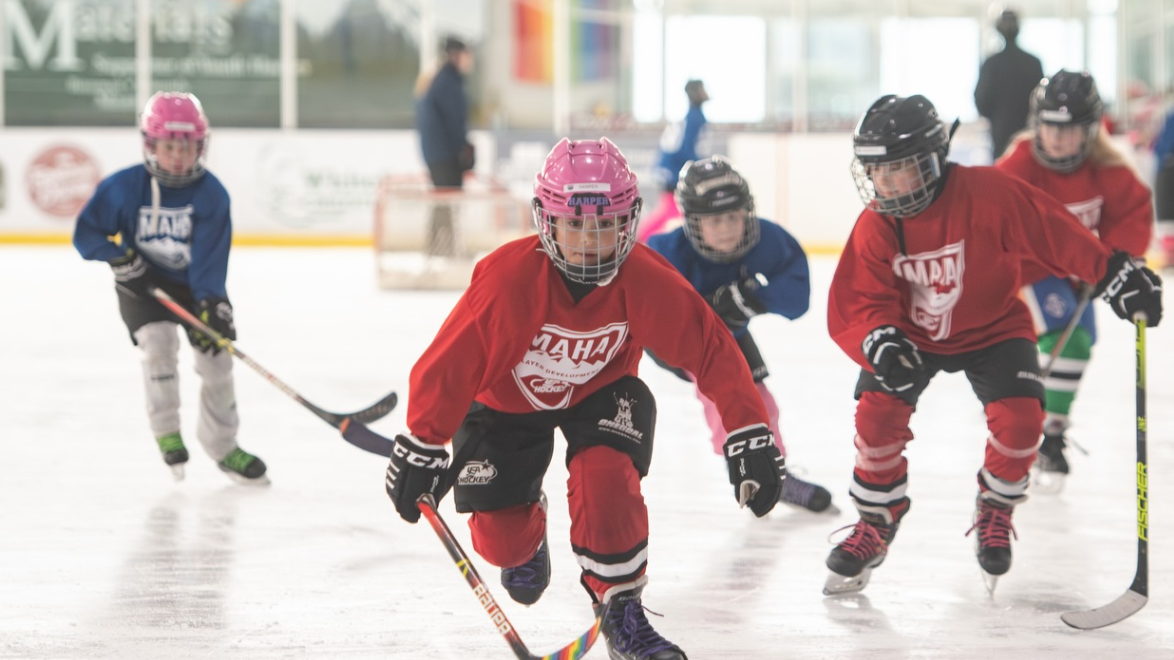
Image credit : @MontanaAmateurHockeyAssociation via facebook
The institutional foundations of professional and amateur hockey are basically being yanked around in a same time radical overhaul. For years, the National Hockey League and the junior development pipelines ran on these boringly predictable, decades-old templates. But now, as the sport heads toward the 2026–27 calendar, you can feel a wave of monumental legal, financial and structural adjustments rolling in. From those multi-million dollar boardrooms in the NHL, down through the collegiate ranks, the big changes will reshape how rosters are assembled, how assets get managed, and even how the game is actually played.
1. Enforcing the Playoff Salary Cap: closing the LTIR loophole
For a long time, one of the most argued competitive edges in the NHL was that playoffs didn’t really have a true salary cap the way people expected. Elite hockey operations teams would use Long-Term Injured Reserve (LTIR) relief during the regular season, essentially shelving high-salary players so they could scoop up replacement talent before the trade deadline. Then, once postseason rolled around, those injured stars would return, almost like it was staged, letting teams put out active game-night rosters that exceeded the financial ceiling by millions.
That “workaround” has become one of the league’s most debated structural issues. Under the newly discussed collective bargaining framework, the NHL is exploring ways to enforce stricter salary-cap accountability during the playoffs. Teams may eventually have to submit game-night rosters that fit within a regulated salary structure tied more closely to regular-season compliance. General managers can’t just bulk up the roster for spring runs anymore without facing heightened scrutiny, so they’ll need steadier financial discipline across the full calendar year.
2. The $104 Million Frontier: cap ceiling starts rising fast
Even with playoff spending getting tightened, the overall financial pie is growing, and it’s growing quickly. The NHL has informed its member clubs that the upper salary cap limit is projected to climb sharply over the next several seasons, potentially reaching the $104 million range by the 2026–27 season. That would represent a major jump from the previous flat-cap era and bring real economic room into a market that had been financially constricted after the pandemic cycle.
This sudden spike could flip offseason decision-making upside down. Teams that were stuck because of impending contract extensions for key superstars suddenly get enough breathing room to handle high-stakes re-signings and also pursue premium middle-six depth in free agency. Rebuilders, though, don’t get the same flexibility. They may still have to absorb pricier short-term veteran contracts from cap-stressed opponents in return for draft equity that could pay off later.
3. Shorter contracts, less game prep runway
The way player contracts are built is also drifting toward more team-friendly guardrails. League executives and labor analysts have increasingly discussed reducing the maximum length of long-term contracts in future bargaining cycles- aiming to reduce aging deals that become difficult to move later in the cap era.
At the same time, the league continues exploring ways to adjust the seasonal workload. Discussions surrounding- schedule expansion, divisional rivalry optimization and shorter preseason formats have all gained traction in recent years and any reduction in preseason games would significantly alter how coaching staffs evaluate bubble prospects and how teams build tactical chemistry before October.
4. The NCAA-CHL Pipeline Merger: rewriting recruiting incentives
The most disruptive shake-up, beyond the pro side, is happening at the amateur level and after a historic policy turn, the NCAA dismantled its long-running amateurism barrier. That means players with Canadian Hockey League (CHL) major junior experience can now gain NCAA eligibility. Before this, playing in the OHL, WHL, or QMJHL effectively labeled a teenager as “professional” in the eyes of American collegiate sports. So prospects had to choose, at age fifteen, a single developmental route—and once the choice was made, it was treated like an irreversible lock.
Now the two worlds have merged in practice, and that’s upending global talent acquisition. Big NCAA Division I programs are now recruiting elite, major-junior-tested teenagers who often arrive older, stronger, and already closer to NHL readiness than they were in previous eras. You can already see the ripple effect in the momentum from 2026 draft prospects who have started committing to major US college programs. The result is a hyper-competitive collegiate talent environment, while junior clubs also have to reassess roster stability, especially in an era shaped by Name, Image, and Likeness (NIL) money, plus the transfer portal’s flexibility.
About the Author