
Image credit : @erieotters via instagram
Championships in professional sports usually aren’t taken by just standing still. Sure, long-term draft rhythms and organic roster growth set the floor, but to really drag an organization over the finish line you need a front office that’s willing to go loud, and manage risk in a more bold, aggressive way. Once a team spots a wide-open competitive window, pulling off a high-stakes, blockbuster roster swap can rewrite how the whole league’s tactical math works.
And whether you’re staring at the high-leverage calls that decided the end of the winter sports calendar, or the off-season moves that are already looming like a warning label for next-cycle dynasties, three different blockbuster maneuvers feel like the true championship deciders.
The Aggressive Mid-Season Rental: Securing the Missing Tactical Piece
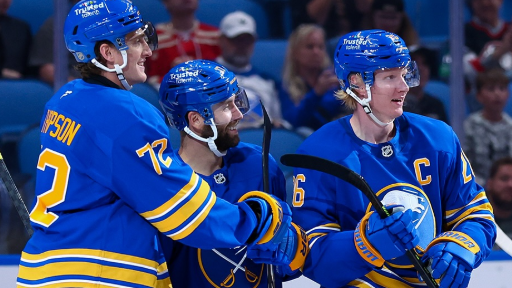
The fastest way a front office can change its championship odds is by turning future draft capital into a quick, proven veteran acquisition, usually right before the trade deadline. These transactions are high-danger, but they’re not meant to patch big structural issues inside the organization. Instead, they’re hyper-focused, surgical strikes that target a specific on-ice deficiency.
Add an elite top-six playmaker or a shutdown defenseman, and suddenly you can stabilize spatial tracking and special-teams output even while playoff pressure is in the room with everyone.
Also, the locker-room psychology matters a lot more than people want to admit. When management spends premium future assets, it tells the players in plain language that the organization is fully committed to winning right now. That talent injection forces opponents to split their defensive attention; which often creates favorable matchups deeper down the depth chart and ends up being the exact little margin that decides a brutal seven-game postseason war of attrition.
The Crease Revolution: Upgrading the Positional Anchor
No other role in professional sports feels as capable of hijacking a championship as the goaltender. A team can have clean puck-moving habits, and run a suffocating five-man forecheck, but if the netminder is shaky the whole structure can fall apart in seconds, like the seams just pop and when the opportunity exists, the ultimate championship accelerator is pulling the trigger on a blockbuster trade for an elite, proven starter.
Bringing in a top-tier goaltender changes how a head coach can deploy defensive tracking and with a true positional anchor guarding the crease, defensemen can commit to a more aggressive, high-press plan along the blue line, because they’re trusting the goalie to handle high-danger rushes, and to isolate those messy secondary rebounds.
When that crease stability clicks, it wipes out an opponent’s offensive momentum, and turns a talented roster into something insulated, championship-caliber, and harder to break.
The Visionary Cultural Reset: Reshaping Roster Identity
Sometimes the defining blockbuster move isn’t about stacking the most individual skill, it’s about pulling off a massive structural and cultural reset. Front offices get stuck with rosters that look amazing on spreadsheet dashboards, yet somehow they choke when time pressure gets heavy. Breaking that pattern can mean making a courageous, blunt decision: trade away a popular, expensive core player to completely reshape what the team is supposed to be.
By moving on from an established star, management opens up serious salary-cap flexibility, and can build a more balanced system that’s more identity-driven. This pivot lets the organization slide away from passive perimeter tendencies, and go hard into a relentless, high-tempo four-line forecheck, where physical tracking matters, and shot-blocking becomes a deliberate priority.
Sure, these are risky deals, and they’ll invite intense local media heat, but reallocating financial resources to create a deep, versatile, structurally disciplined model is exactly how historic, logic-defying championship runs get engineered.
About the Author