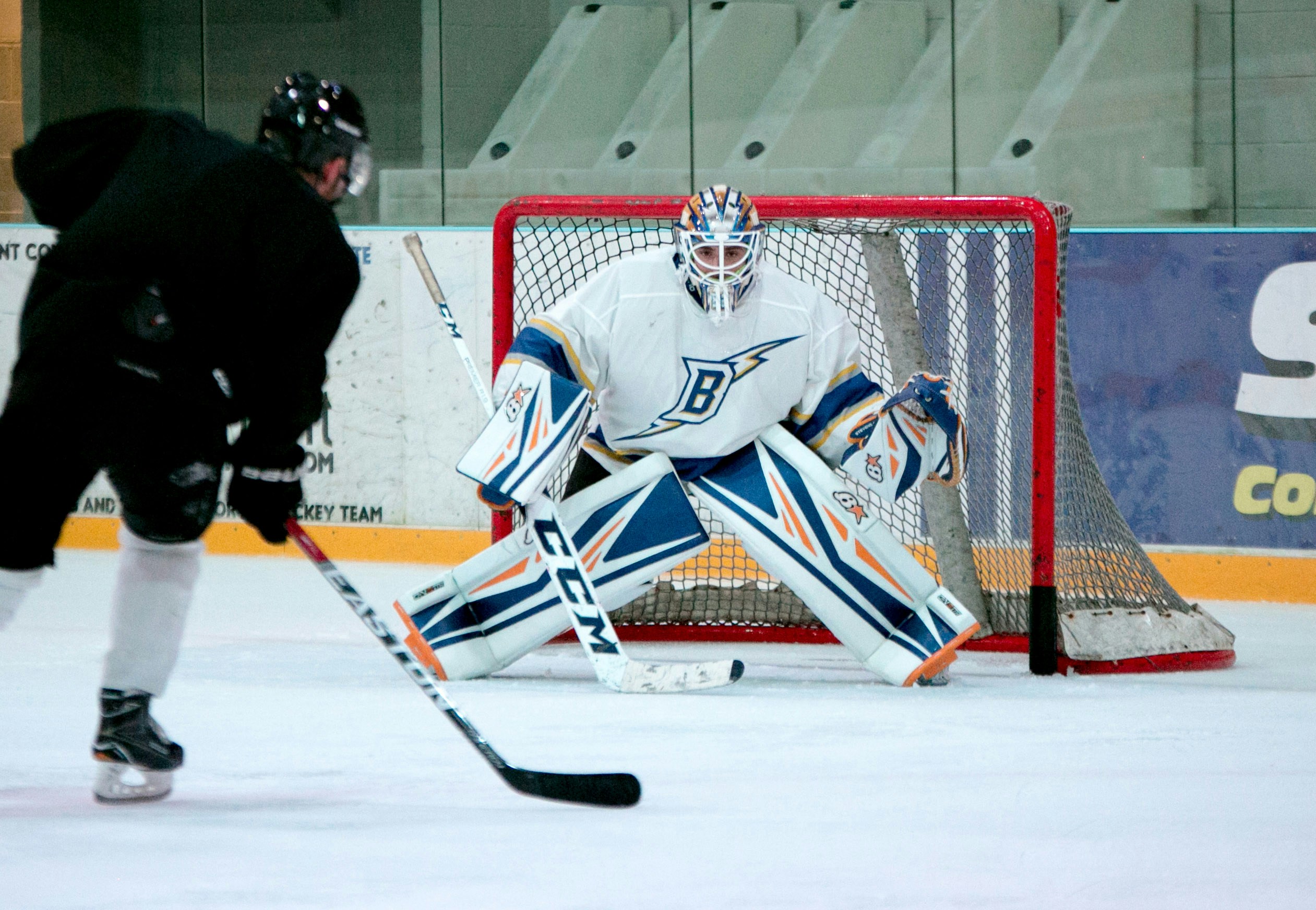
Photo by <a href="https://unsplash.com/@tsbcreative?utm_source=unsplash&utm_medium=referral&utm_content=creditCopyText">Andy Hall</a> on <a href="https://unsplash.com/photos/man-taking-aim-for-goal-on-hockey-goalie-ZH9NCQKLyMg?utm_source=unsplash&utm_medium=referral&utm_content=creditCopyText">Unsplash</a>
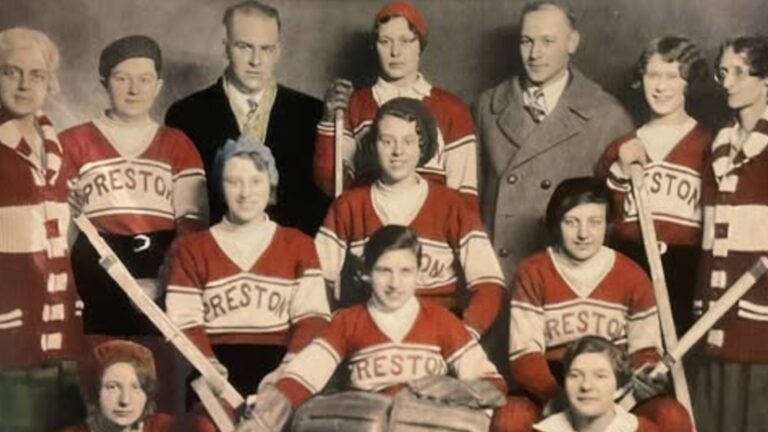
Fifty years ago when you attended an ice hockey game, what you saw on the ice bore little resemblance to what happens on today’s rinks. From rules around bodychecking and fighting to changes around goaltender’s equipment and shootouts in place of ties, the sport of ice hockey has changed dramatically over the years.
From Brutal Beginnings to Structured Play
While many of these changes have occurred in recent years, others have been tweaked time and time again for decades. Bodychecking, for example, has always been a part of ice hockey but at one time, it was permitted all across the ice sheet. Forward passes were also illegal in hockey but the addition of the red line meant that players had a choice as they had more ice to cover. While this didn’t take away from bodychecking or physical play in any way, the increased space led to faster rushes and put a premium on speed and timing instead of muscle and size. Offsides has gone through its share of tweaks over the years as have icing rules to arrive to what we have today. Even offsides was added to eliminate teams sitting on the crease. At one time, referees were content to let the players sort out their own problems via fighting. However, this along with obstruction has been limited greatly to speed things up and keep the play going. Icing has gone through several phases itself to arrive at its current state.
Safety Finally Takes Centre Stage
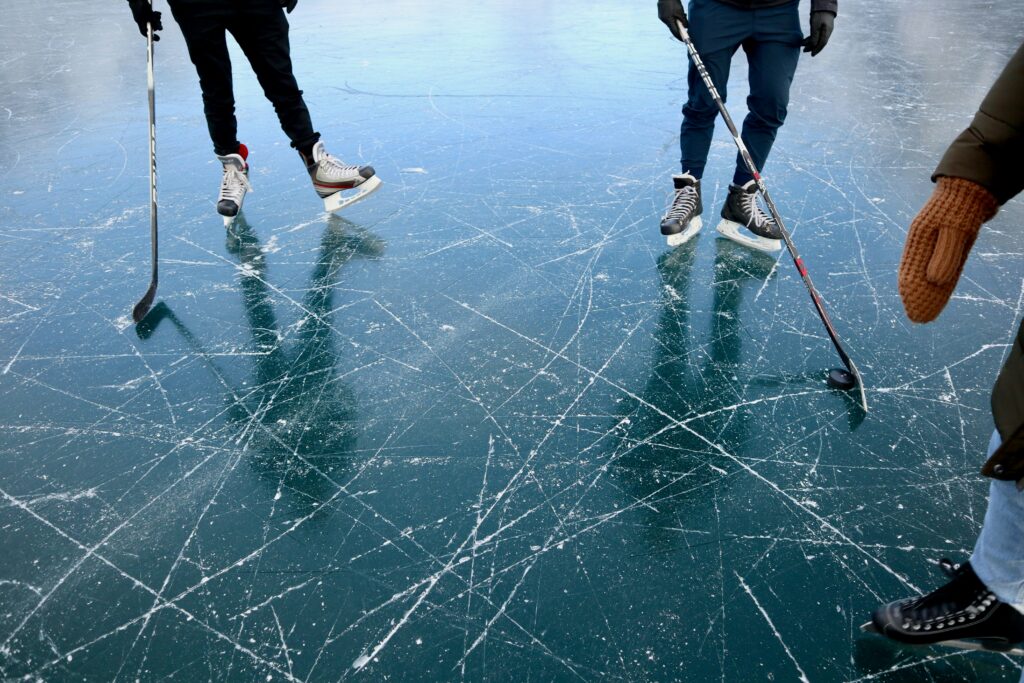
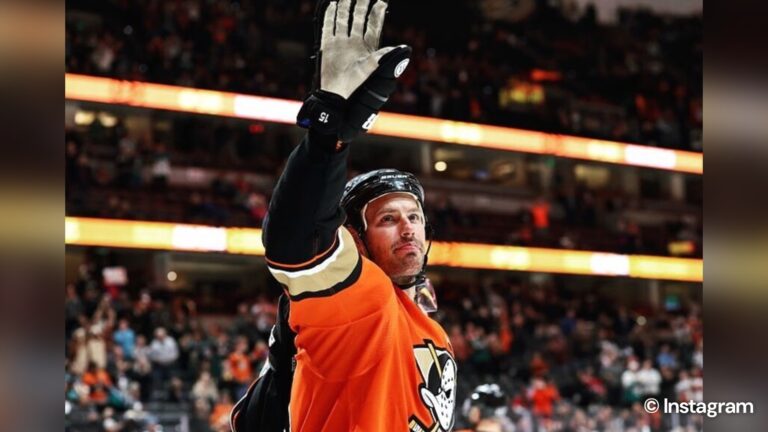
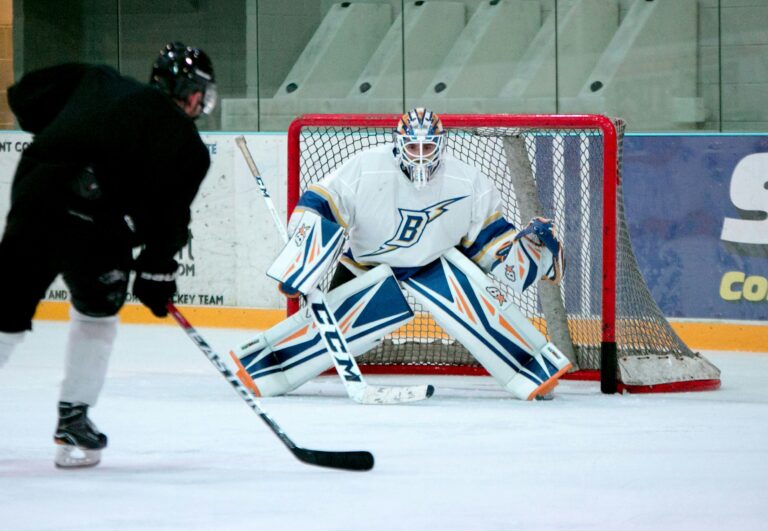
Changes around player safety have long been a lower priority in ice hockey as evidenced by helmets being a player’s choice and not mandatory. But, as more has come to light about head injuries and their long term effects, helmets are a must and so are heavier penalties for infractions for players who target other player’s heads. Fighting has also been the target of more crackdowns as has any infraction that could lead to an on ice injury. Goaltenders pads have gone from sheets of paper to what seems like heavy armour as a result of some rough treatment behind the net as well. While player safety is by no means perfected in today’s game, it has gone a long way since being an afterthought to being a top priority.
Technology and Fan Experience Change the Game
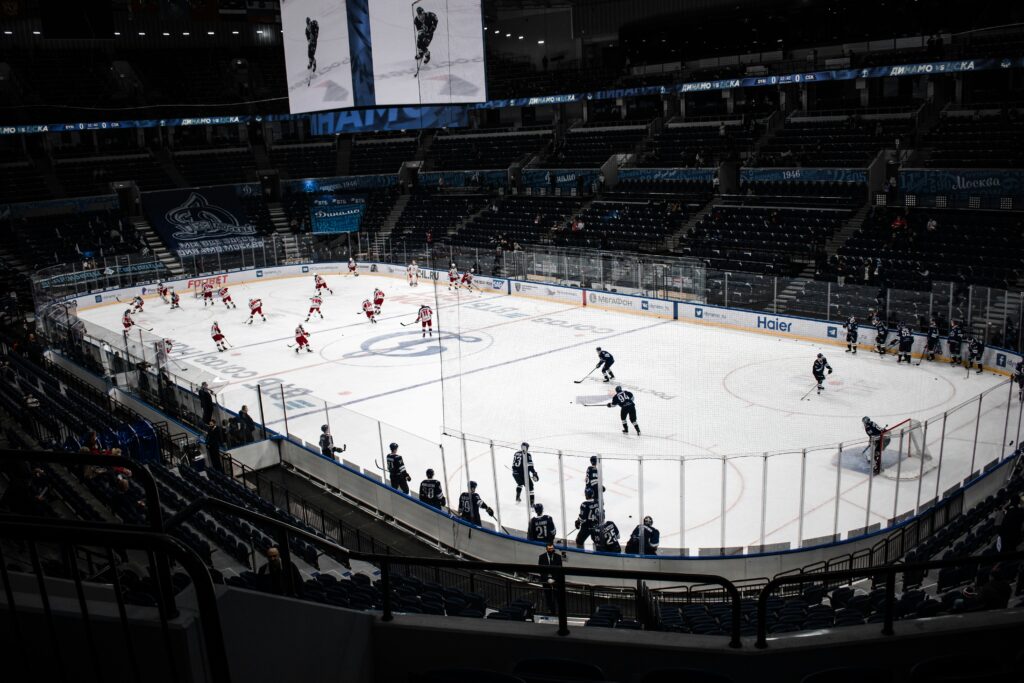
More recently, leagues have looked at implementing change for change sake or rather implementing change as a result of advancements elsewhere. This could be in reference to goal line technology and the video official to take away any doubts or conjecture as to whether the puck fully crossed the goal line or not. Perhaps more noticeably though, are changes that have been made to give fans what they want. Shootouts have replaced ties to end games on more of a cliffhanger as opposed to a shrug of the shoulders. There has been tweaks to overtime formats in the past as well as stricter enforcement of infractions like obstruction to minimize the amount of grabbing that goes on and keep the pace of play a breathless affair from start to finish.
Ice hockey, like many other professional sports, has changed drastically over the years to get to where it is today. Fans can expect to see more changes down the road as well as the sport continues to adapt to accommodate not only for technology but staying one step in front of potential injuries and remaining relevant with fans. There’s no doubt there will be plenty more discussion around the league offices about other potential rule changes in ice hockey.
About the Author