Image credit : @CanadianHistoryEhx via facebook
The whole architectural history of the National Hockey League gets split into different eras, but the “now” NHL is basically the product of parity, very specialized physical training, and that salary cap leash that cages the record books. Sure, some individual career markers still get waved at by generational talent, but there’s this certain rung of numbers, individual and team ones, that went from being hard to crack into something close to mathematically impossible to touch.
And when you look at what today’s sports science is actually doing, plus how the league has shifted, it becomes pretty clear which hockey records are basically never coming down again.
The Individual Mount Everest: Wayne Gretzky’s 2,857 Career Points

To really get how ridiculous it is, you have to see the huge gap between Wayne Gretzky and basically everyone else in NHL history; Gretzky finished with 2,857 total points and Jaromir Jagr, the next guy, is still sitting around a thousand points back at 1,921.
The wild part is the inner math of the claim. Even if you subtract all 894 of Gretzky’s career goals, his 1,963 assists by themselves would still leave him as the top scorer in the sport.
So what would it take for a current-world superstar like Connor McDavid to even nibble at that record? They’d need to run at roughly a 140-point pace for more than twenty straight seasons, no real dip, no injury shut-down, not a single “down year” break in the rhythm. And with today’s defensive systems built around shot suppression and defensive zone tracking, that 2,857 ceiling feels sealed up like it’s been soldered.
The Endurance Anomaly: Glenn Hall’s 502 Consecutive Goalie Starts
Nowadays, teams treat goaltender workload like a key analytics problem, not just a coach’s gut feeling. Most top netminders don’t regularly clear 60 starts in an 82-game schedule, and the front office tends to split duty between starters so the lower body doesn’t slowly melt from fatigue, stress, and joint wear.
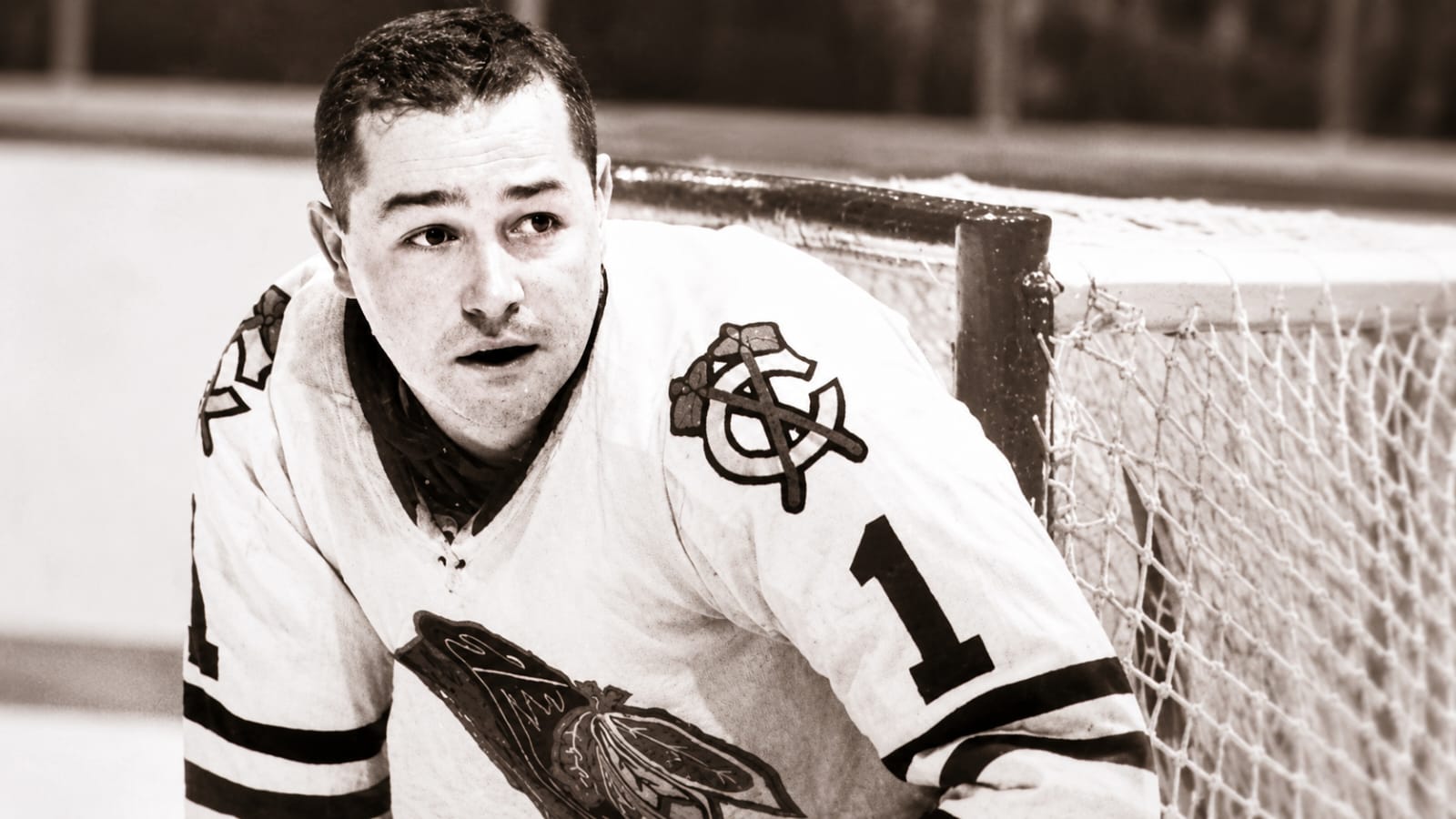
That reality makes Glenn Hall’s run feel like something from an old myth. Between 1955 and 1962- “Mr. Goalie” started 502 straight regular-season games for the Chicago Blackhawks.
Hall basically played over seven years in a row without taking a true night off. He did it while dealing with severe illnesses, small structural strains, and the hard mental weight of playing goaltender back then, when there wasn’t a modern fiberglass face mask setup to lean on. Any modern coaching staff trying to push a starter to even 75 straight games would get stopped immediately by organizational policy and medical staff. With how today’s butterfly style works your hips and knees, Hall’s 502 streak is, realistically, locked in safely.
The Rookie Blitz: Teemu Selänne’s 76-Goal Rookie Campaign
These days when a high-end rookie finally arrives, scoring 30 goals is the universal “wow” number, the one that automatically gets you grouped with elite Calder Trophy types. Organizations also tend to shelter young talent, they manage ice time, and they line up matchups with depth opponents so the rookie doesn’t get slammed immediately by the full speed and physicality of the NHL.
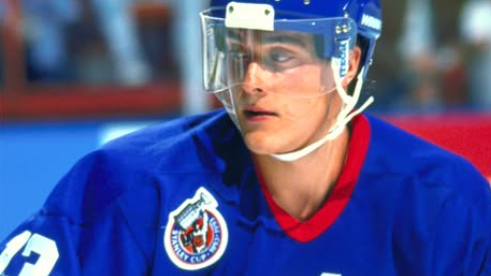
But in 1992–93, Teemu Selänne wiped that whole developmental expectation off the map. The “Finnish Flash” posted 76 goals and 132 points in his rookie season with the Winnipeg Jets.
He even tied Alexander Mogilny for the league lead in goals that year, using a fast, explosive stride that basically had defenders reacting half a second late, again and again. If you want a quick reality check, only a few veteran superstars have managed to hit 60 goals or more across the last couple of decades, and that’s over entire seasons, not just a rookie month. Plus, rookies now get tracked and evaluated heavily with video data before they ever step onto an NHL ice surface, so no first-year player is likely to be given the open space and margin needed to reach 70 goals again.
The Dynasty Standard: The Montreal Canadiens’ 5 Consecutive Stanley Cups
From 1956 through 1960, the Montreal Canadiens grabbed five straight Stanley Cup championships, putting together a dynasty that nobody has truly mirrored and that run happened during the Original Six era, where a title team only needed two rounds of postseason navigation to get it done. Still, the modern league structure works like a different machine now, and that difference protects this record from getting challenged.
Part of it is the hard salary cap, which punishes sustained dominance in a very direct way. When a modern team wins back-to-back cups, their depth guys start costing real money on the open market. The front office has to sell off pieces, reshuffle the lineup and keep trying to stay under the cap ceiling and winning 20 consecutive playoff series now while dealing with massive roster turnover and constant expansion parity reads as a logistical impossibility, not just an unlucky storyline.
About the Author