Image credit : @cameronguzzo via instagram
The 2025–26 NHL campaign will be remembered as the year international hockey… basically redefined the domestic league in a way that felt not entirely gradual. For more than a decade, the NHL schedule ran in its own bubble, separated from those best-on-best global tournaments that used to really stir the whole sport up. But then, the introduction of the 4 Nations Face-Off in February 2025, plus the return of NHL players to the Winter Olympics in Milano Cortina, has changed a bunch of things: team chemistry, player fatigue, and even how tactics get drawn up, league-wide.
The 4 Nations Catalyst and Tactical Carryover
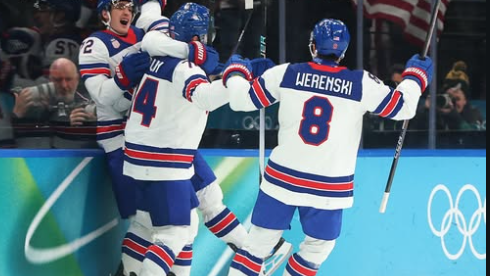
That mid-season pause for the 4 Nations Face-Off became this pivot moment for a bunch of NHL clubs. Canada’s emotional overtime win over the United States did more than just give fans a national show—it also shifted how domestic squads operate. The tournament forced elite players from rival NHL teams to align on top-line pairings, almost like they had been practicing together for weeks even if they hadn’t. The chemistry that formed during the tournament has, in a very visible way, seeped back into NHL transitional play. Coaches are leaning into faster, east-west passing looks, like that high-tempo vibe somehow travels home with the players.
Still, there’s the other side. The physical bite of the tournament turned into immediate weak spots. It felt like a playoff-level atmosphere, and some high-minute defenders arrived back near the end of the regular season carrying extra physical wear and tear. For teams that lean hard on defensive depth, the mid-season international grind basically exposed structural holes. And those are the types of issues minor-league call-ups have a hard time truly mending. So the league is seeing a pretty direct line between international involvement and late-season domestic slumps.
The Milano Cortina Roster Squeeze
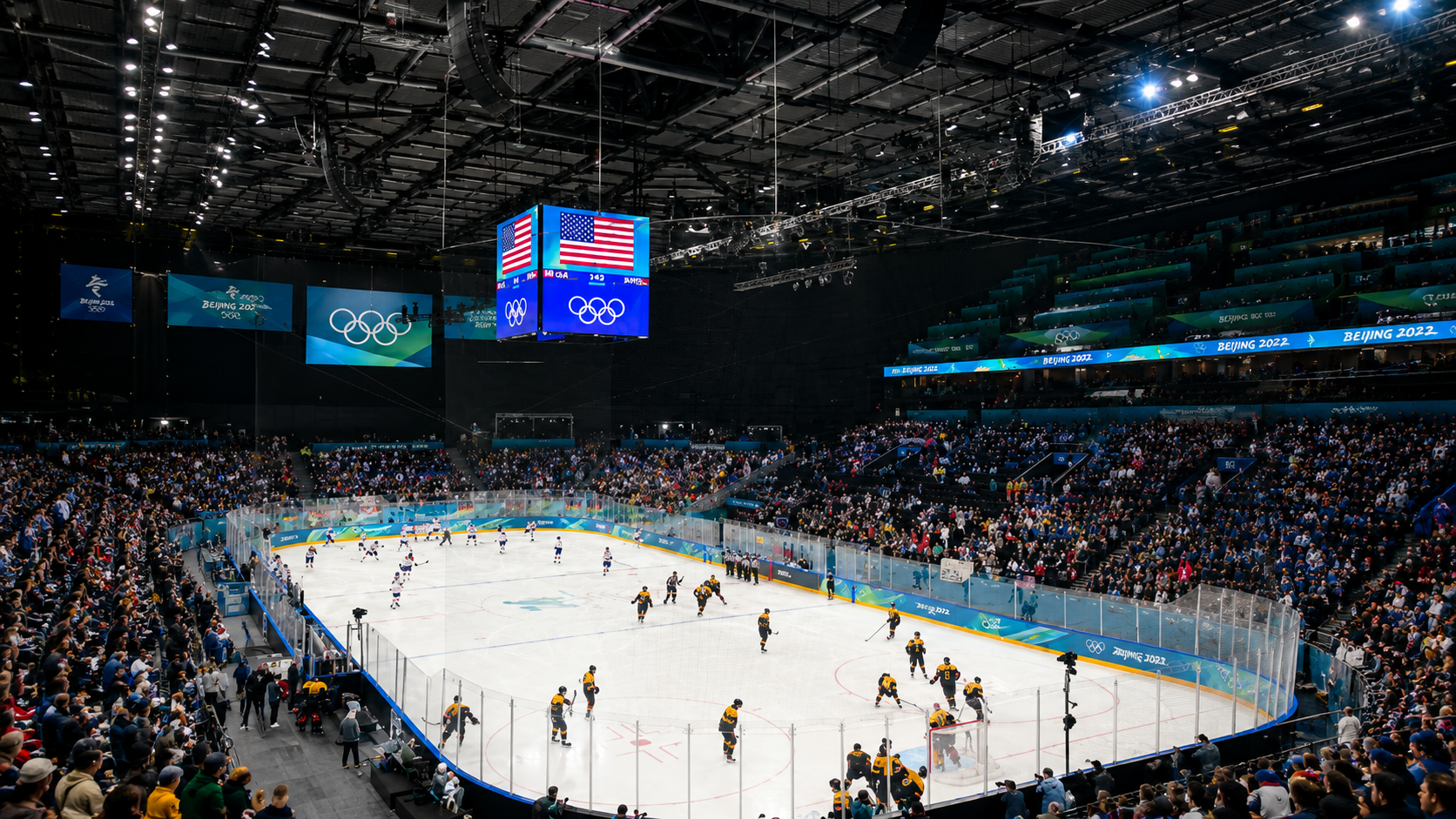
As nations began shaping Olympic rosters in early 2026, that brought in this extra psychological variable. Front offices are basically wrestling with it while they’re also thinking about the Stanley Cup Playoffs. Teams like the Colorado Avalanche and the Minnesota Wild had their own internal pressure because multiple players from each franchise were selected to represent different nations and that type of recognition shifts the usual locker-room pecking order a little too.
In Minnesota, young goaltender Jesper Wallstedt’s selection to Team Sweden sped up his development lane, and it boosted his confidence heading into those high-pressure postseason matchups against Colorado. But at the same time there’s anxiety—injury risk can hang over everything during an Olympic cycle in winter. So coaches have been making small, subtle tweaks in how they manage player minutes. The elite stars, now, are dealing with physical demands that feel almost unprecedented. They’re trying to satisfy the organization’s mandate for a Stanley Cup run while also handling the historical weight of an Olympic gold medal, which is not exactly light.
Analytical Impact on Postseason Depth
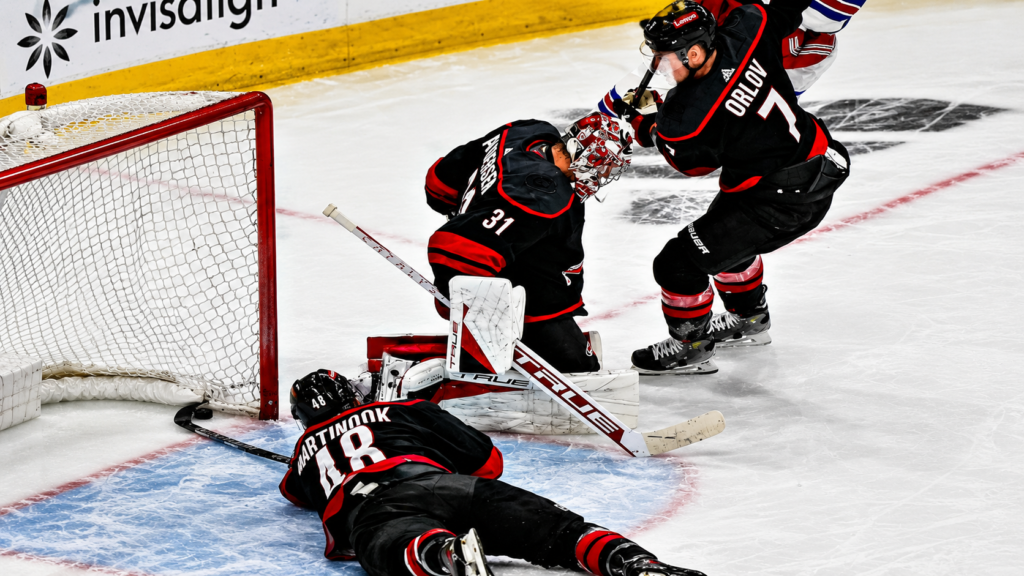
The 2026 season data suggests international competition is widening the distance between top-tier elite talent and the standard everyday roster guys. Players who took part in the 4 Nations tournament and also went through international preparation camps appeared sharper offensively at different stretches of the season. But then, there’s a flip side too: teams have also dealt with more visible fatigue concerns and injury-management issues later in the postseason.
So general managers have had to revisit how they assemble their bottom-six forward units. Role players who stayed primarily domestic, and got those international breaks to rest and recuperate, are currently outpacing fatigued international stars in physical play and forechecking abilities. As the 2026 postseason moves toward the Conference Finals, the real legacy of this international revival won’t only be the medals collected in Boston or Europe, but also which NHL franchise best insulated its roster from the relentless demands of representing king and country, all at once.
About the Author