
Image credit : @pennlive via pinterest
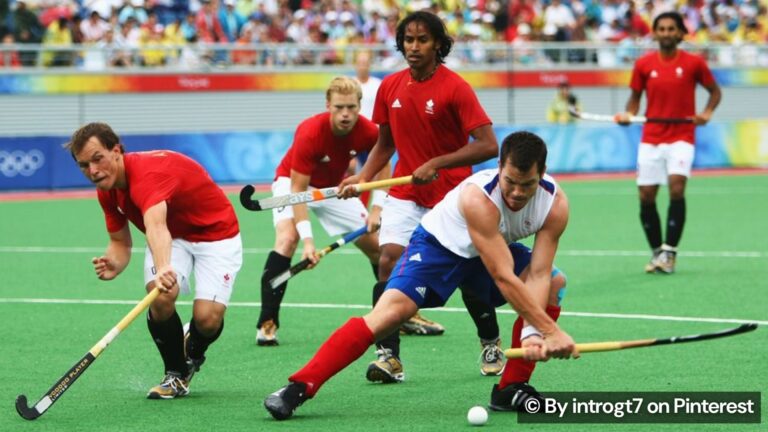
The international hockey sector has changed completely from its previous structure which restricted play to specific regions into a modern sport which showcases fast-paced professional competition throughout the world. The total transformation of both ice hockey and field hockey has emerged through technological breakthroughs which enabled the creation of separate world championship competitions and new regulations about athlete participation in international events.
The Synthetic Revolution and the Need for Speed
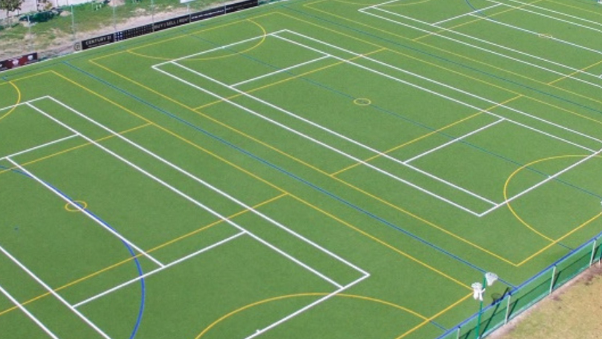
The most important historical development for the sport occurred when players stopped using natural grass fields and switched to synthetic turf fields in the 1970s. The transition from natural grass to artificial surfaces completely transformed the core structure of field hockey. Artificial surfaces made it possible for players to execute their skills with unprecedented technical accuracy because they removed the random bounces which occurred with natural grass fields.
The transformation brought about negative impacts on global political relations. The initial expenses required for installing synthetic fields created barriers which prevented South Asian countries, particularly India and Pakistan, from maintaining their historical power in the sport. European and Oceanic teams developed their current playing style, which emphasizes power-based strength and fast-paced running, because they obtained access to synthetic fields.
Establishing a Year-Round Global Calendar
The Olympic Games served as the only international hockey championship until the 1950s and the Men’s FIH Hockey World Cup launched in 1971, followed closely by- the inaugural Women’s World Cup in 1974. These tournaments broke the Olympic monopoly, creating a high-stakes competitive cycle that allowed the sport to grow independently of the four-year Olympic window.
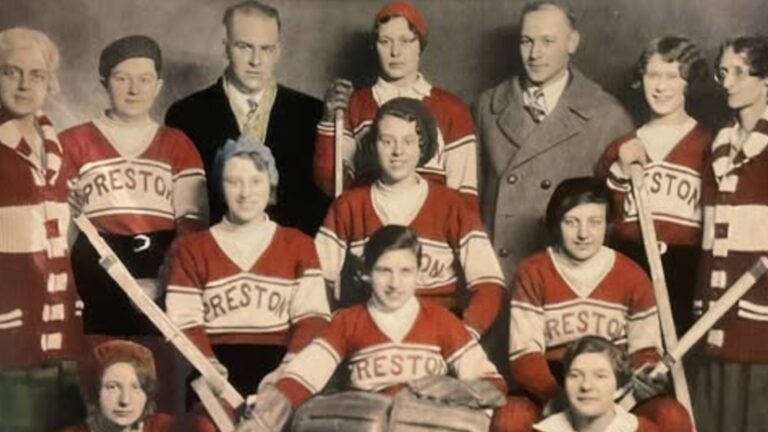
The process of professionalizing ice hockey progressed through several stages in the sport and while the IIHF technically established the World Championships as an independent event in 1930, the Olympic Games continued to double as the official World Championship tournament until 1968. This separation finally allowed both tournaments to develop their own unique identities and commercial value. The FIH Pro League has introduced league-style competition formats which enable teams to test their tactical innovations throughout the year against top teams who match their abilities.
The Professionalization of the Roster
The ‘amateur’ era officially shifted in 1988 when the IOC voted to allow professional athletes, though the true global explosion occurred at the 1998 Nagano Games. That year marked the debut of Women’s Olympic ice hockey and the first time the NHL paused its season to allow its superstars to compete, forever changing the level of play on the world stage.
Safety and Strategy in the Digital Age

The game has become faster, which requires both equipment and rules to develop at the same speed. Safety standards reached a turning point in 1979 when the NHL mandated helmet use for all incoming players. This shift, paired with the rapid evolution of fiberglass and hybrid goaltender masks, was a direct response to rising shot velocities that had made the ‘unprotected’ era of the sport too dangerous to continue.
The Digital Age has brought new analytical tools to the sidelines through the deployment of Video Umpire and Video Goal Judge systems, alongside wearable GPS tracking. Coaches utilize real-time data to observe player fatigue levels and track their positioning on the field, which makes international hockey function as a mental contest between teams while their physical strength competes against each other.
About the Author