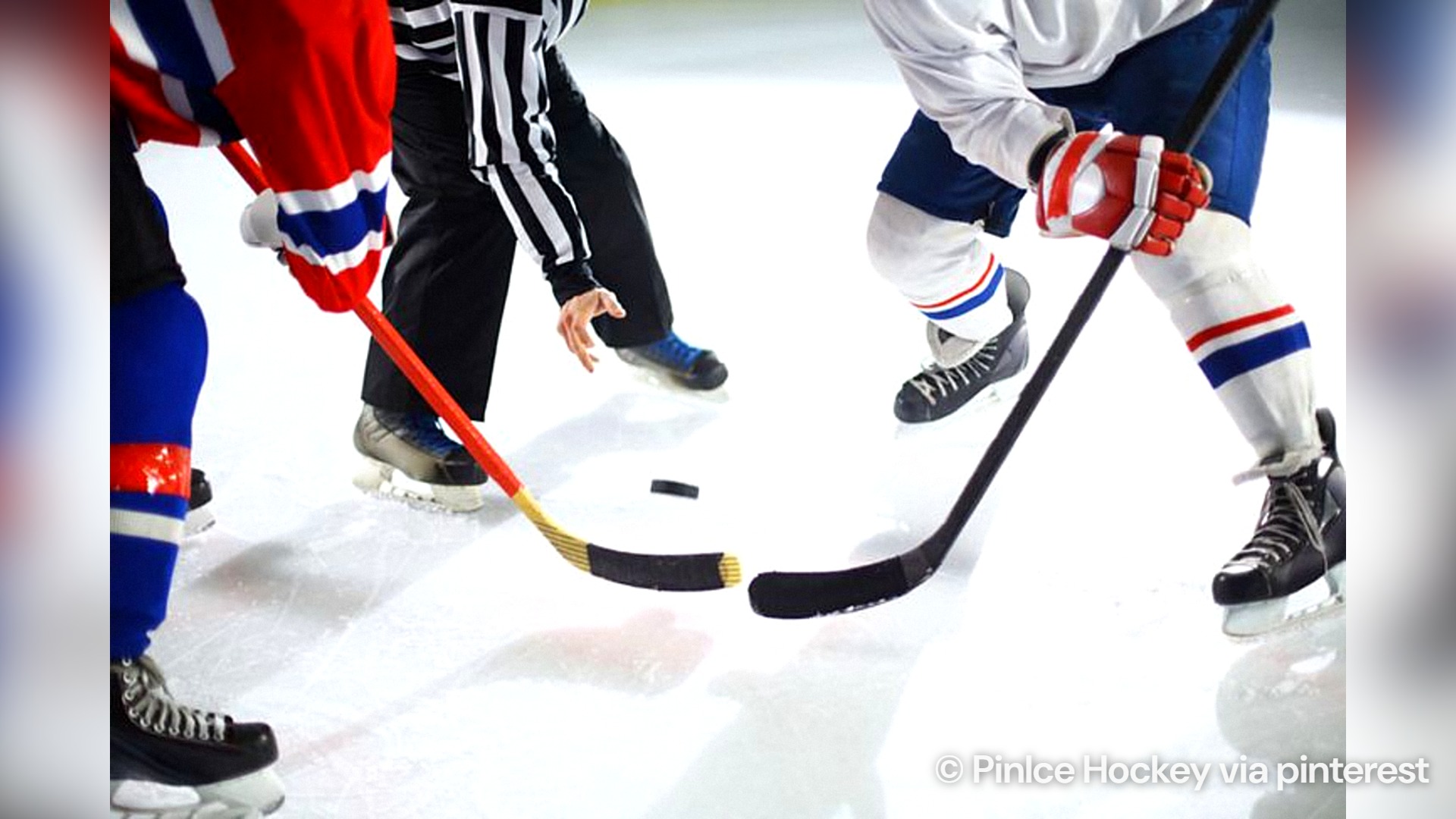
The Play-off Games of Hockey are completely different to the regular season. The rules are basically the same, but all the shifts carry different significance in gameplay. As all series are played as a best-of-seven match, they can matter more than ever and the occasional error matter much more with a championship on the line.
There’s one big reason why playoff hockey is faster: it’s because of the pressure put on dealing with limited decision-making time. Fore- and back-checking and puck moves are especially important as players are aware a small error in the neutral area can open a scoring opportunity. NHL EDGE tracking has also determined the significant pace demands and blistering sprints in the playoffs when it comes to attacking space and generating opportunity.
There is also an increase of the visibility of physical play. Players compete more intensely around the boards, around the crease and in forechecking situations as controlling space can directly have an impact in creating the opportunity to score. NHL play has come under the spotlight on the matter of increased play on the game, including checking, with coaches and players stating that the playoffs have been characterized by more physical play, greater checking and intensity.
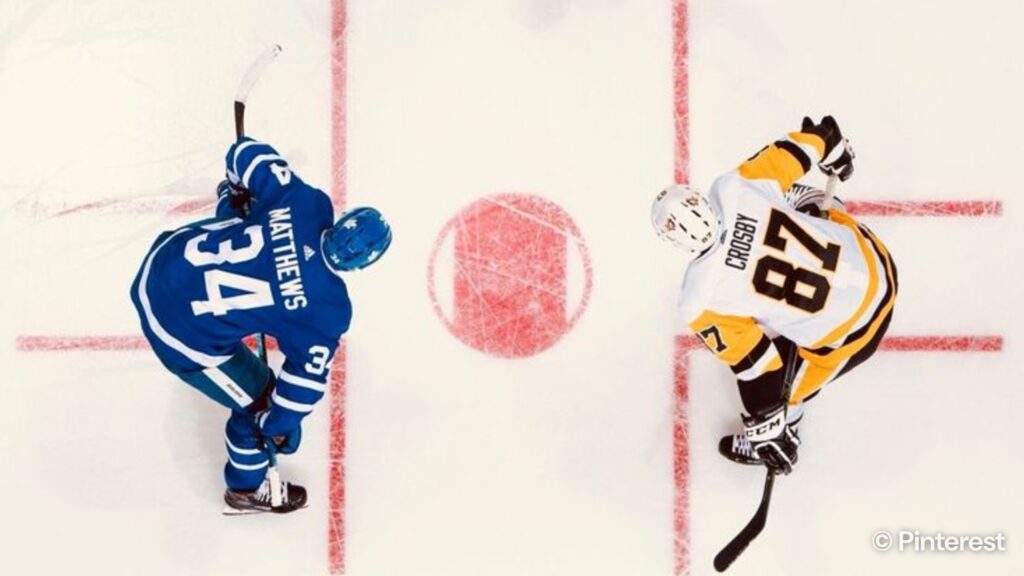
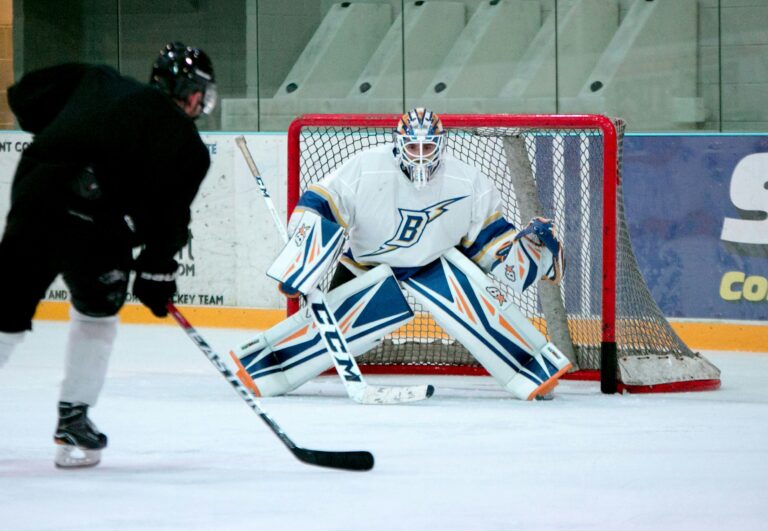
Another significant pressure factor is around the net. Defenders play aggressively to keep opponents from getting into threatening positions and forwards compete for the ball and rebounds. All that extra traffic can make goalies’ jobs more complicated as they try to assimilate screens, deflections and players near the crease.
The added time is a further stress. Overtime in the playoffs is played at five-on-five, and one play or thing that goes wrong for the defense or offense could determine the rest of the game.
Faster transitions, more physical play from the defenders, more contact, net-front pressure and all of those bad little things should and do contribute to a more intense feeling in the playoffs. Physicality isn’t just something that’s performed on bigger hits, it’s when the puck’s on the ice and the season is at stake.
About the Author