Credit @Reddit
The third period means different things in hockey. The last frame is often the most important one after 40 minutes, when two teams are tied or one goal apart. But fatigue and urgency, along with a red-flagging clock, mean that the play is more intense, more important than what’s gone before.
The Physical and Mental Shift
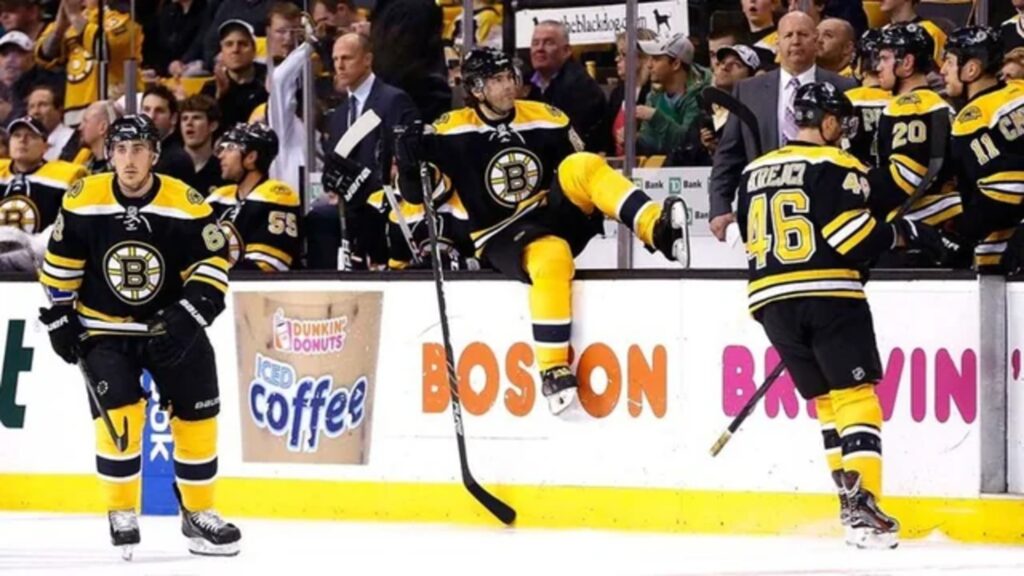
At the end of three periods, the cumulative effect of the game takes its toll. Heavy legs, slower decision-making, and a greater cost for minor errors. Good energy management and/or line changes can provide an advantage. People who have been more play-chasing perhaps can’t come back at the fast pace.
The competition in the mind gets more intense. Players are aware of the time frame and how many “chances” they get to fix mistakes. Coaches ‘close up’ systems or ‘ramp things up’. Thus, the consequence is a time period wherein chance and risk are closer. One turnover, a late penalty, or a special moment of individual excellence can kill a night-long balanced contest.
Why Close Games Tip Late
Weakly contested races are prone to being close as neither side is disorganized and neither side is uninterested. Typically, the clock will be ticking, and one team will find a way to make the big play – a power-play goal, rebound at the net, or defensive play that places pressure on the other team.
At the end of the game, special teams and goal play will often dominate. They are the two points generally won by the one team that does not crack under pressure. Sometimes, however, the third period is the one that determines the outcome, and many times the victor is the team that stays in it.
The last 20 minutes in a game of speed, high physicality, and fine margins are when a lot of close games are decided.
About the Author