Credit: @argylebia on Instagram
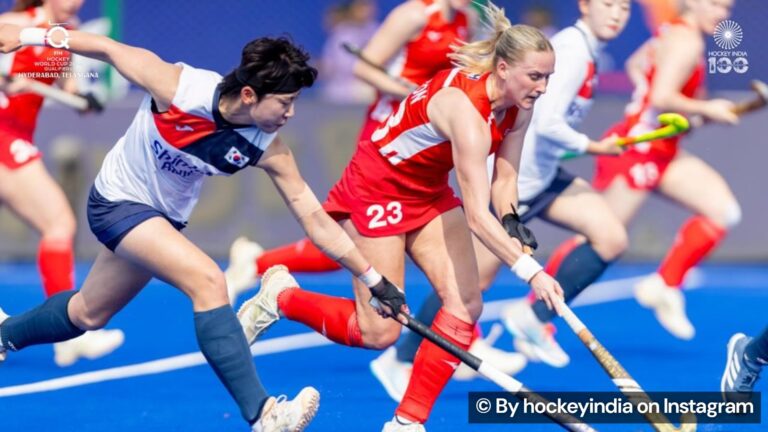
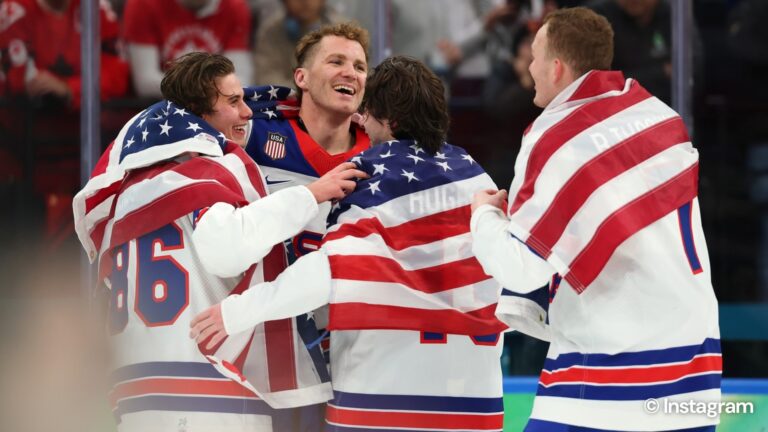
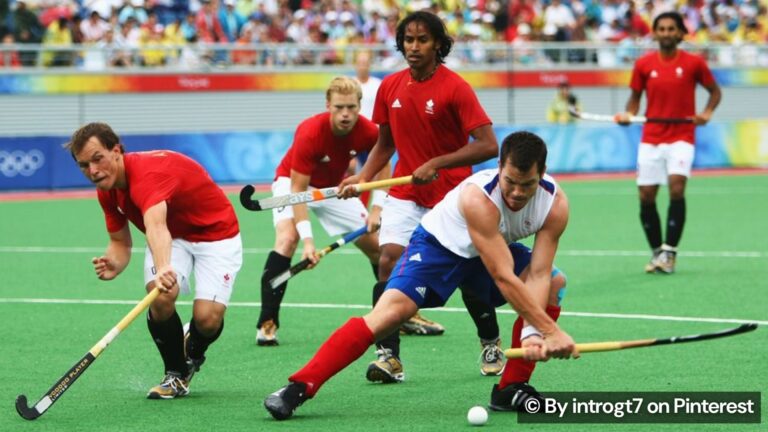
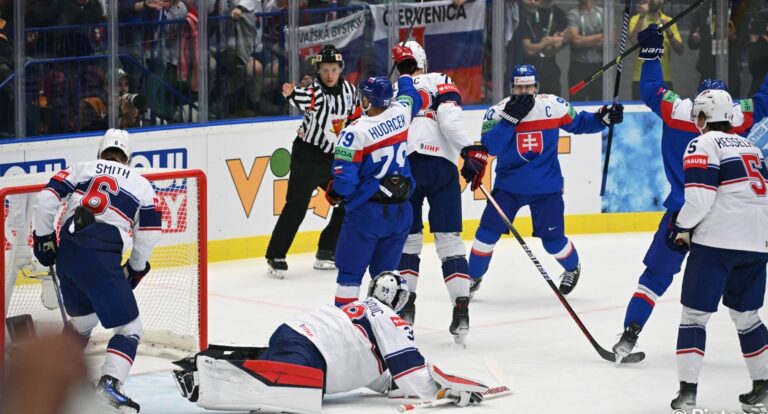
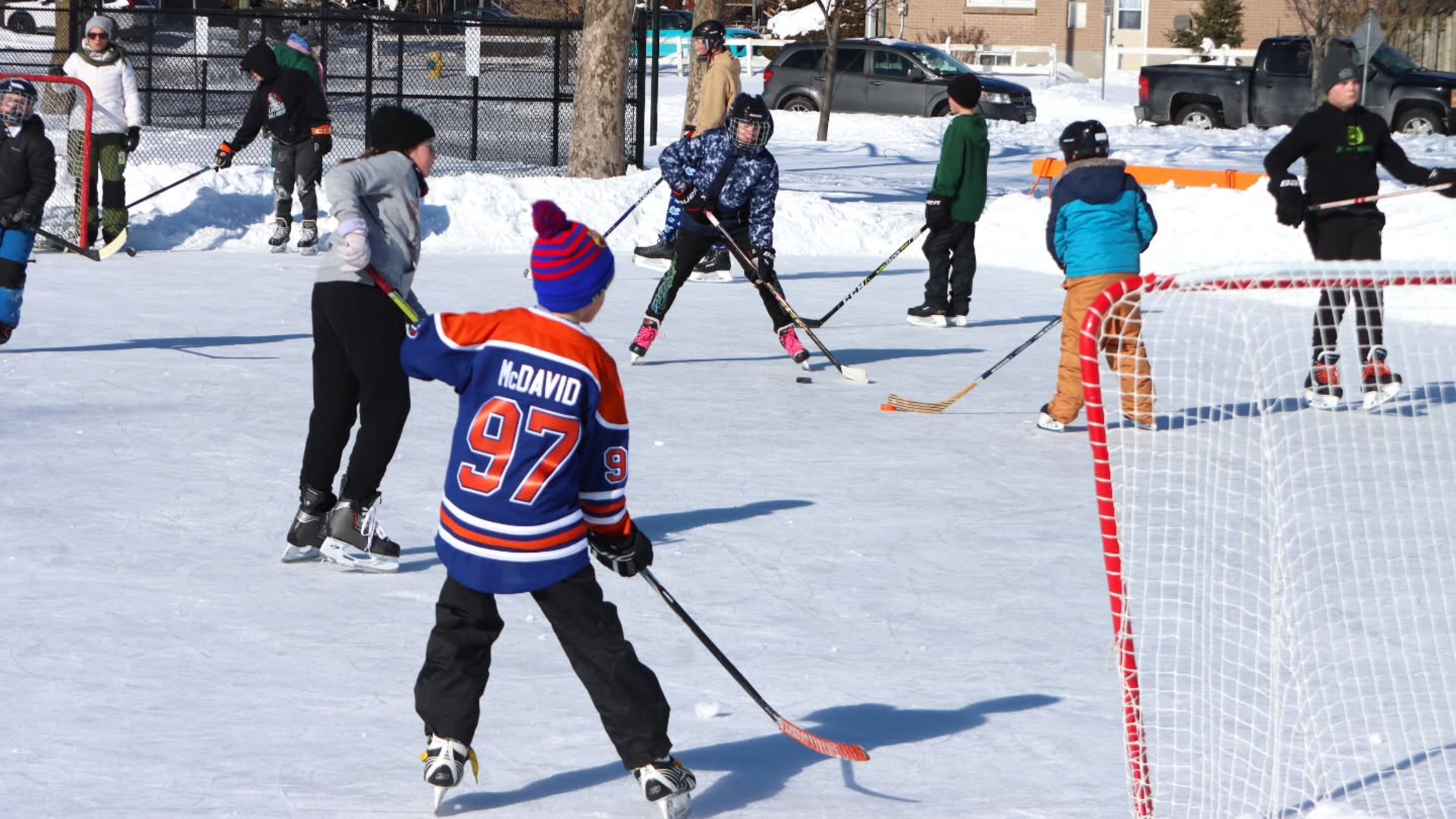
Youth hockey has evolved from pond hockey to a system that helps shape the future of the sport. What began as a community activity has become an organised system of leagues and development programmes that feed talent into junior and professional ranks.
From Local Rinks to Organised Structures
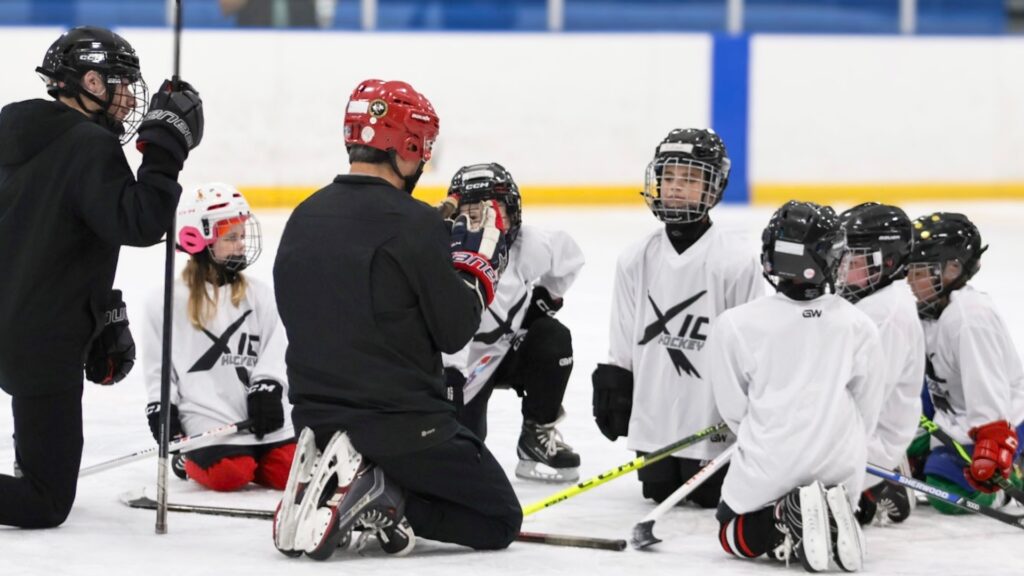
Youth hockey was very informal during the first few decades. Children played on outdoor rinks and/or frozen lakes with minimal equipment. As more and more facilities were built in the area, local associations started to have age group teams and basic leagues. The rules were modified for younger participants and the concept of “progressive development” caught on.
Growth was marked in the 2nd half of the 20th century. Standardisation of age categories, safety standards and coaching education by national governing bodies. Minor hockey was a fast-expanding part of the game in Canada and the U.S.A. This was followed by the formation of similar structures in Scandinavia, Russia and other hockey countries.
Why the Growth Continues
Increased funding was given to rinks, which enabled year-round participation. Families were encouraged to put their children into school by hearing and reading about positive experiences of other children. Athlete Development research promoted age-appropriate training and a focus on skill and enjoyment.
There are a variety of levels of youth hockey. Recreational leagues are focused on fun and inclusion. Competitive pathways are a means of recognizing players who have more potential.
The expansion has come with its challenges – costs, travel, and pressure are all topics of conversation, but the reach of organised youth hockey is expanding. It all started with community play that has formed the backbone of the sport.
About the Author