Image credit : @kstc45tv via instagram
Figuring out the “toughest” pro ice hockey competition is a mess because it depends on what you mean by tough. The National Hockey League, the NHL, is basically the top tier for skill and money, but the toughness part can be read through different things: how evenly teams match up, the physical toll, how strict and stubborn the defending is, and even how hard it feels to climb a roster step by step. If you try to line up world-class talent with defensive structure and all that relentless bodily pressure, the argument often lands on a structural showdown between the NHL, the AHL, and Russia’s Kontinental Hockey League, the KHL.
The NHL: The “Default” of Elite Execution
If we’re going pure talent, the NHL is in a category by itself. It draws from many of the best hockey players in the world, so everyone has to run tactics at a speed and precision that other leagues usually can’t fully copy. The toughness of the NHL is mostly suffocation, that tight time-and-space thing; top skaters close lanes fast, and the second a structural slip happens, the other side pays for it right away.
On top of that, the NHL’s hard salary-cap era has created this parity that feels almost engineered. It’s not like some other soccer-style formats where a handful of wealthy clubs just steamroll for years. In the NHL, almost any team can beat another team on a given night. And that parity turns the schedule into a constant mental and physical grind, 82 games missing the playoffs by a single point is not some crazy story, it happens a lot. Then comes the Stanley Cup Playoffs, which are basically the final proving ground, four rounds of brutal series where injuries pile up and players still have to keep going just to survive another round.
The AHL: The Brutal Grind, Plus “You’d Better Earn It”
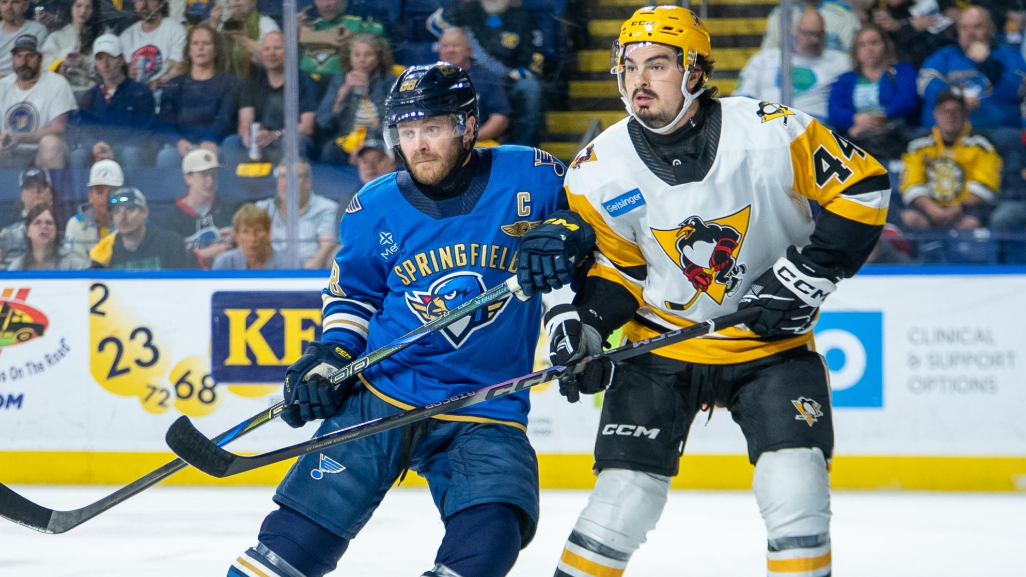
Even though the NHL is the higher skill base, you can still make the case that the American Hockey League, the AHL, feels more merciless day to day. Since it functions as the main developmental pipeline to the NHL, the AHL can act like a pressure cooker mentally and physically and you get a strange blend of hungry 20-year-old prospects trying to claw upward, and older veterans who are trying to hold onto their professional careers.
That desperation turns into a more unforgiving style, lots of hard play and pain, the type that punishes soft choices. Since roster call-up spots are limited, the games become intensely competitive, and teams often lean into aggressive forechecking, physical intimidation, and that grind-heavy wall-battle mentality, not so much smooth highlight-style passing. Also, travel makes it worse: it’s common to get stuck in “three-in-three” weekends, meaning three games in three straight nights, and usually teams are traveling by bus instead of private charter flights. The whole league feels built to test whether a player has the endurance to keep surviving.
The KHL and European Leagues: Controlled Systems, Less Mercy
Outside North America, the KHL shows up as a different style of difficulty and the league often leans on tactical structure, defensive discipline and counter-attacks that are planned instead of improvised. Because international-style ice surfaces and spacing concepts still influence parts of European hockey, conditioning and spatial awareness become a bigger deal than people expect.
Scoring there can feel weirdly difficult too. Defensive systems tend to be cautious, and you’ll often see trap neutral-zone setups that frustrate North American players who are more used to north-south transition hockey. To survive, players need elite hockey intelligence and clean technique with the puck, because turnovers get punished hard by those deep, settled defensive units.
So in the end, the KHL leans into tactical patience and the AHL demands straight endurance under physical pressure. But the NHL still comes out as the toughest league in the world because it combines the nonstop physical stress you see in the minor leagues with the sharp tactical execution associated with European hockey, and it ends up being the most punishing environment overall, in real competitive terms.
About the Author