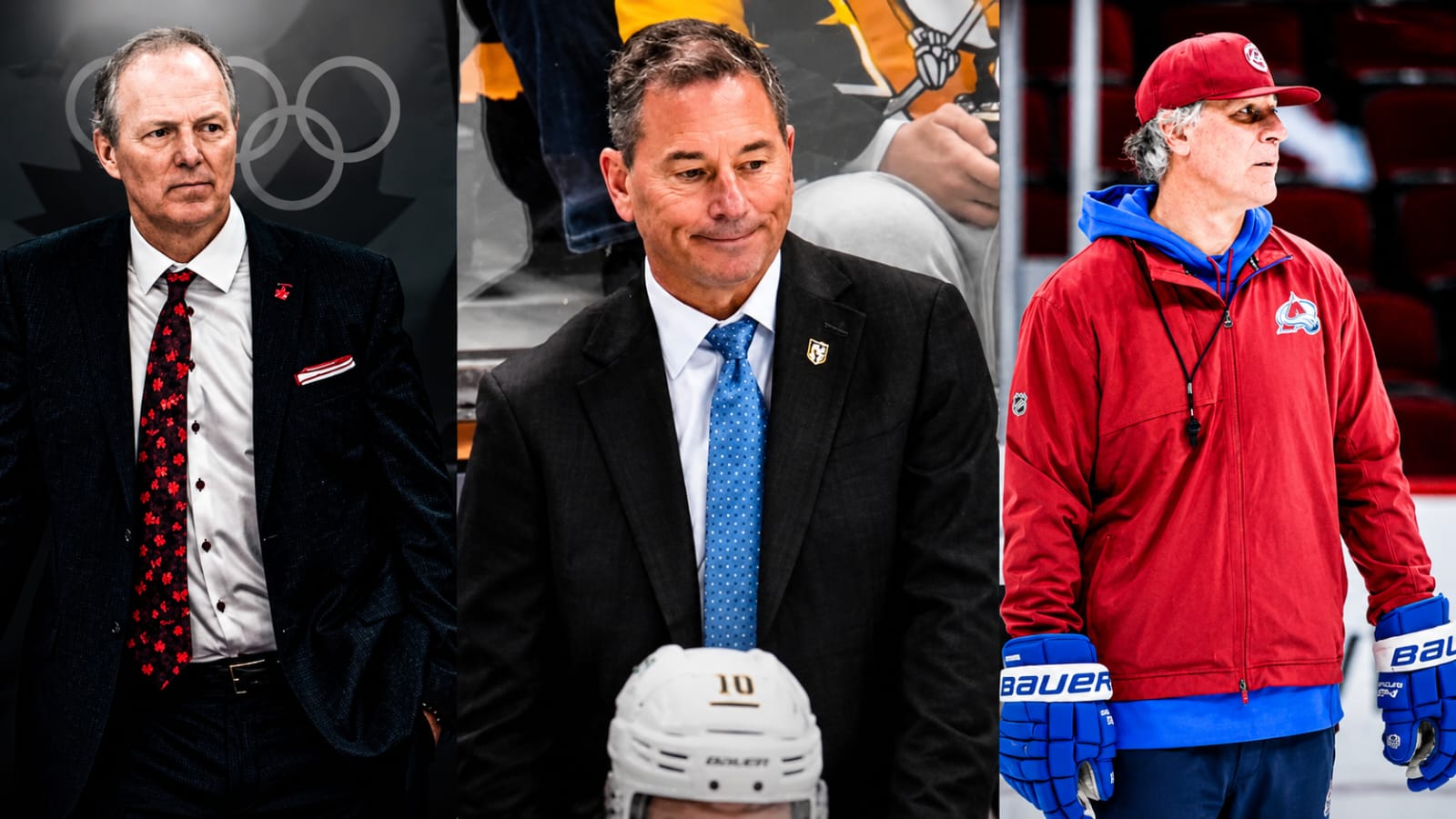
Image credit : @coloradoavalanche, @KTNVLasVegas via facebook and @hockeyforever via instagram
Evaluating head-coaching success in the modern NHL is like trying to scan the whole playbook while the game is still on, and the 2025–26 season made that feeling almost too real. You’ve got to juggle what happened before with what’s actually working right now, and when the talent level is tight plus roster parity is close, it forces coaches to tweak things every week, every month, sometimes even mid stretch. From Stanley Cup winners who put together genuine, modern runs, to the folks who quietly became the core mechanism behind major franchise shifts, these ten names are still sitting in the upper tier of pro hockey management.
The Elite Championship Standard
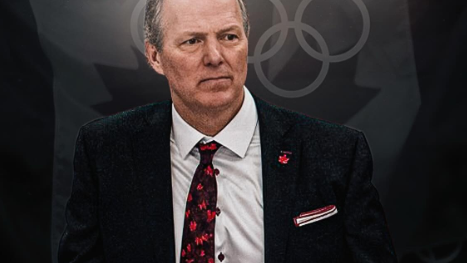
Jon Cooper (Tampa Bay Lightning): Cooper is still treated like the gold standard, the type of coach who can change gears without losing his nerve. He took Tampa through another strong season, even while dealing with injuries and roster adjustments. What keeps him ahead though is how he squeezes real value out of constantly changing lineups, and that’s why a lot of people still call him one of the league’s top bench leaders.
Paul Maurice (Florida Panthers): Maurice has coached more than 1,800 NHL games, and that type of mileage still shows in Florida’s identity and the Panthers play an aggressive, tough, almost physical style, but they also stay defensively organized. It feels pretty connected to Maurice’s coaching personality as a whole. His ability to keep intensity high and accountability clear is a big reason Florida keeps landing among the harder teams to solve.
Jared Bednar (Colorado Avalanche): Bednar’s big advantage is the structured method Colorado uses to create speed through transition play. He’s kept the Avalanche in the Western Conference mix as real contenders for years now. Colorado continues merging elite stars like Nathan MacKinnon and Cale Makar with younger depth contributors, and the system often doesn’t lose its shape even when the roster gets shuffled.
The Tactical Architects
Rod Brind’Amour (Carolina Hurricanes): Brind’Amour gets player buy-in fast, almost instantly and his high-pressure forechecking structure requires conditioning and discipline, and Carolina often ranks among the league’s sturdier defensive teams because of it. Under his system, the Hurricanes stay one of the NHL’s most structurally dependable organizations.
Lindy Ruff (Buffalo Sabres): Ruff coming back to Buffalo brought renewed energy around the group and during the 2025–26 season the Sabres showed clearer improvement in competitiveness and structure especially on- offense and his experience and familiarity with the franchise helped steady a lineup that had been hunting for consistency for a long stretch.
Mike Sullivan (New York Rangers): After parting ways with the Penguins, Sullivan stepped into a massive spotlight by taking over the legendary Broadway bench. While his first year in New York featured a tough transitional stretch as the roster adjusted to his high-tempo system, his elite reputation remains bulletproof especially after masterminding a dramatic gold medal victory for Team USA at the 2026 Winter Olympics.
The Turnaround Specialists
Spencer Carbery (Washington Capitals): Carbery keeps raising the bar for what people expect, even as he balances veterans with younger contributors. His tactical value is in how he carves out clear roles for emerging players while still guarding the offensive strengths of Washington’s veteran core. That mix has kept the Capitals in the Eastern Conference conversation.
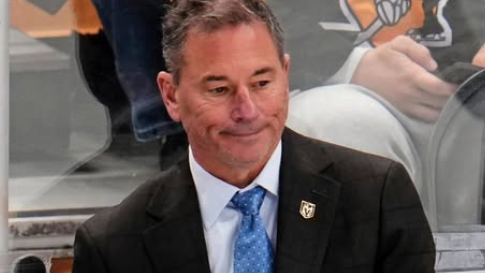
Bruce Cassidy (NHL Free Agent): Despite coaching the Golden Knights to a steady 32-26-16 record, Cassidy was unexpectedly let go with just eight games left in the regular season. He is easily the most coveted free agent on the market right now; while Vegas plays hardball over letting division rivals interview him, his tactical brilliance guarantees he’ll be running a premium bench the second he’s cleared to sign.
Peter DeBoer (Dallas Stars): DeBoer has a reputation for being one of hockey’s more adaptable playoff coaches, his systems often tilt toward aggressive forechecking and tactical pivots that help teams respond quickly when postseason series start stretching and that preparation and flexibility continues to make his teams tough over long playoff runs.
Martin St. Louis (Montreal Canadiens): St. Louis has shifted from being seen mainly as a developmental coach into someone trusted with wider tactical growth and his read-and-react style has helped speed up development for younger players like- Cole Caufield, Nick Suzuki and Kirby Dach; Montreal has become a more structured and competitive team with him running the show.
About the Author