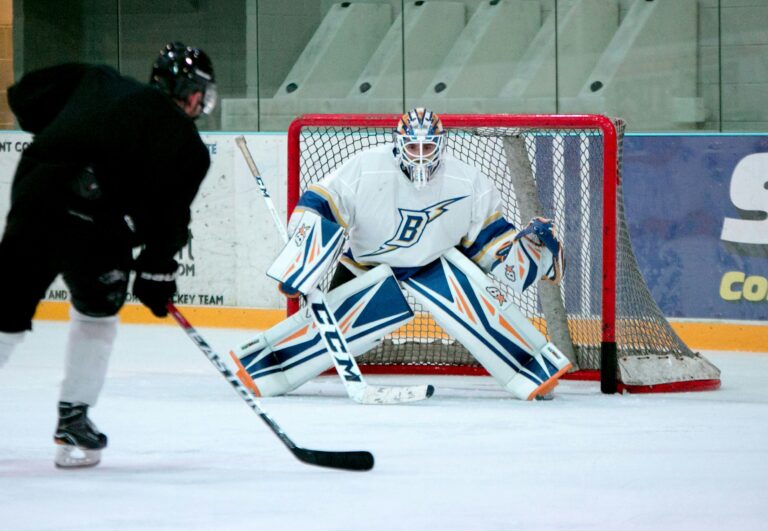
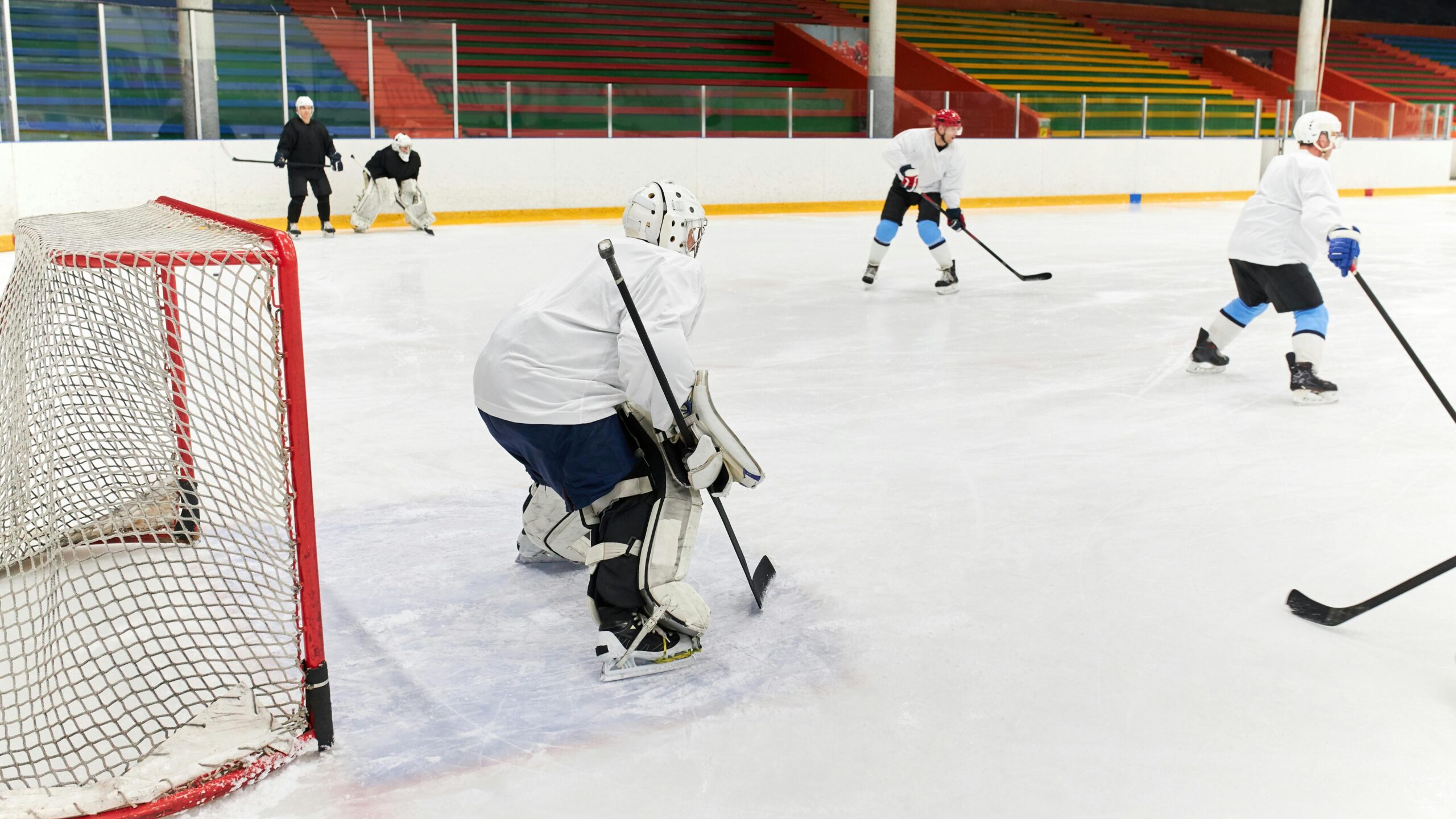
Image credit : @tony-schnagl via pexels
For generations, the old-school blueprint for youth hockey copied the adult game: full-ice sheets, 5-on-5 setups, and this huge, almost too open spatial layout. But now, modern sports science plus data tracking has called out a pretty big flaw in that macro method for young athletes. On a gigantic 200-foot sheet of ice, a kid on a shift who’s chasing a far-off puck gets barely any real puck-contact time, and the decision-making moments get stretched out so thin they don’t really *stick*.
To dodge that developmental slowdown, groups like USA Hockey and Hockey Canada have rebuilt the grassroots model. They’re pushing small-area games, cross-ice parameters, and 3-on-3 tournament formats, and the whole hockey world is treating spatial compression like a development booster, not a compromise.
Putting kids into these tighter, condensed styles really boosts their fast processing speed, sharpens tactical edge-work, and builds strong puck-handling confidence. Coaches increasingly believe the modern game demands constant motion and rapid reactions, and those traits are much easier to develop in environments where players are forced into nonstop engagement with the puck.
The Geometric “Touch” Explosion of Metrics
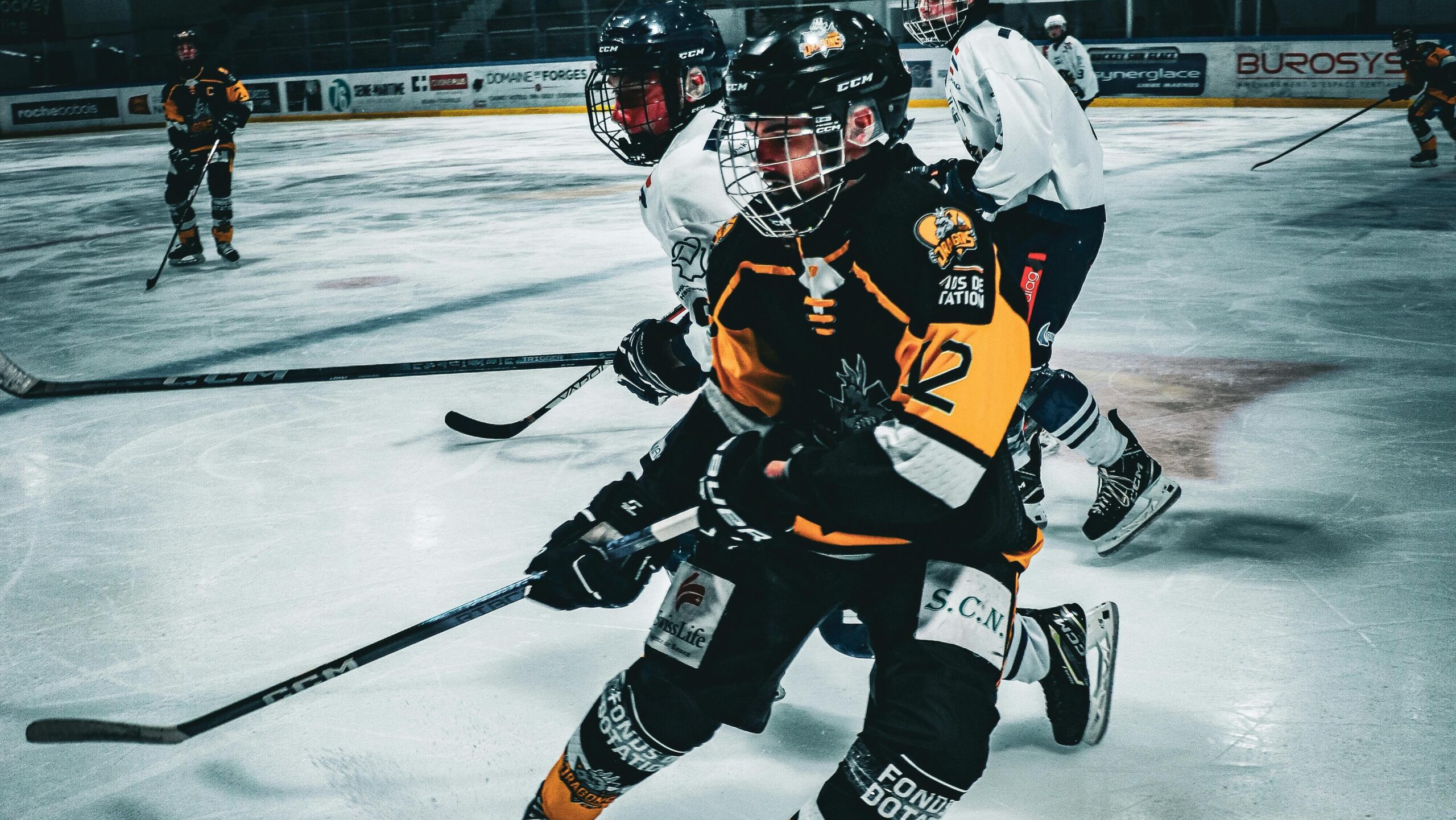
The main reason small-area formats can fast-track talent is that they absolutely max out micro-touch metrics. When analysts compare 8U cross-ice setups with full-ice games, the data curve looks wild: under the compressed parameters, kids rack up something like six times more shots on goal, double the amount of skating shifts, and end up with twice as many passing interactions. In the traditional full-ice format, one standout skater can hog the puck, while the other players sit there as stationary observers, just waiting for their turn.
When you cut the rink into halves or thirds, the game turns into this tightly packed sandbox where escaping the physical tracking is not an option. Everyone ends up in constant, too-close proximity to the puck, so they have to do stick-on-puck positioning almost immediately, even while being under persistent stress and that heavy repetition helps lock in core muscle memory, and it turns basic skating and puck-control movements into habits that feel automatic, way earlier than older timelines usually show.
The smaller dimensions also reduce long stretches of passive skating. Instead of circling the perimeter waiting for a breakout pass, players are continuously involved in puck retrievals, quick give-and-go exchanges, defensive recoveries and net-front battles; that nonstop involvement builds stronger engagement habits and creates- a much denser learning environment during every practice or game session.
Calibrating Processing Speed and Cognitive Adaptability
Beyond the physical stuff, alternative formats also act like a high-level incubator for spatial awareness and processing speed. When a 3-on-3 group plays in a smaller zone, the usual “big picture” visual channels from the neutral zone pretty much disappear. Players can’t just wind up for a clean, unobstructed rush anymore; instead they have to react right away to rapid transitions, strong board pressure, and this messy net-front chaos.
That environment forces a quick growth in cognitive adaptability and overall hockey IQ. Young players are pushed to make high-stakes micro-decisions, like delivering a lateral bank-pass, or tracking a rebound that’s screened and unpredictable, all in fractions of a second. By training their brains to solve spatial puzzles in tight quarters, these alternative formats often create prospects who treat the eventually bigger full-ice surface not as a scary jump, but like extra room they can finally use.
Another important benefit is confidence development. In larger formats, younger or less physically mature players can sometimes disappear during games because the puck spends long stretches far away from them. Smaller-area systems eliminate much of that hiding space. Every player becomes part of the flow, and repeated puck touches help quieter players gain confidence handling pressure situations.
Instead of treating small-area hockey like a temporary substitute for the “real” version of the sport, organizations increasingly view it as the most efficient developmental laboratory available. The tighter structure creates more decisions, more pressure, more creativity and more technical repetitions in far less time. That combination is why many coaches now believe the future stars of hockey are being shaped not on wide-open ice, but inside compressed, high-speed environments where every second matters.
About the Author