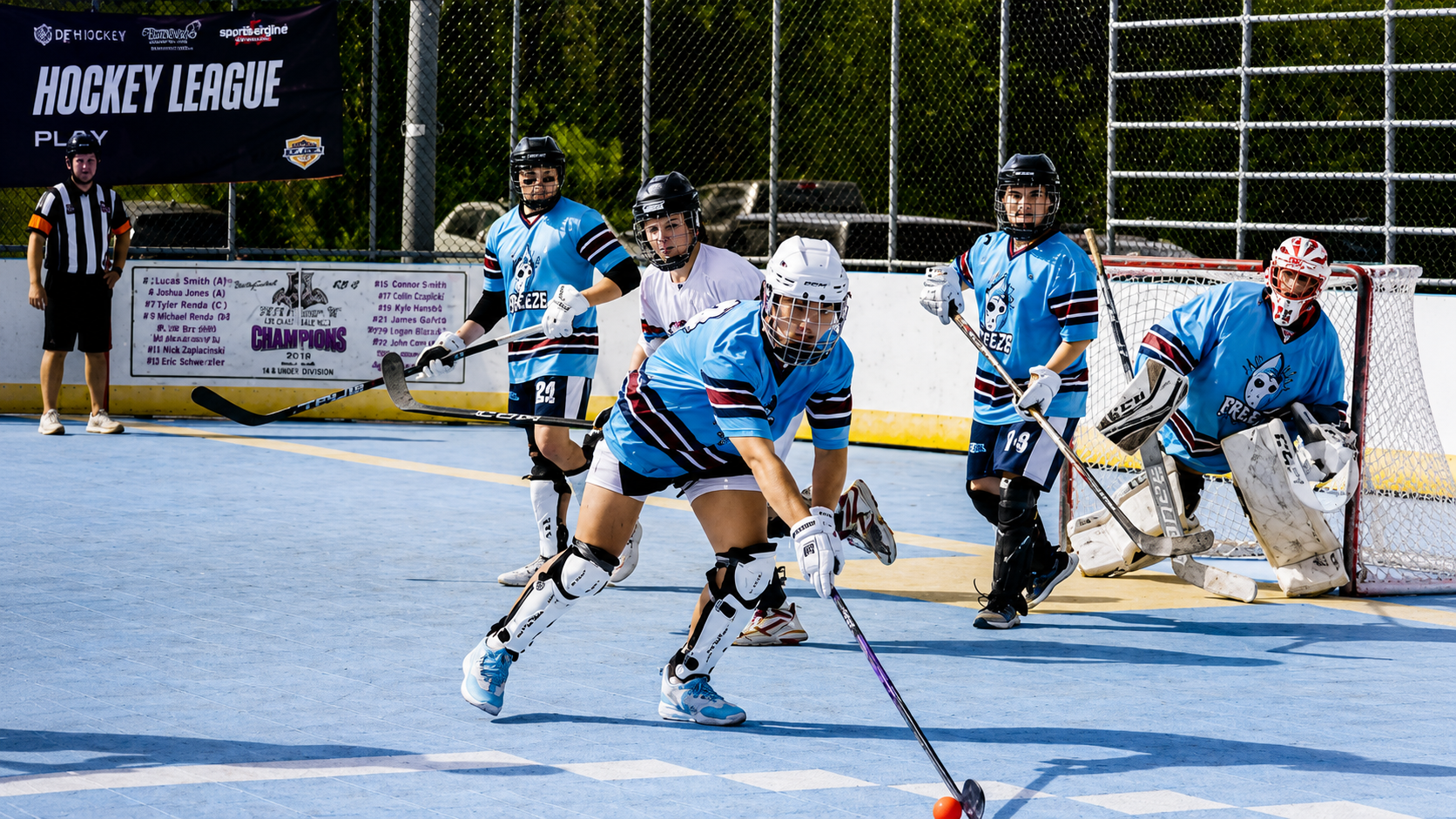
Image credit : @coolhockeyevents via instagram
The long-term lifecycle of a pro sports league is tied to whether it has a really accessible grassroots pipeline underneath it. For years, hockey had a tougher structural disadvantage than basketball or soccer, mostly because of financial and geographic barriers, like the high cost of specialized equipment and limited access to ice facilities in a lot of communities. And since a sport can’t sustain long-term commercial growth without a talent base that keeps getting bigger, a lot of major hockey organizations have shifted their community focus much more aggressively toward youth development.
With increased investment from the NHL, the NHL Players’ Association, national governing bodies, plus private youth programs, the hockey ecosystem is in the middle of a wider grassroots expansion push right now. Instead of leaning only on traditional cold-weather regions to steadily generate talent, organizations are treating youth development like a long-run investment that needs ongoing funding and infrastructure support, not just one-time efforts.
That means subsidizing equipment costs and expanding ball hockey and street hockey programs, supporting new training spaces and strengthening international development pathways; little by little, the sport is trying to reduce old barriers to entry in a more systematic way, even if the process is still evolving.
Dismantling Financial And Spatial Barriers Through Innovation
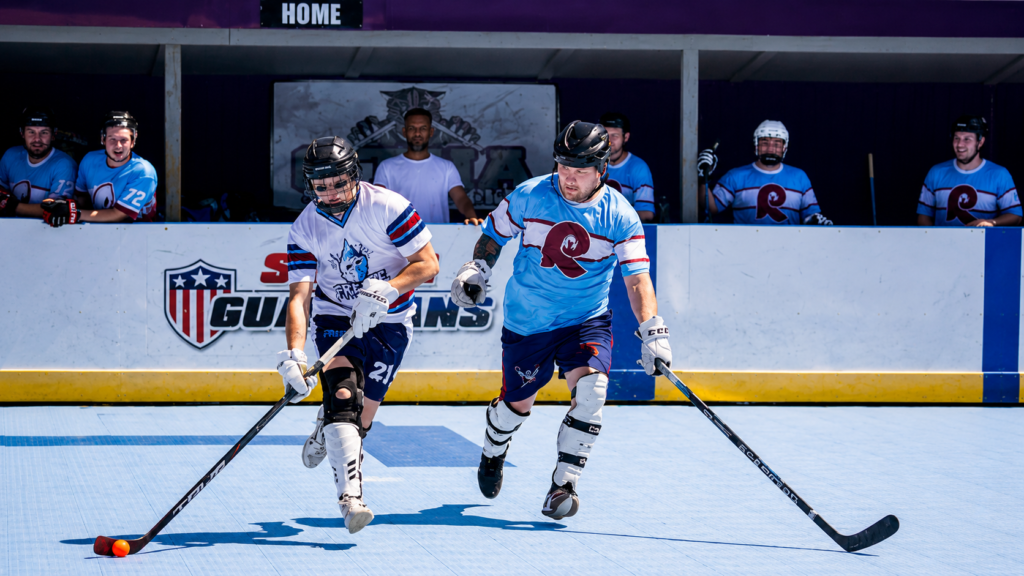
A big chunk of this current push is coming through programs backed by the NHL and NHLPA Industry Growth Fund (IGF). Ice availability is still one of hockey’s biggest logistical problems, so leagues and community organizations have been expanding activities away from the usual ice rinks. This shift helped grow programs like NHL Street, which introduces students to hockey through ball hockey and school-based physical education.
At the same time, organizations keep experimenting with portable and lower-cost training environments. Synthetic ice systems, off-ice stickhandling stations, and smaller shooting setups are showing up more in schools and community centers, especially in non-traditional hockey markets and these alternatives do not fully replace real ice development, but they can help younger athletes build coordination, puck-handling abilities, and familiarity with the sport earlier than before.
Targeted Pipelines And The Expansion Of The Girls’ Game
This youth-development shift has also brought more attention to groups that historically had fewer pathways into the sport. By partnering with community foundations and local organizations, leagues have been expanding programming meant to support girls’ hockey and first-time participants in a more deliberate way.
Programs like Learn to Play in the United States and First Shift in Canada help provide beginner equipment and introductory coaching for younger kids entering hockey for the first time. The goal is to reduce the financial pressure that often prevents families from joining organized hockey in the first place.
Meanwhile, the visibility of professional women’s hockey and well-known players has helped encourage wider participation and athletes such as Megan Keller and other prominent women’s players are now more visible role models for younger generations stepping into the game. And as participation keeps increasing, organizations are working to create steadier long-term development pathways for female athletes across different levels of the sport.
The Expansion Of Modern Development Systems
Beyond league-supported efforts, youth hockey development has become more structured and professionalized in recent years. Elite academies, training facilities and year-round development programs continue expanding across North America and other international markets.
That growth is changing how prospects are trained and evaluated before reaching junior, collegiate, or professional systems and many development programs now include strength training, skating instruction, video analysis, nutrition support and sports-science resources earlier than in past generations which has significantly changed modern player development.
By building more advanced development frameworks earlier in the athlete pipeline, hockey organizations are aiming to create a bigger and more prepared talent pool capable of handling the demands of the modern pro game.
About the Author