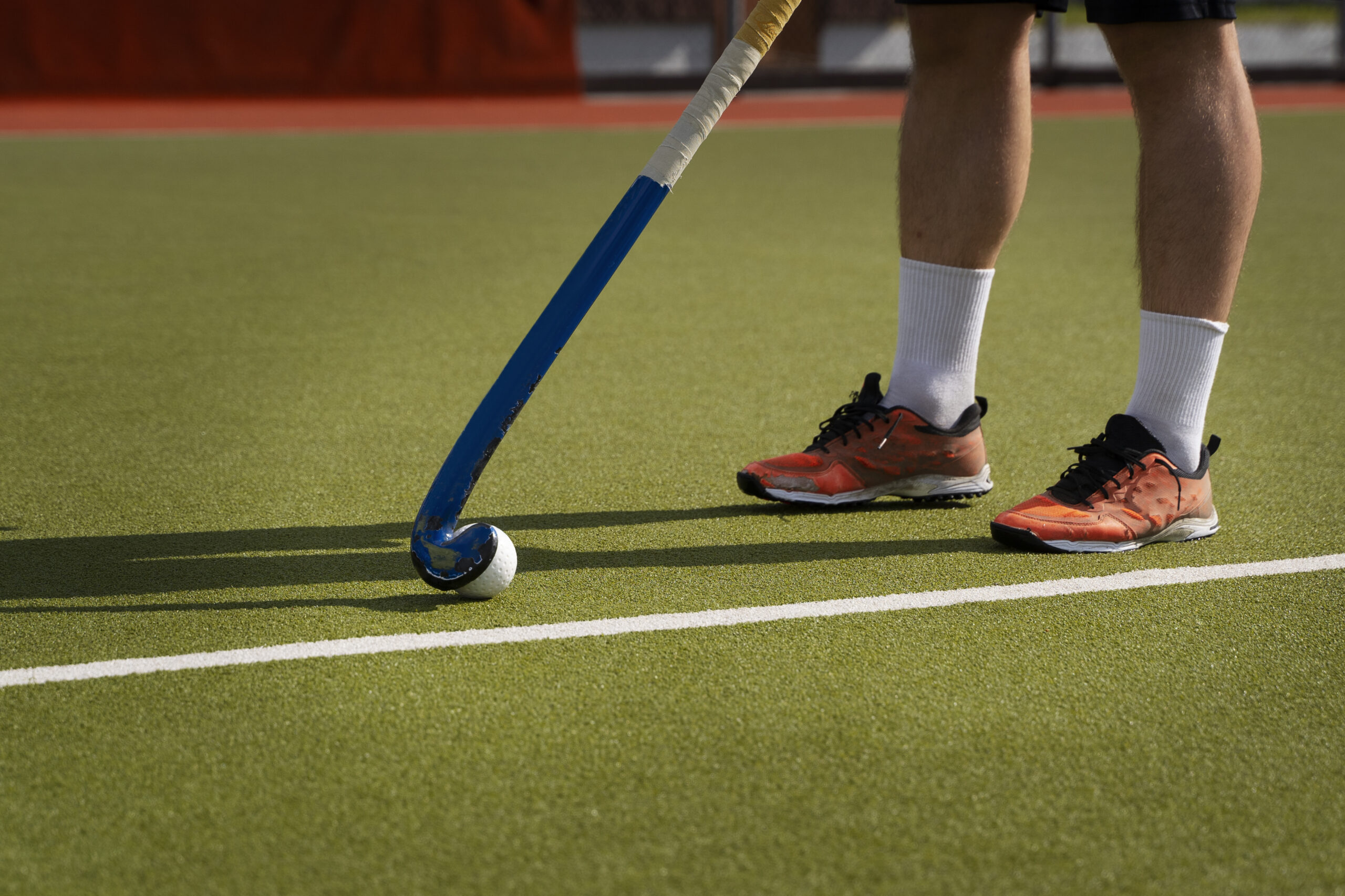
Image credit - Freepik
The story of international hockey kind of rumbles on with certain people who ended up affecting the game way beyond goals and assists. These players didn’t just show up and run through their years; they kind of remade the tactical , the physical, and even the cultural setup of the sport. From rethinking what “defense” actually means, to pushing against gender barriers inside top professional leagues, they set the benchmarks that today’s stars in the 2026 Olympic and NHL rounds still look to copy, at least in spirit.
Wayne Gretzky and the Evolution of Hockey Intelligence
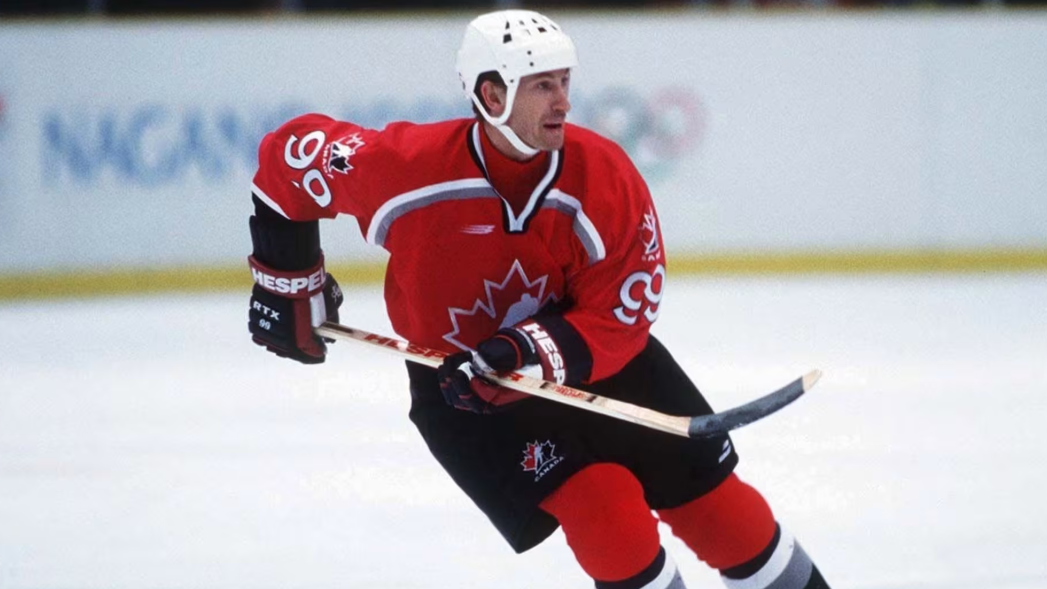
Wayne Gretzky’s effect is often counted with his 61 NHL records , including 2,857 career points and 1,963 assists, more assists than anyone else has total points. Still, the real inheritance is what he turned “Hockey IQ” into. Before Gretzky, the sport was mostly about straight-line speed plus brute strength. Then Gretzky added this more thinking oriented style, using the area behind the opponent’s net, which people now call “Gretzky’s Office,” to choreograph whole sequences.
His knack for guessing where the puck is headed, and also where his teammates are going to be, forced defenders to stop just reacting and instead operate with deeper, zone-based coverage. That mental adjustment still sits underneath modern coaching, where positioning and puck control matter more than raw power. And yeah, his influence also helped the sport spread worldwide, especially in places that weren’t “traditional,” giving space for the international talent mix we see in elite competitions right now.
Mario Lemieux and the Power of Tactical Versatility
Mario Lemieux’s career was shaped by a rare blend: 6’4″ bulk plus the clean craft of a smaller player. Even with major health setbacks, chronic back problems and Hodgkin’s lymphoma he still held a career rate of 1.883 points per game, which is second only to Gretzky. His puck protection, paired with sharp vision, let him undo the “overcrowded” defensive patterns common in the 1990s.
Lemieux also wrote history outside the rink as the first player-owner in the NHL, pulling the Pittsburgh Penguins back from bankruptcy and protecting the team’s long-term survival. That proved a superstar’s value can stretch into leadership and management, and that path got mirrored by a bunch of later legends. On the ice, his size and “reach-around” feints often made goalies adjust late, which helped nudge how the butterfly style developed, along with more assertive crease handling.
Manon Rhéaume and the Breaking of the Gender Barrier
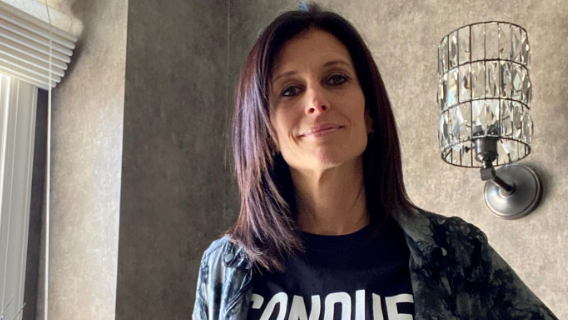
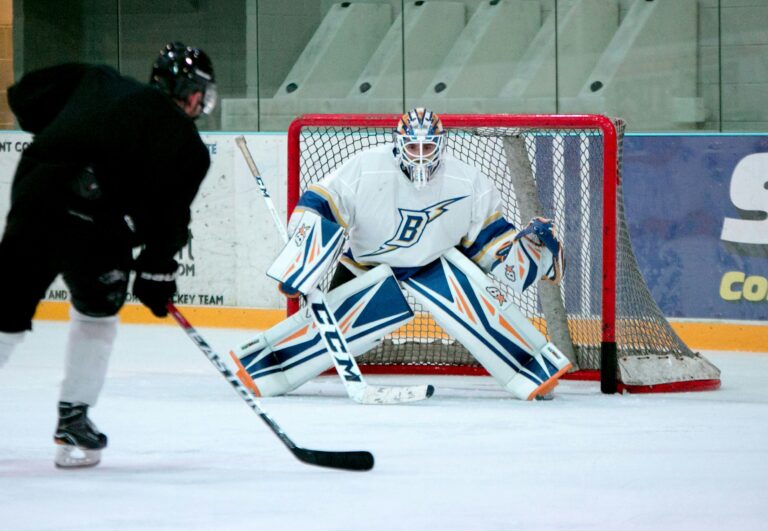
In September 1992, Manon Rhéaume hit international headlines by becoming the first woman to suit up in an exhibition game for a major North American professional sports league and she went in as a goaltender for the Tampa Bay Lightning, and played one period vs the St. Louis Blues, stopping seven of nine shots. That moment wasn’t just a headline grabber; it acted like a spark that pushed women’s international hockey toward real formalization and growth.
Her professional appearances, plus her two World Championship golds and an Olympic silver in 1998, created enough visibility to pull in investment for women’s athletics. Today, her impact shows up in the 2026 pro scene, where the PWHL and a more expanded Olympic framework have built a believable high performance track for women. By demonstrating that top-tier technical talent can outlast gender assumptions, Rhéaume shifted the sport’s public story for good, even if people only realized it later.
About the Author