Image credit: @ via Wikipedia
The Olympic Games have had a pivotal role on the hockey’s evolution from a regional sport to a truly international sport. Historically, over 100 years, the Olympic Games have been a forum for hockey countries to forge rivalries, cultivate talent and expand hockey’s audience.
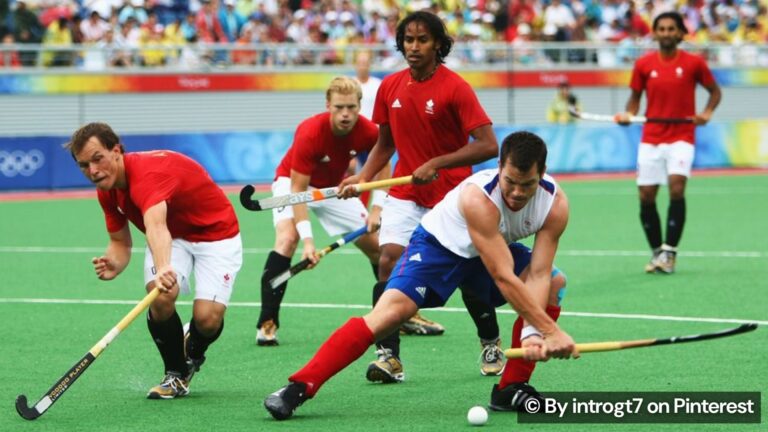
Field hockey was a new sport for the Games of the I Olympiad, in London in 1908, and was incorporated into the programme of the Summer Olympics from 1928. Headlined as part of a competition, it helped promote the sport beyond its British origins. It was significant that India appeared at the 1928 Olympics. India’s domination was going on for decades, it won six Olympic gold medals in the successive years 1928 to 1956 and became the one of the great powers of the sport.
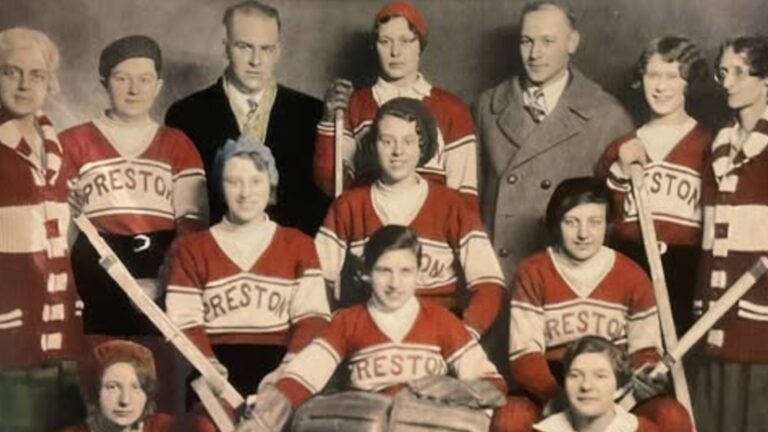
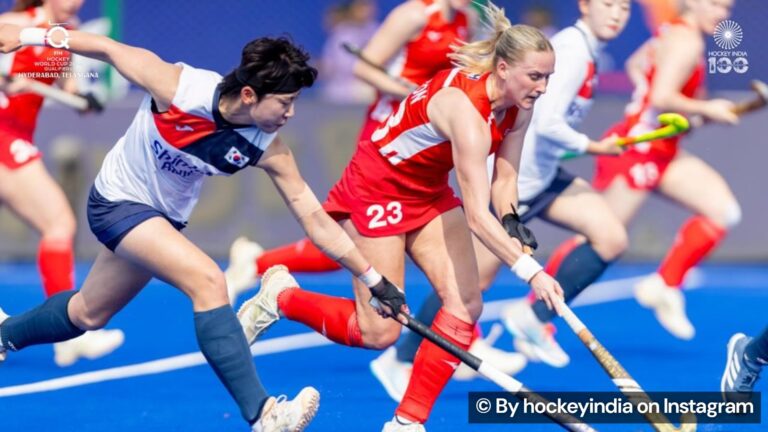
Women’s hockey also saw some significant international progress during the Olympic period. The 1980 Games in Moscow marked an exciting new era for women’s field hockey, which is now played in the Olympics and has thus gained a much broader international platform for female athletes. The Netherlands, Australia, Argentina, Germany and Great Britain followed in the footsteps of the latter and were next to become great powers in the women’s soccer world.
The shifting tides in the world of foreign sport have also been echoed in Olympic hockey. Asia, Europe, Oceania and the Americas have all been represented by nations vying for medals, signifying the success of coaching and sports science, professional structures and sports development for youth in hockey.
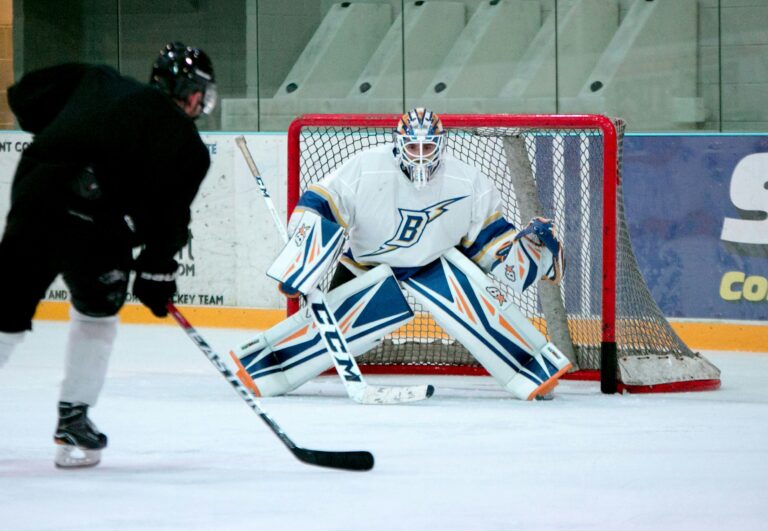
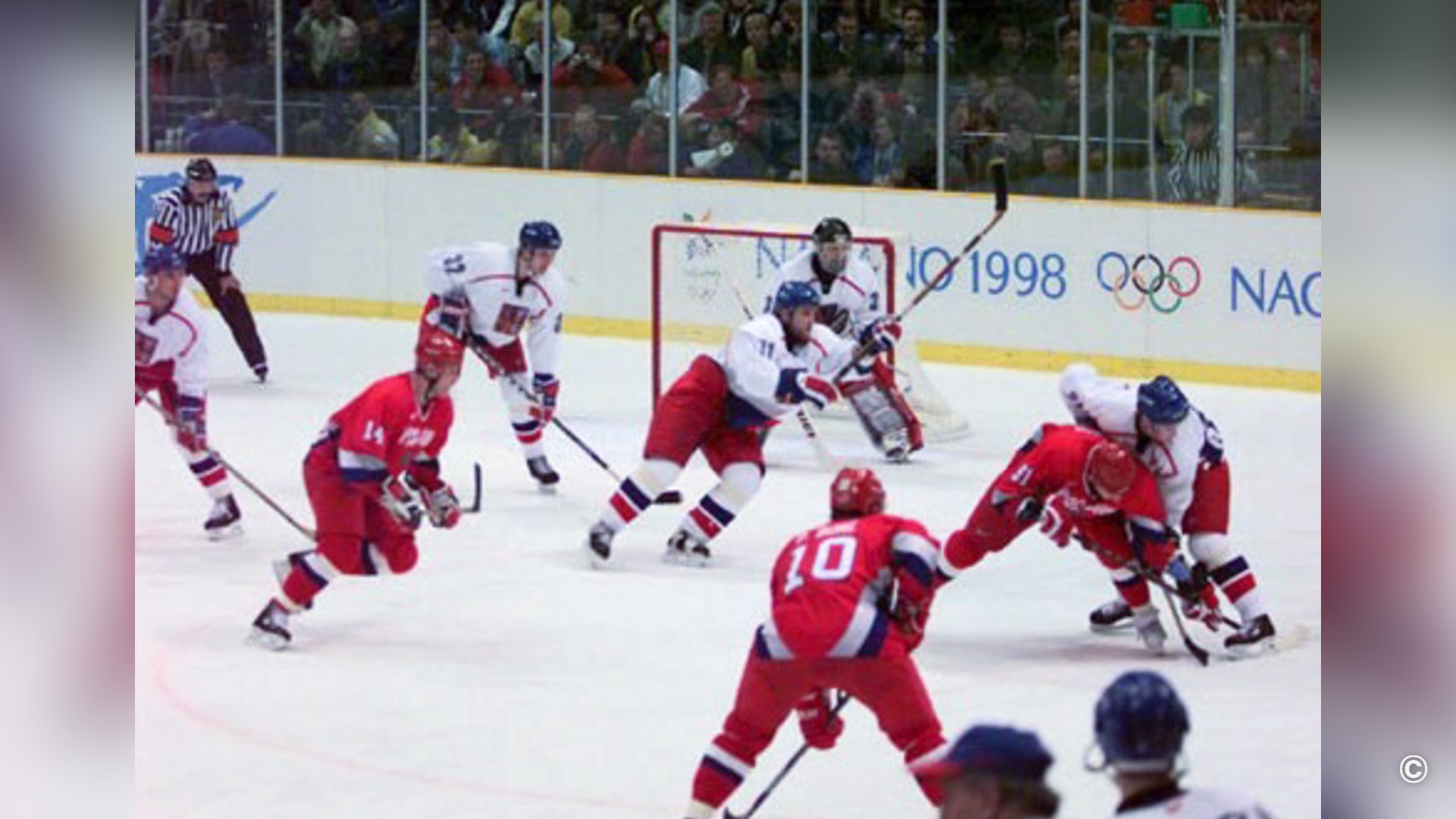
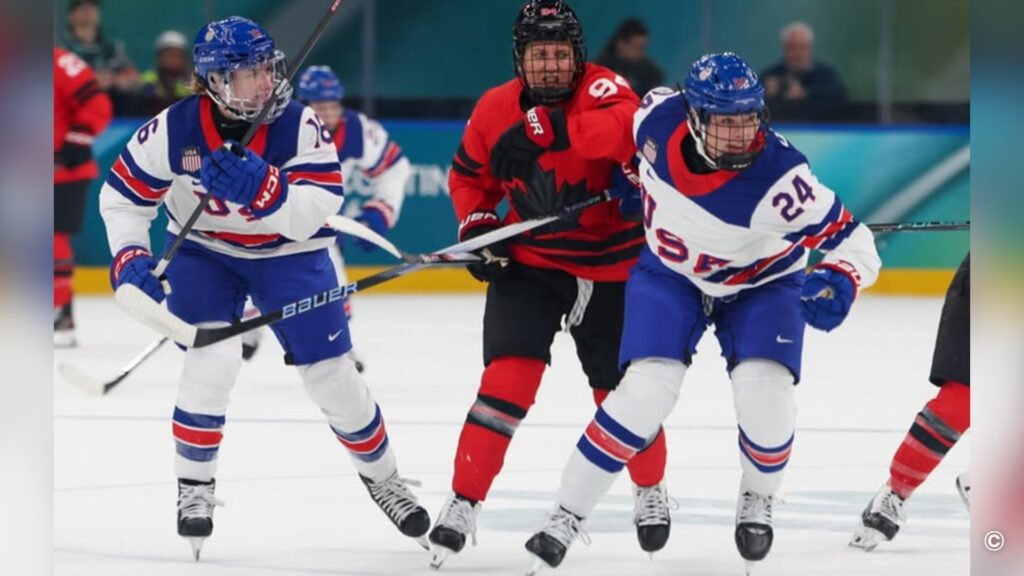
Ice hockey took a different route to the Olympics, and in 1924 it was a part of the Winter Games. Eventually their Olympic tournament had grown to become one of the sport’s largest international events as NHL players became professional players participating in the tournament. This increased the relevance of the Games for International Ice Hockey, since the NHL players competed again at the Milano Cortina 2026 after 12 years.
The Olympics today are still about more than medals these days. They provide a potent engine for hockey’s future expansion, builds heroes, introduces competition and new opportunities, and continually changes how hockey is played around the world.
About the Author