Image credit : @@tony-schnagl via pexels.com
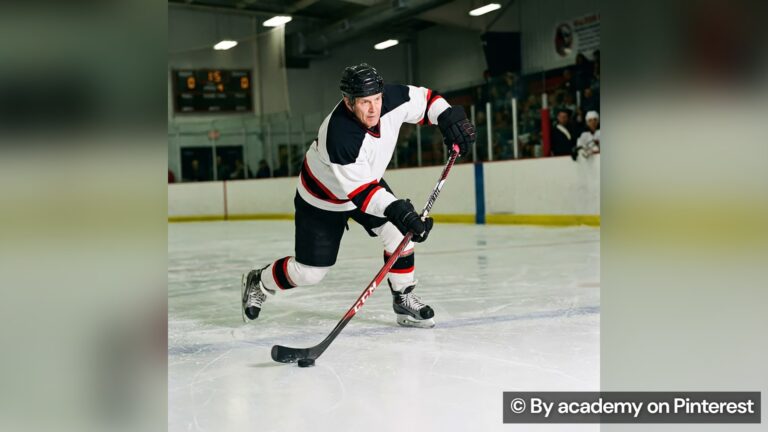
Behind the highlight-reel goals and the thunderous body checks, there’s this tiring truth that most people don’t see right away. Ice hockey drags you to the edge of what the body can handle, power endurance, and also physical recovery all at once. During a typical game, players repeatedly sprint, stop, and smash into each other for well over two miles while wearing layers of heavy, heat-trapping gear.
And to make it through a full season, you can’t just lean on natural talent. Most elite athletes build “peak performance” from a strict daily framework, pretty much governing what they do off the ice too, not only on it.
The Micro-Scheduled Daily Grind
For a pro hockey player, the day starts earlier than people think, before any NHL rink even comes into view. A standard morning tends to begin at dawn with mobility work, tissue activation, and dynamic stretching to get the nervous system online and open up joint range before skating.
After that, the schedule switches gears and it feels more urgent:
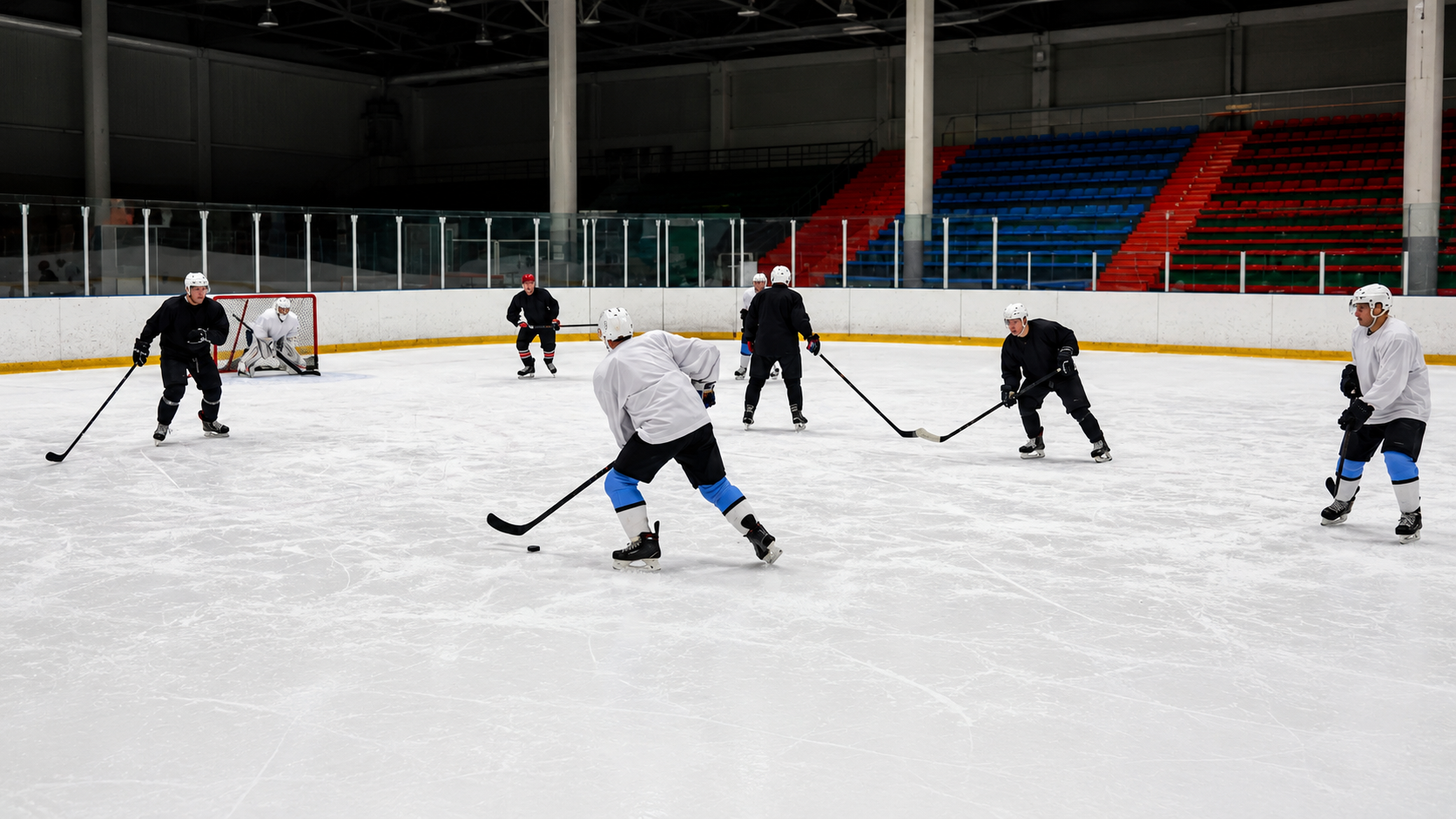
Mid-Morning On-Ice Work: players spend hours on hyper-specific skating passing, and tactical drills with the team.
Late-Morning Activation Blocks: rather than going heavy in the gym, game-day mornings use lighter, explosive neural activation stuff. Medicine balls, bands, and low-weight high-speed movements are used to wake up the central nervous system, so muscles can hit harder, but without turning the session into fatigue.
Afternoon Video Analysis: training doesn’t just end physically. Players then shift into mental conditioning, sitting with structural opponent tape so they can make decisions in split seconds later, when it matters.
Strict Nutritional Architecture
Hockey is stop-and-go, so it depends heavily on stored carbohydrates, glycogen, for fuel and because of that, diet gets tracked with the exactness of a chemistry lab. Skip a meal or eat the wrong kind of food and you don’t just feel “off”, you can get late-game fatigue AND your mental sharpness can drop noticeably fast.
Elite nutrition is basically timing first. Pre-game meals are calculated to refill glycogen stores using lean proteins and clean carbs, while heavier greasy options are avoided because they can lead to that sluggish, draggy feeling and during intermissions, players keep sipping carbohydrate plus sodium-rich sports drinks to fight dehydration. Then after the game, recovery is about hitting specific ratios of fast-absorbing simple carbs and clean protein in a strict 30-to-60 minute window so muscle repair starts quickly and the body doesn’t go into too much breakdown mode.
Obsessive Data-Driven Recovery
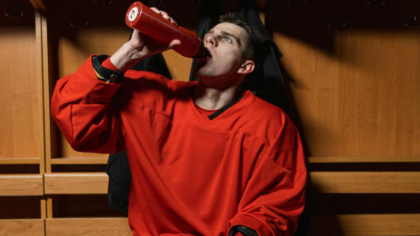
The contact itself and the high velocity impacts cause a ton of muscle damage plus joint inflammation. Elite players treat recovery like work, not a lazy break.
To handle fluid loss, players weigh in right before and right after they step onto the ice. For each single pound of body weight lost due to sweat during the game, sports scientists direct them to drink 20 to 24 fluid ounces of a sodium-rich recovery drink. The idea is restoring cell hydration in a way that doesn’t overwhelm the stomach or mess up digestion.
Post-game routines also often include more intense recovery angles like- cryotherapy chambers, contrast ice baths, hyperbaric oxygen therapy and structural sports massages, and the goal is to push out metabolic waste and bring the body back toward baseline, as efficiently as possible.
Psychological Focus and Ritual Pre-Game Routines
Playing at the top level also means you’ve got to nail your psychology. Modern hockey is fast, and if your stress is high, or your mind feels scattered, it tends to show up immediately in how you skate and react.
Elite athletes use structured multi-step pre-game routines that basically act like mental triggers and superstars split the time before puck drop into isolated blocks for meditation, visualization, and mindful breathing and they visualize exact game scenes and manage their self-talk well before the puck drops, so they can dial in the nervous system.
That consistent mental checklist helps them step onto the ice already locked in, moving through the game in an automatic flow without having to force focus every shift.
About the Author