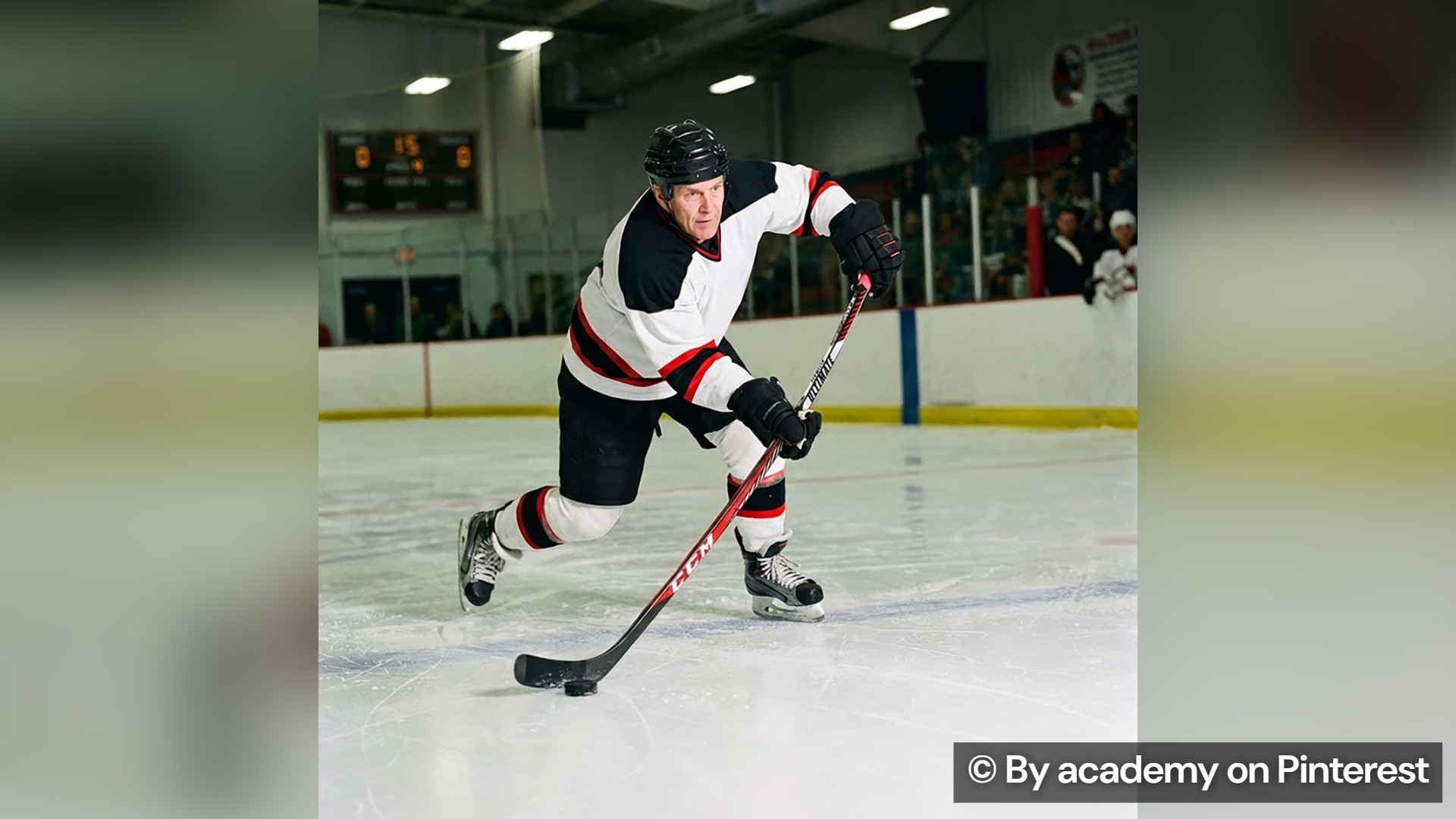
All NHL players have to do is master the basics: skating, puck control, and making effective decisions under pressure. While the road from youth hockey to the NHL can be long and winding, it’s one that can be ignited by building a foundation through development, rather than looking for results.
Skating and puck skills are the key qualities to consistently develop. As the level of competition increases these skills are also more useful: speed, balance, edge control, stickhandling, passing and shooting. The Hockey Canada model of LTPD focuses on age appropriate skill development and outlines the eligibility criteria which indicate players should be developed through various physical, technical, mental and tactical stages and not via a universal lens.
Young players should learn the game, and not just be able to play the drills. Small area games, repetition and specific situations with the puck helping to make decisions may be utilized to help players understand positioning, available passing options, and reacting to possession changes. The Ontario Hockey Federation also places great importance on practice as an educational environment where they become skilled in performing the various skills in a game-like context.
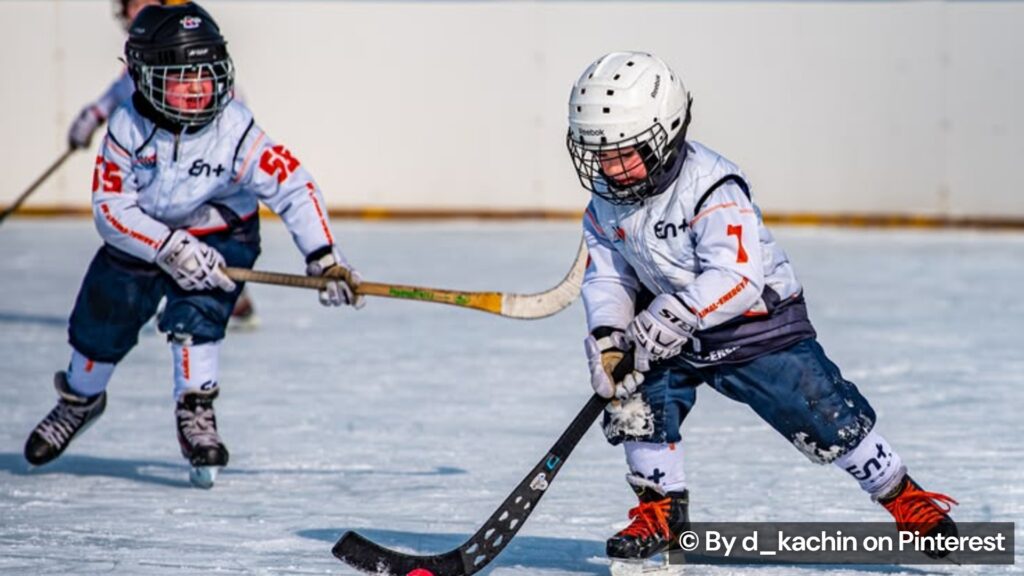
The other is physical development but must be related to the player’s growth and age. Gradually support performance through strength, speed, coordination, mobility and recovery and appropriate nutrition. USA Hockey advocates a more comprehensive approach to athletics for young players: a multi-sport / multi-activity youth schedule that does not focus too heavily 12 months out of the year on hockey.
Similarly, mental development can be just as paramount. NHL prospects have to deal with error, competition, coaches and press while continually developing themselves. It’s also seen in the current NHL development programs that prospects focus on skating, puck skills, decision making and enhancement of becoming more complete players.
The most important thing is young players should have patience. Some grow up quick and others might significantly improve their style later. The objective is to improve through the game and to enjoy and develop skills which may last! Quality coaching, purposeful practice, athletic development and the proper mental state are the best ingredients a young hockey player can mix to give himself the greatest chance at eventually making it to the NHL.
About the Author