Image credit : @tsn_official ,@espn via instagram
As the 2026 Stanley Cup Playoffs start getting to that boiling point where everything sounds louder and feels a little too personal, the heaviest workload suddenly lands on the bench bosses. Roster building, tactical clashes, and all that psychological grind, aren’t some slow plan anymore they’re fast, high-velocity calls you have to make in real time while the whole world stares nonstop.
Now that the postseason slides deeper into the final, high-stakes section of the conference championship layer, the coaches who are still fighting are working with these razor-thin buffers. The very next choice they make could decide whether somebody actually gets to lift the Stanley Cup, or if it turns into offseason heartbreak, in the same breath, with zero cushioning.
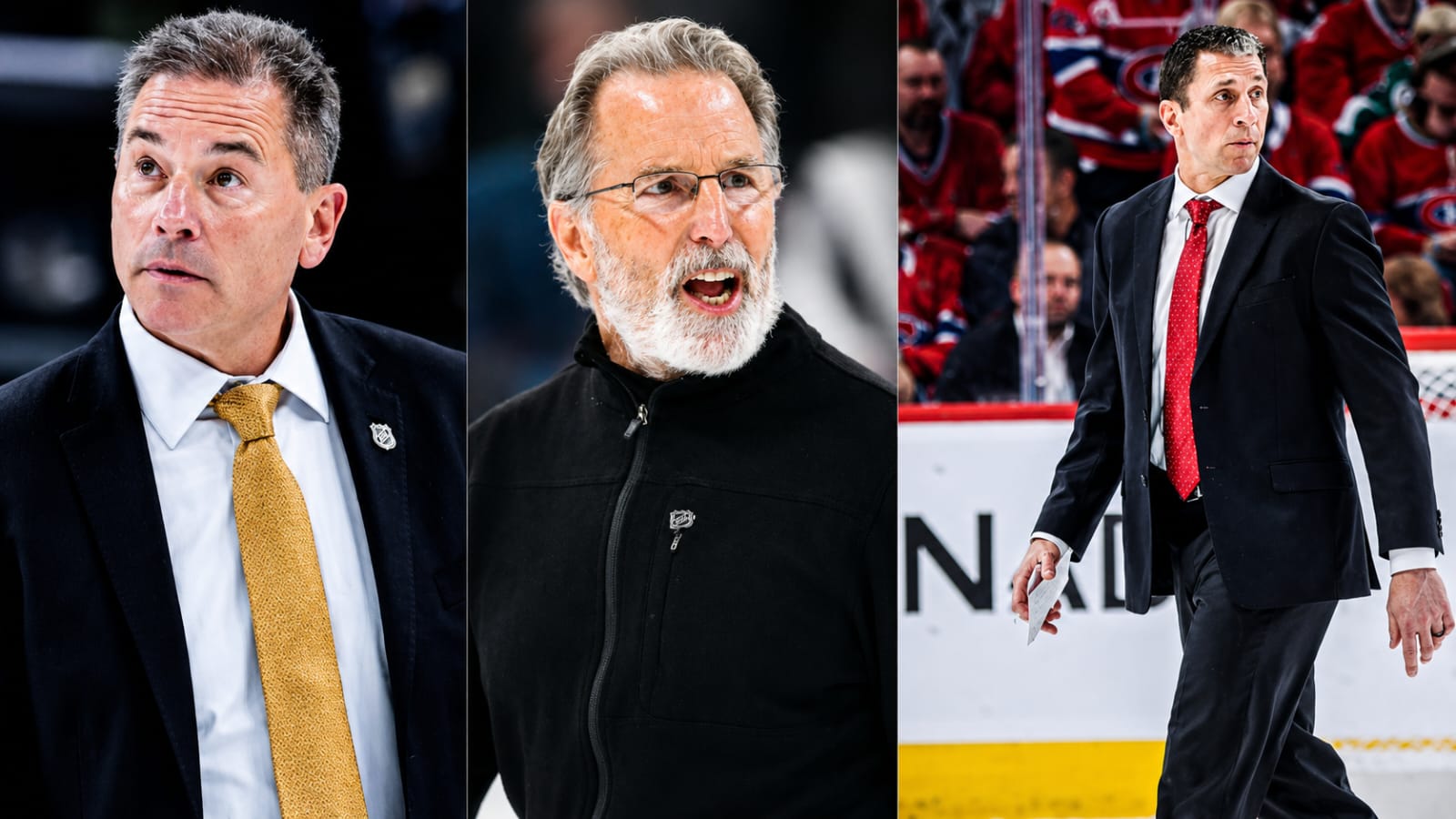
Bruce Cassidy (Previously Vegas Golden Knights)
Bruce Cassidy is standing on the edge of sports history after steering the Golden Knights into yet another punishing postseason run and his system has gone and reshaped the roster’s defensive identity, and it’s also reinforced the disciplined framework that has kept Vegas right up there among the NHL’s hardest playoff opponents. Still, his biggest tactical headache isn’t just one thing, it’s mostly how to manage physical wear after another relentless month, without letting the team’s defensive sharpness drift.
Cassidy’s main dilemma is line matching plus special-teams momentum and since Vegas keeps leaning into structured defensive-zone coverage and balanced scoring depth, the staff has to nail down how much they can trust the veteran defensive core early in the most critical games balancing that shutdown credibility with the metabolic fatigue that stacks up across a long playoff grind.
Rod Brind’Amour (Carolina Hurricanes)
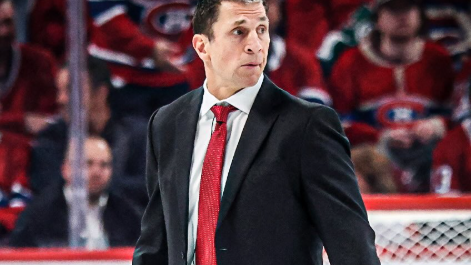
Rod Brind’Amour has again shoved the Hurricanes right into the center of the- Stanley Cup conversation and Carolina keeps functioning like a puck-driven forechecking machine, using heavy pressure and defensive rotations that stay disciplined, so opponents get worn down over long stretches instead of just surviving for a period or two.
The next hard call for him is really about juggling line deployment so players stay durable as the intensity climbs deeper into the postseason. His top-line drivers, including Sebastian Aho, keep producing at a high level, but Carolina’s depth lines have also set the physical temperature for how this playoff plays out and the question becomes whether Brind’Amour should keep minutes spread fairly across all four lines, or whether he leans more on the veteran core when the highest-leverage minutes show up.
John Tortorella (Vegas Golden Knights)
On the opposing bench- John Tortorella has successfully remodeled the Golden Knights into a disciplined, counter punching powerhouse that just dispatched the star-studded Colorado Avalanche in five games and Vegas’s identity is built on structural rigidness, a brick-wall defensive zone and elite timely transition offense.
Tortorella’s heaviest tactical challenge for Game 1 is handling the metabolic fatigue of a grueling path out of the West without losing defensive sharpness and going up against Carolina’s relentless, high-velocity transition game means Tortorella must meticulously manage his blue-line deployment. His biggest decision tonight revolves around special teams momentum and line-matching: how aggressively will he deploy shutdown veteran pairings early in shifts to neutralize Carolina’s cycle, and how heavily will he lean on netminder Carter Hart to weather the initial storm while his skaters find their defensive legs on foreign ice?
About the Author