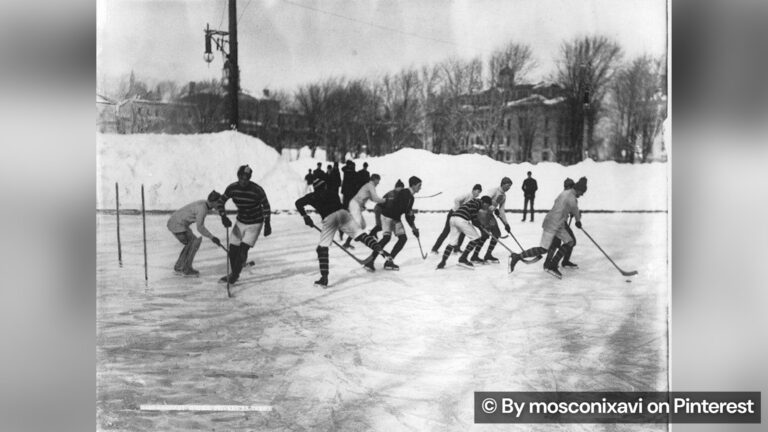

Image credit : @adammuslusky via instagram
For decades, expansion in professional hockey followed this super predictable, painfully slow blueprint. New franchises were usually rolled out as talent hungry lineups made from premium priced depth scraps, basically set up to spend those early seasons stuck at the very bottom in the league matrix. But the modern sports science era and some really radical changes to how expansion drafts work have flipped the whole story upside down.
Now, newly minted organizations are walking into the league not as quiet little basement dwellers, but as immediate, hyper aggressive disruptors. From rapid multi-million dollar expansion drafts to tense, high risk territorial relocations, these new clubs are actually rewriting the competitive geometry of the sport, almost on purpose.
When you look at this bigger tectonic change, you can see how newer ownership groups use advanced structural blank slates to completely overwhelm veteran powerhouses. And it’s not subtle.
Weaponizing the Blank Slate and Salary Cap Geometry
The main competitive edge for modern expansion franchises is this absolute luxury of structural flexibility. Older organizations often feel locked in by restrictive long term contracts, and an aging core that can’t be moved easily. Meanwhile a brand new franchise enters with zero financial baggage. That clean salary cap setup gives general managers a real weapon: they can use open space like a high value clearinghouse for top tier assets.
During the first draft matrix, these teams aren’t only “picking” players. They also squeeze out draft capital and premium prospects from established clubs that are desperate to keep their rosters intact. If you keep an aggressive, hyper flexible asset sheet, a modern expansion club can pivot quickly, sometimes literally going from the initial draft straight into blockbuster trades for elite superstars. With a payroll spreadsheet that’s spotless, the competitive timeline speeds up fast, and suddenly the franchise becomes a high danger landing spot for top free agents, especially guys who want out of traditional organizational bottlenecks.
Shattering the Traditional Roster Baseline

Historically, the “baseline” for new teams was doomed to get shattered in the wrong way and that changed hard with the explosive arrivals of the Vegas Golden Knights and the Seattle Kraken. Vegas rewrote the sports script by marching straight to the Stanley Cup Final in their first season, proving that a carefully engineered group of motivated depth pieces can immediately overpower lineups built around stars. Seattle later copied the disruptive formula too, using deep structural tracking and a punishing four line physical press to become a legitimate playoff threat during their early seasons.
That systemic success is a direct result of expansion rules that ensure new teams can acquire top four defensemen and believable middle six scoring help. Because they can stack a whole lineup of established, motivated NHL veterans playing with this intense chip on the shoulder energy, new franchises skip the grim, multi year rebuild grind. They step on the ice with mechanical depth at a high level, and it forces the rest of the league to adjust to a high tempo, low event style, where depth lines can’t be treated like automatic weak spots anymore.
The Immediate Impact of Territorial Relocation Matrix
These competitive shifts aren’t limited to the expansion draft alone. They’re also powered by high stakes territorial relocations that breathe life into rosters that used to feel dormant. A clear example is the recent arrival of Utah Hockey Club, a franchise created by absorbing the entire young asset pool from the former Arizona Coyotes. Once transplanted into a lively, resource heavy market at Salt Lake City’s Delta Center, that roster quickly dropped many of its earlier operational limitations and started pushing toward a more competitive future.
With off ice instability and arena bottlenecks no longer haunting them, Utah’s young core built around elite talent like Clayton Keller and Logan Cooley saw a visible rise in confidence and organizational stability. Supported by ownership willing to spend aggressively against the upper end of the salary cap, the franchise shifted from “developmental project” toward becoming a serious long-term Central Division threat. This quick migration of young, high velocity talent changes the playoff math for veteran Western Conference powerhouses, and it proves a franchise’s geographical baseline can be adjusted, then suddenly a sleeping competitive giant wakes up fast.
About the Author