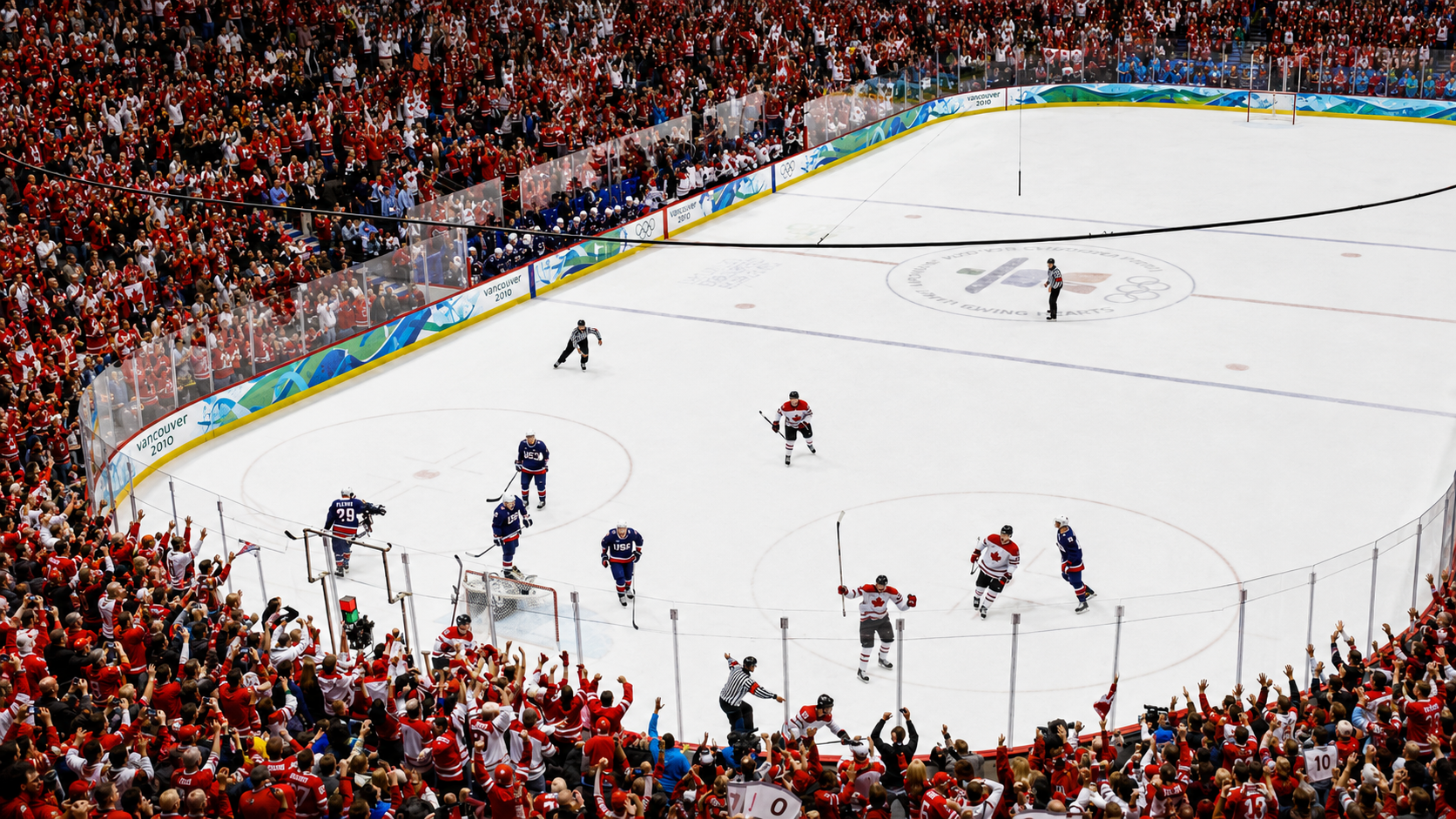
Image credit : @playerstribune via instagram
The 2026 Stanley Cup Playoffs kicked up this week like a pressure cooker, and the Eastern Conference matchups seemed to go from “interesting” to straight up physical toughness and high-stakes drama fast. Each remaining series started tightening, getting louder, and more emotionally charged as the postseason moved toward the final rounds and across the league, overtime finishes, grindy defensive stretches, and momentum swings made this week feel like one of the most intense runs of the season.
Then if you zoom in on the tactical chess-match angle, you can notice how tiny mechanical tweaks changed the routes of everything and from snug low-zone containment to transition bursts that decided possession, the week didn’t just stand out. It felt like the toughest hockey anyone saw all postseason, like every team agreed to turn up the pressure.
Coaching Adjustments And In-Game Tactical Resets
As the playoff pressure climbed, coaches across the league were forced into endless structural resets and teams that had been leaning on open-ice transition attacks earlier in the postseason suddenly had to live with tighter neutral-zone pressure and more aggressive defensive tracking.
That change pushed offenses into lower-event dump-and-chase patterns where puck retrieval and board battles mattered more than raw speed through the middle. Some clubs countered by leaning into high-to-low cycling setups, trying to generate offense through sustained time in the zone, rather than trying to force clean rushes repeatedly. The hockey got heavier from there, like every possession came with friction. Even routine exits started feeling like a physical problem, with relentless forecheck pressure turning normal plays into something harder.
The Front-Of-Net Battles And Elite Goaltending Under Pressure
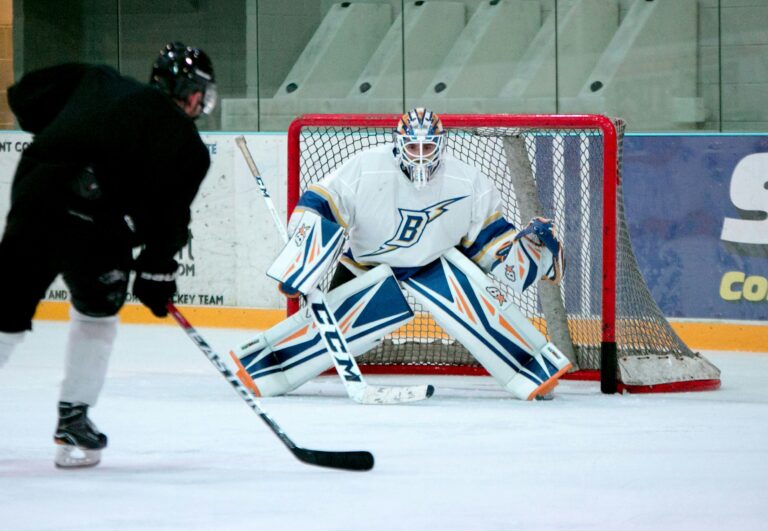
Once games went deeper into regulation and overtime, the physical wear stopped being theoretical. The crease areas became collision zones, with defensemen scrapping to clear screens and forwards fighting for rebounds and loose pucks in traffic. So, goaltenders were under major demands and in multiple playoff games this week, netminders were asked to make sharp lateral movements, read through layered bodies and still keep- sightlines clean on point shots and deflections.
A few games were defined by elite goaltending stretches during power plays and late-game momentum swings and rebound control, clean pad placement and disciplined angle management kept teams alive when defensive structures began to fold under fatigue.
The Overtime Pressure And Sudden-Death Execution
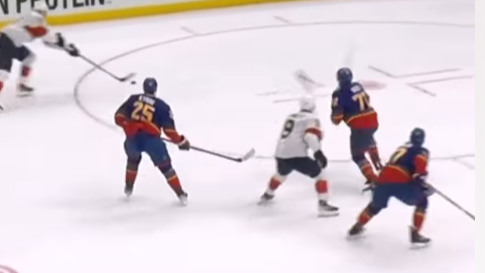
Overtime kept serving up the defining moments. Once games crossed into sudden-death territory, any defensive slip turned into immediate consequences, and teams got stricter about puck management through the neutral zone. So you get this odd mix: patience versus urgency. Clubs tried to avoid sloppy, high-risk turnovers, but they still wanted quick transition chances whenever defensive spacing opened even briefly.
The decisive goals usually didn’t come from chaotic highlight-reel sequences. Instead, they came from small execution details: a neat breakout pass off the glass, a perfectly timed neutral-zone touch, or a screened wrist shot through traffic. Those tiny moments were enough to end entire playoff nights in a single sequence.
That sudden-death intensity really showed how one properly executed play can collapse an opponent’s carefully built defensive structure, even after sixty-plus minutes of disciplined playoff hockey.
About the Author