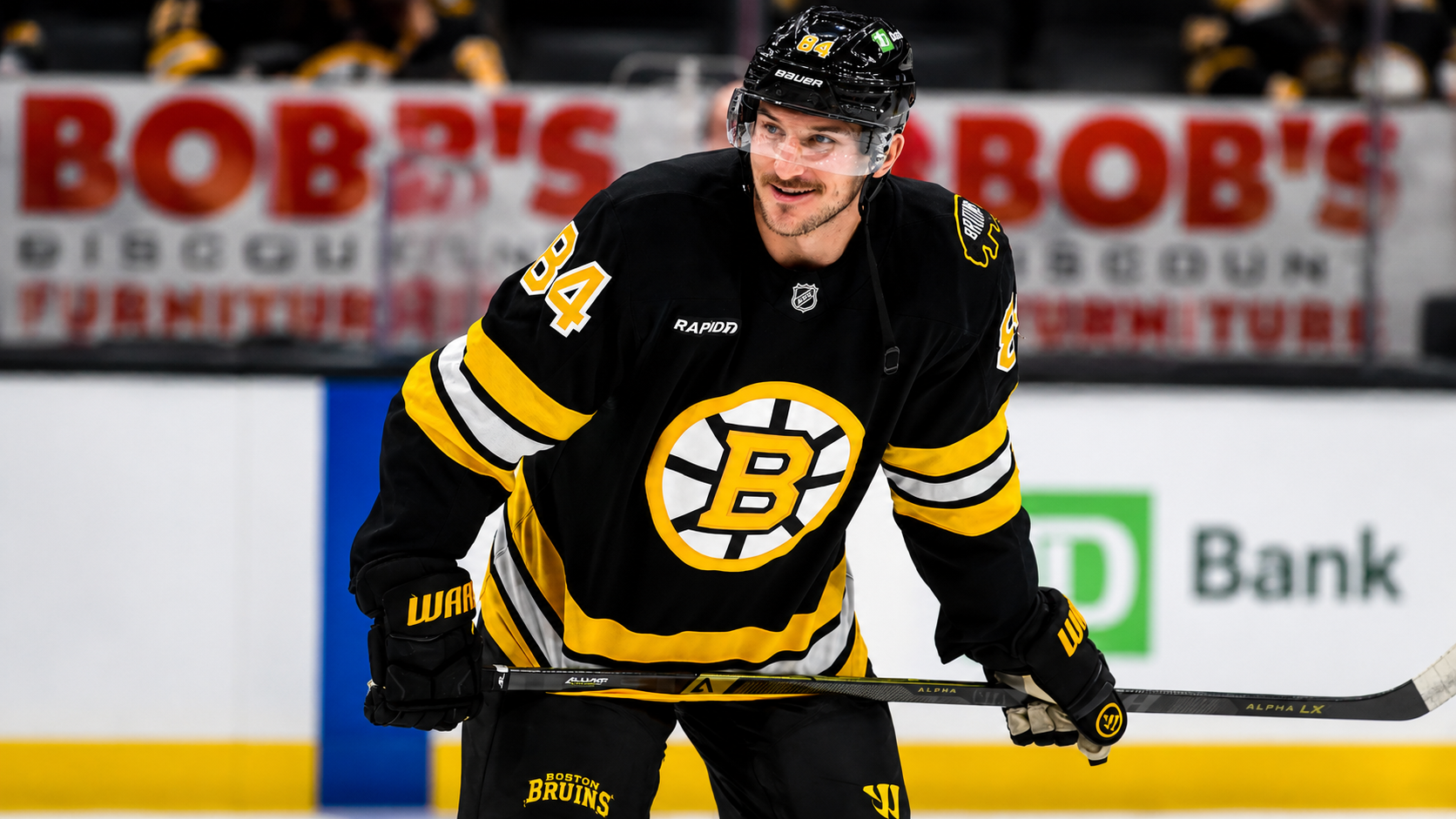
Image credit : @NHLBruins via facebook
For decades, the fourth line in pro hockey ran on this super restrictive, low-skill structural deal. They were the “enforcers” and the “grinders” heavy physical commodities, sent out for fewer than eight minutes a night, dumping the puck deep then trying to drop punishing hits to squeeze emotion into the game. They were placeholder bodies, built to hang around just long enough so the elite scoring guys could grab a little oxygen on the bench.
But if you look at how the modern game actually moves, that old blueprint has basically vanished. With defensive systems getting suffocating and speed stretching across every inch, the fourth line today has been rebuilt completely. Now hockey’s quiet main characters have turned what used to be a grind into a specialized, tactically essential layer inside a team’s championship plan.
The Shift to High-Tempo Neutral Zone Tracking
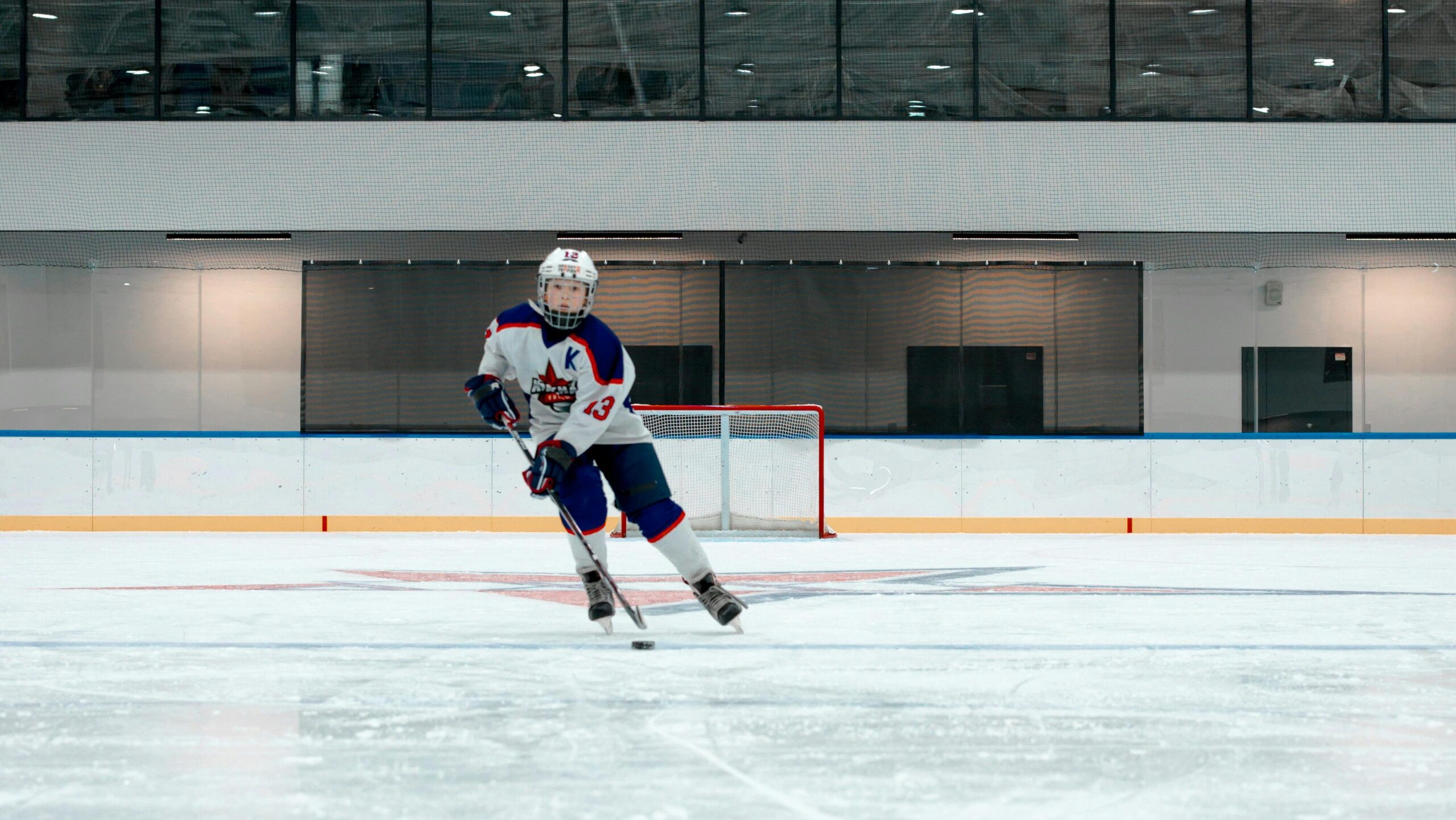
The main reason for the role change is that coaches now obsess over full-roster continuity. They don’t really treat bottom-three forwards like a thing to hide, especially during high-leverage moments. Instead they want seamless defense identity through the full sixty minutes. The modern fourth-liner has to have real skating ability and quick processing, so they can run an aggressive, four-line forecheck that blocks opponents from cleanly exiting their own zone.
It’s not just aimless body-thumping for intimidation, either. Instead, these depth players hunt specific approach angles, and they track the puck with that stick-on-puck attention to mess with horizontal passing lanes. They often keep the overall game “simple” in a sharp way, pinning people deep along the wall, bleeding time, and forcing turnovers in the neutral area. When they create those high-danger mistakes before the other team’s stars even settle in, they tilt the ice, then everyone notices when the offense lines finally come back.
The Expansion of Secondary, Opportunistic Offense
Also, the salary-cap reality means front offices want production and usefulness from all twenty spots. So the one-dimensional enforcer who does nothing with the puck is increasingly not acceptable anymore. Modern fourth lines are expected to provide real secondary scoring support, insulating the team when the top scorers aren’t firing.
So what changed is the conversion. These guys are supposed to turn the chaos from their physical pressure, greasy rebounds, net-front scrambles, and heavy point shots into opportunistic goals, not just damage. This shift shows up clearly in the Boston Bruins’ bottom-six. Guys like Mark Kastelic and Tanner Jeannot kept that relentless physical presence, putting up more than 450 hits together, but they didn’t stop there. They also improved puck management and offensive timing, with Kastelic posting a career-high 22 points and when a bottom-six can contribute offensively while staying responsible defensively, it could have swung a series. It relieves pressure on the top-six and forces the other coach to abandon or rewire the matchup plan.
The Mastery of High-Leverage Specialized Scenarios
Even when it’s not even-strength, the modern fourth-liner’s job gets deeper. In the last minutes of games, or during a huge penalty kill, coaches often skip the multi-million-dollar guns and lean on the trusted depth anchors. Those “unsung” players have to be locked in on technical details: shot-blocking geometry, clearing the wall under punishment, and defensive-zone faceoffs done with discipline and speed.
That specialty takes an insane level of brain focus and selflessness. Putting your body in the way of a 100 mph slap shot, or wrestling along the boards for a loose puck, takes physical bravery and positional restraint; when they shine in these low-glamour, high-stakes sequences, fourth-line players protect slim leads and mess with opposing power plays. They act like the insurance policy that keeps the whole elite system from breaking when pressure finally peaks.
About the Author