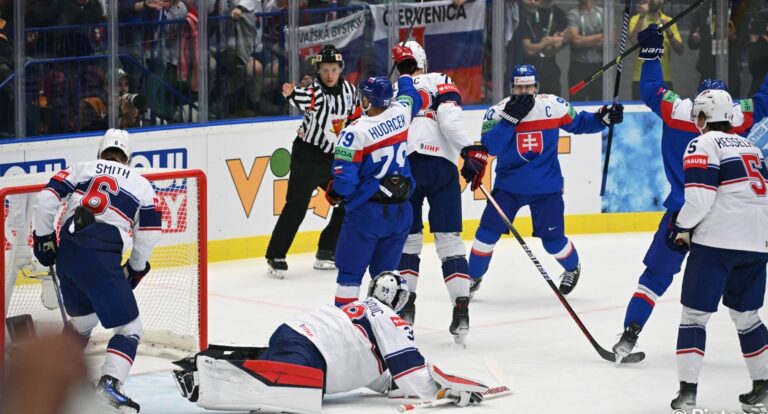
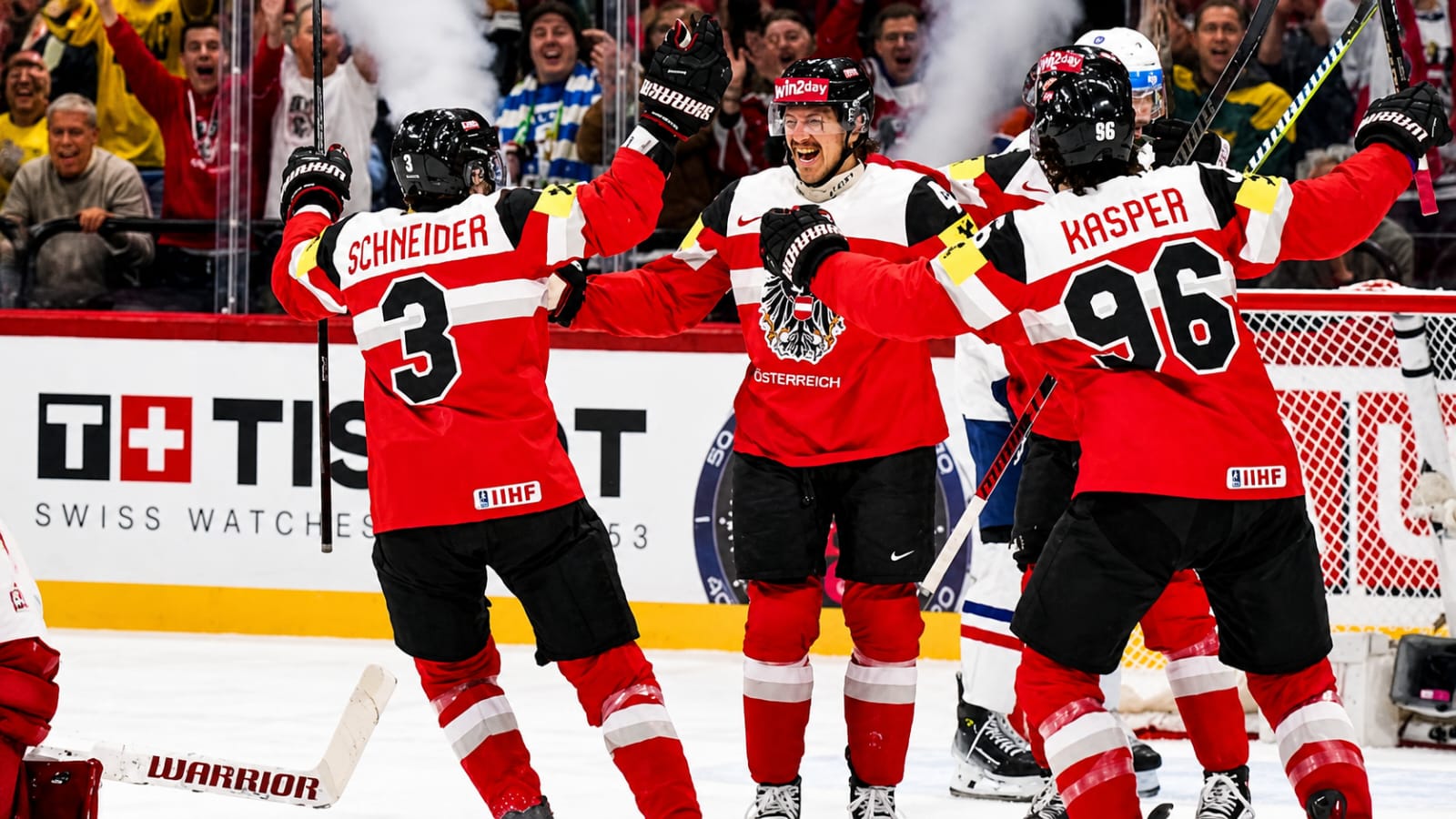
Image credit : @iihfmen via facebook
The global hierarchy of international ice hockey, long mainly run by the isolated “Big Six” superpowers, is seeing some structural breakage. For years, the money walls to get in ice time, gear expenses, and local coaching growth kept top competitive status stuck in North America and a few parts of Northern and Eastern Europe.
The trends coming out of recent IIHF World Championship cycles are showing that the distance between the old powerhouses and the second-tier nations is shrinking and not in a slow way. Through a mix of infrastructure funding, smart coaching swaps, and the way junior pipelines got globalized, hockey countries that used to be treated like tournament afterthoughts are now turning into real tactical threats, fast.
Infrastructure Pivot: decentralization and high performance hubs
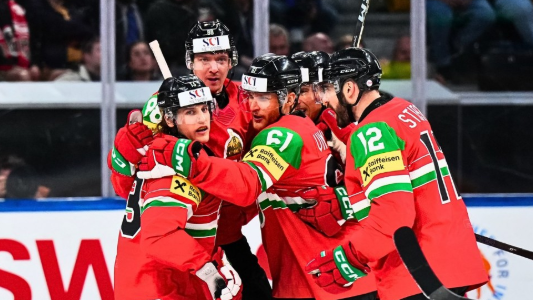
The big push behind the climb of smaller hockey nations is the expansion of nearby training infrastructure, not just one-off camps. In the past, countries like Austria, Hungary, and Great Britain ran into this serious lack of year-round ice, and the type that actually fits regulation. That shortage basically limited player pools and also put a ceiling on what domestic leagues could realistically develop.
With targeted support from the International Ice Hockey Federation (IIHF) along with- private municipal partnerships, rising federations have leaned into high-performance hubs over the last decade. The payoff from these investments has started showing up more consistently in international competition.
Strong tournament performances from nations like Austria, Hungary and Slovenia point to a deeper talent base than people assumed. With reliable year-round facility access, local clubs can set up youth academies that resemble the structural setup you see in Sweden or Finland, so the skaters get baseline edge work and spatial timing before age fourteen, instead of “catching up” later.
The Coaching Export and structural assimilation
Infrastructure on its own is empty unless the hockey brain improves too. To close the tactical gap, smaller federations have gone hard on recruiting development coaches from Canada, the United States, and Scandinavia, basically to run national programs with sharper systems. And it’s not limited to just the senior team bench, these imported directors have been reshaping full development routes, all the way down from the grassroots level.
What comes out of that, tactically, is a move away from passive, low-event defensive shapes toward aggressive five-man pressure styles. At recent World Championship tournaments, you don’t really see an automatic “trap” zone defense meant only to avoid getting blown out. Instead, teams like Norway and Austria are leaning on high-tempo forechecks and more complex east-west transition sequences. They also work players through tight-area puck control and updated post-integration goaltending mechanics, and the result is that even strong opponents get dragged into unforced turnovers. In other words, the programs aren’t trying to beat pure skill head-on, they’re neutralizing it with structural discipline.
The Globalization of the Junior Pipeline
If there’s one driver that feels even more durable, it’s the systematic movement of top young prospects away from under-developed domestic leagues and into top junior tracks abroad. Teens from places like Great Britain, Italy, and Hungary are increasingly moving into development systems in Sweden, the Canadian Hockey League (CHL), or the United States Hockey League (USHL).
This pipeline puts developing athletes in front of elite pace, strength-conditioning that’s on a different level, and nightly games with high-danger chances during their most important growth windows. When those players come back to represent their home countries in international cycles, they carry an institutional feel for professional standards.
National teams are now being supported by skaters who can process the game fast enough to survive under intense, NHL-style pressure. That flips what used to be a broad gap in international play into something way more unstable, almost like a volatile, night-to-night strategic chess match.
About the Author