Image credit : @hockeyfeed via facebook
Late May is the biggest, most high-stakes turning point on the global hockey calendar. Be it grinding through the localized exhaustion of the NHL Conference Finals or trying to survive that condensed, rapid-fire IIHF World Championship schedule in Switzerland, elite rosters are pushed to their absolute physical limit. To make it through those situations you need this awkward, hard-to-imitate mix of tactical adaptability, roster depth, and plain old composure when everything feels like it’s on fire.
When the pressure finally hits its highest gear, team structures either lock in and hold steady, or they quietly fall apart. Looking at the newest developments across those parallel major tournaments, said to be backed by verified official interview statements, shows how top squads are trying to adapt so they can endure the last seasonal hurdles.
The Backs-to-the-Wall Desperation of the NHL Conference Finals
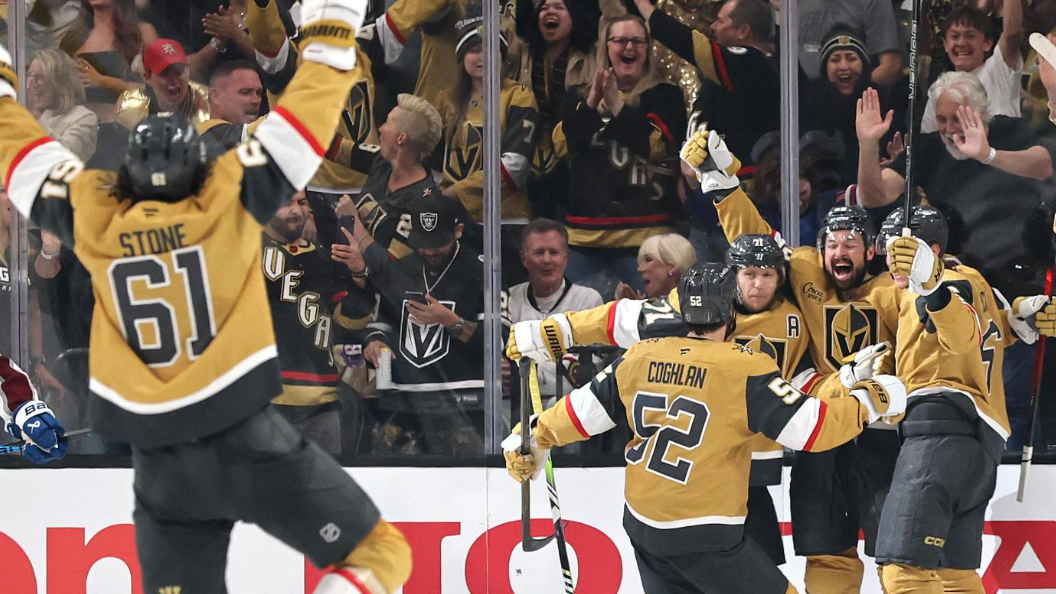
In North America, the fight for the Stanley Cup has narrowed into this high-wire act where one small slip can wipe out an entire year of build-up. In the Western Conference Final, the top-seeded Colorado Avalanche are up against a stern test of mental toughness, and they’re trailing the Vegas Golden Knights heavily after dropping early games. Head coach Jared Bednar didn’t soften anything when talking about the team identity problem right on the edge of elimination, and in a recent postgame-type moment he said his group was simply being “outplayed.”
Meanwhile, the Eastern Conference Final has turned into a straight-up war of attrition between the Carolina Hurricanes and the Montreal Canadiens. Rod Brind’Amour the Hurricanes head coach- talked about the mental drain of living through deep playoff runs. He noted that past heartbreak keeps showing up; it affects how things get executed now, saying:
“I don’t think you ever really get over it. It fuels you. At the same time, you have to ask things like, ‘What were the reasons we didn’t get it done? Why are we not getting to that next level?’… The bottom line: It’s really hard in this league.”
The Blitzkrieg-Like Structure of the IIHF World Championship Sprint
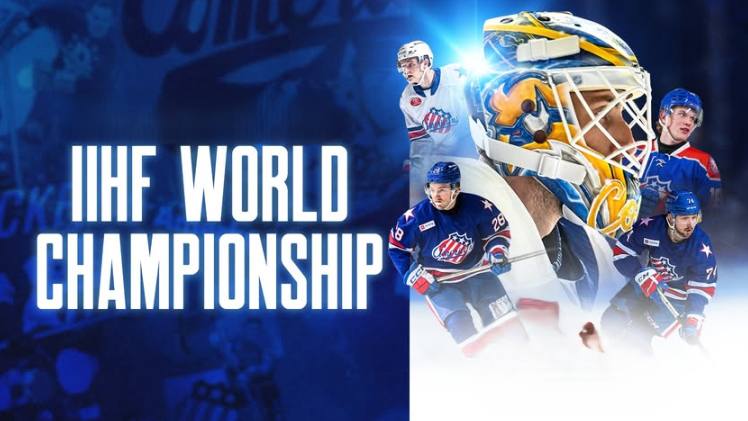
While NHL teams fight each other in more contained, localized series, sixteen national squads are handling a points-heavy grind during the 2026 IIHF World Championship in Zurich and Fribourg, Switzerland. Compared with the slow tactical build that usually comes with a best-of-seven NHL series, the World Championship is more like a tournament sprint and that means roster optimization has to happen almost immediately, because powerhouse nations like Canada are juggling a condensed preliminary layout, plus star-loaded arrivals such as veteran defenseman Morgan Rielly and young standout Macklin Celebrini.
The sheer strain of tournament prep, plus the need for tactical secrecy, recently overflowed for Team Slovakia and after a heated match against Czechia, the Slovak national team made a bold move, banning television cameras from their locker room for the rest of the tournament. The call reportedly came after a live broadcaster aired sensitive pre-game tactical footage. The Slovak coaching staff and team management pushed back hard about the breach, arguing that media access is supposed to capture the atmosphere and hype, not lay out structural game plans to other countries right before puck-drop.
Internal Competition and Overcoming Roster Fatigue
The main theme tying the NHL playoffs and international tournaments together is the nonstop management of physical wear-and-tear, along with the reality of roster depth. By late May, players have often stacked up over eight months of high-velocity collisions, meaning the next stretch can only be handled with sharp, dependable output from depth roles and extra bodies.
On how a crowded roster deals with the creeping anxiety of single-elimination stakes and heavy tournament pressure, forward Jack Studnicka opened up about what the psychological environment looks like inside a team heading into high-leverage hockey, saying:
“Everyone has trended toward that. Having some extra bodies, there’s some internal competition and no one wants to lose their job. It’s been fun to be in a group of almost 30 guys competing.”
At the end of the day, as the tournament window closes, the teams that move forward won’t be the ones pretending they can coast on a perfect script. It’ll be the clubs whose internal depth can actually stand up to the grinding realities from the trenches, game after game.”
About the Author